
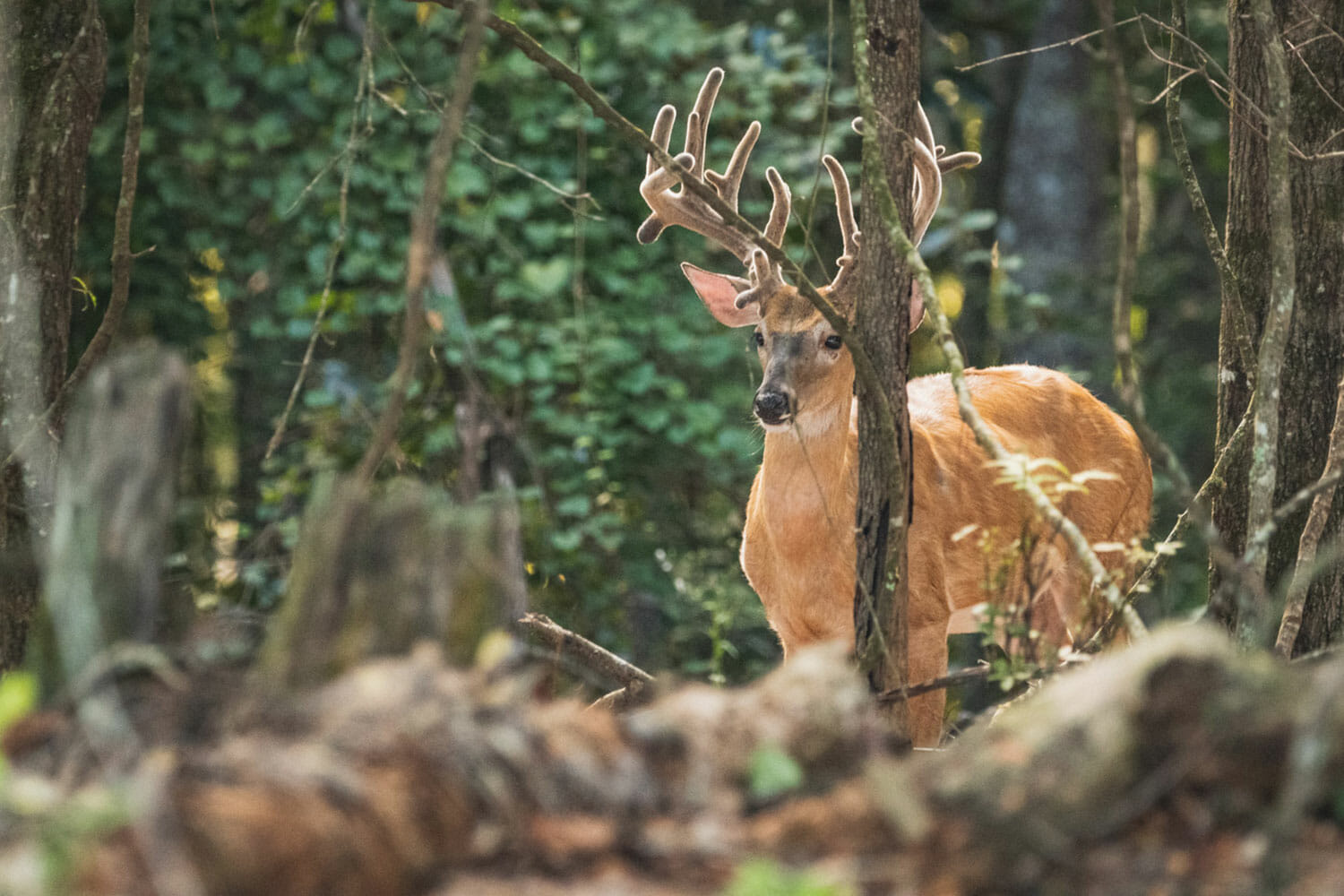
It has been said that the more you understand about high-fence properties, the more you respect the endeavor. These legacy-grade parcels, enclosed with 8 – 10-foot high commercial-grade fencing, are more than just the ideal environment for raising trophy white-tailed deer and coveted exotic breeds like the nilgai or black buck antelope, axis deer and oryx. Owners and advocates of high-fence properties will tell you the benefits extend way beyond trophy specimens.
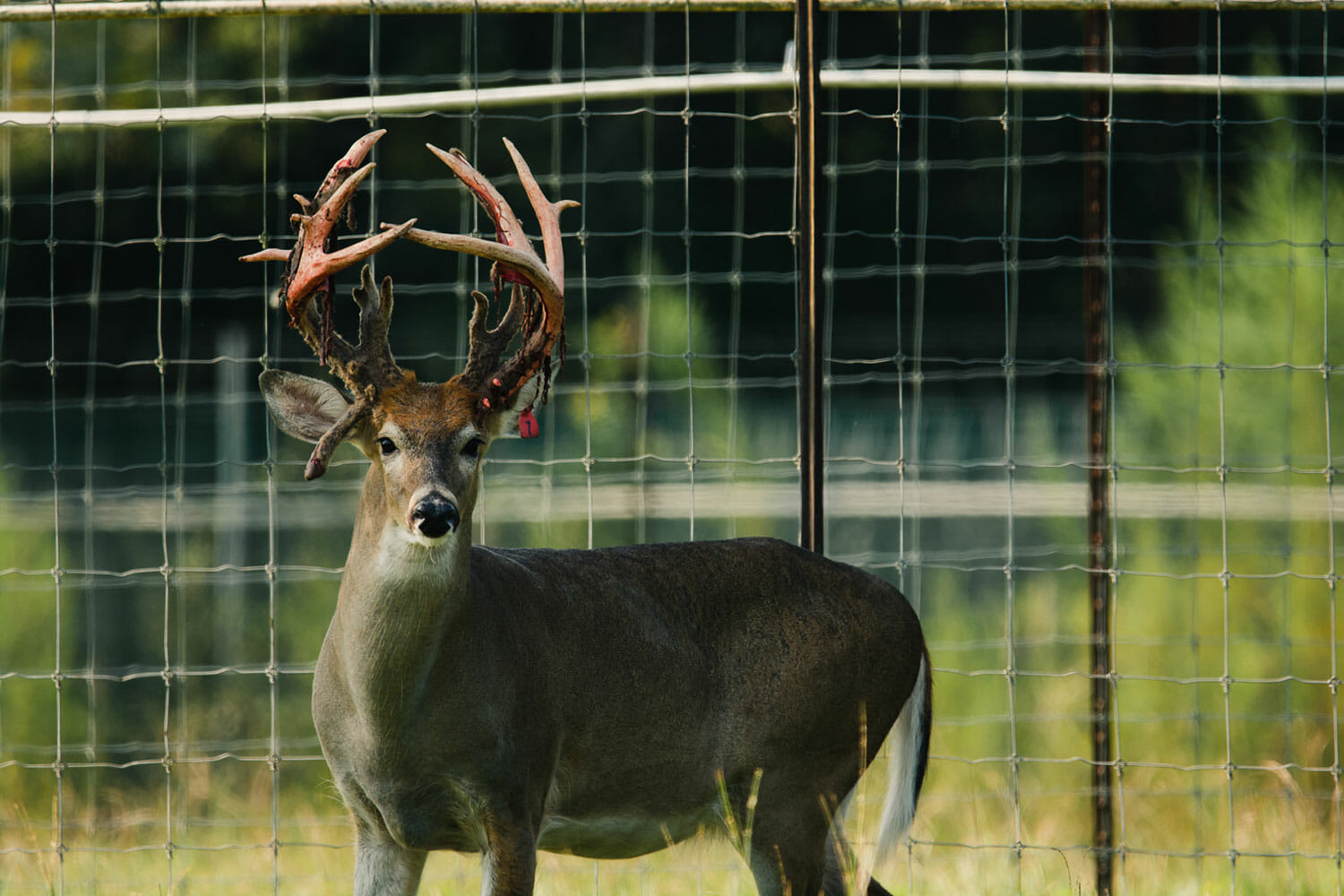 Dwight Knight, president of the Florida Deer Association, has one of the largest high fence operations in Florida, at 14,000-acres. He says that people unfamiliar with the benefits of a high-fence property are often surprised that a parcel of this size is completely high-fenced. “They think a high-fence place is just a 100-acre box. Let me tell you something: this ain’t no box.” There is the misconception that high-fence properties are small, and limited in what they can become. Knight’s property, near the Suwannee River, proves otherwise.
Aside from trophy-sized white-tailed deer, Knight says, “In this controlled environment, I can raise timber, cattle, quail, ducks and exotics. I can control the coyotes and hogs which will destroy a place.” Beyond the ability to control what grows within the high-fence, Knight says he enjoys knowing that he has privacy and safety on his property: “My kids can go running around there and I don’t worry about any trespassers. You don’t have to worry about who or what, is coming or going.”
The content and caliber of everything that grows within the high-fence property is placed at a premium by owners, who often engage the services of individuals with specific high-fence property knowledge, like Kaleb Ellis of Bear Creek Mine. Ellis has been in the high-fence management business for more than fifteen years, spending time on properties from the Florida panhandle to Texas, learning what it takes to create the ideal environment and ecosystem. “I sometimes have to caution owners who are new to high-fence, that the growth (of species) has to be slow and measured.” He smiles as he adds, “these are not usually folks who like to hear the term ‘slow growth’. But I have seen what can happen to a high-fence property when you grow the herds too fast.”
Without the constant ebb and flow of predators – both in terms of other animals and from disease – herds of white-tailed and axis deer, elk and more can burgeon rapidly. Ellis notes, “You have anticipate the growth and how you are going to manage it.” Owners must be prepared for the measured culling that proper management requires. But once understood, the results are indeed stunning.
Stunning, as in the epic size and impeccable condition of what can be hunted on these high-fence properties.
“This is a little slice of heaven – everything thrives here inside the high fence.” – Dwight Knight, President Florida Deer Association and owner of Knight Farms.
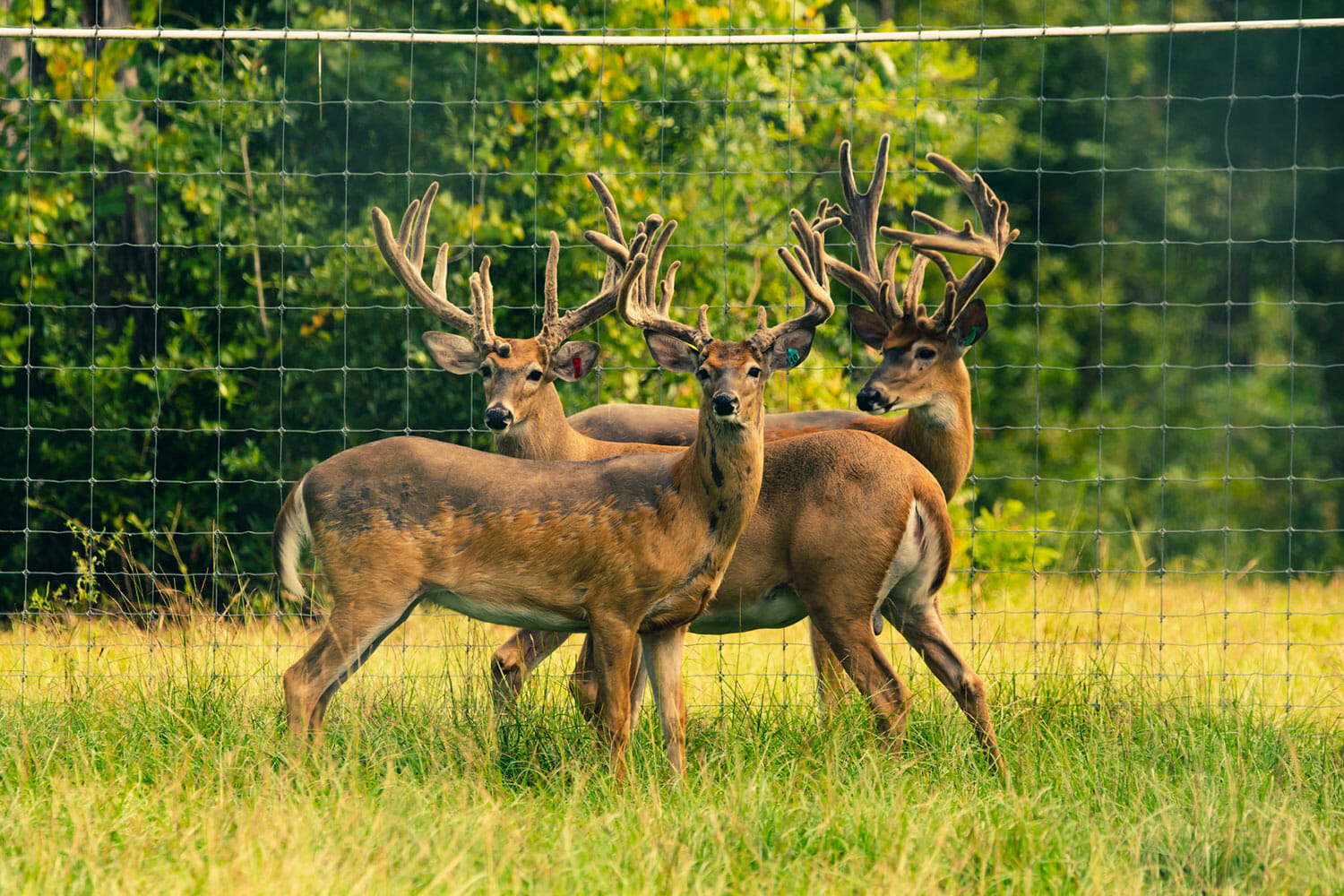 Ellis shares, “The largest whitetail taken in Florida was something like 167 inches and it was probably six or seven years old. In the high-fence, I can grow a deer close to that size, in a year.” It is not uncommon to raise healthy bucks at 135 – 150 inches, and in less time than in the wild. Herds in the high-fence are routinely wormed and vaccinated to ensure they do not succumb to the natural perils of the more wild environment. He goes on to add, “As the owner, you are in control of the genetics of your herd.” This is something Knight has experienced firsthand as well, on his Knight Ranch: “Worming the deer the way we do means we harvest them free of lice and ticks – they are just healthier – no Lyme disease.” He goes to list the other benefits: “Worming them means the does have more fawns. Worming them means the bucks put more inches on their heads. It all comes down to controlled management and it is a total win-win.”
Of course, it almost goes without saying that one of the greatest benefits of owning a high-fence property is that everything within that fence line is yours. Ellis says, “Here you don’t have to worry about your neighbor taking out what you have invested in. He may be happy shooting four-points but you’re managing for a trophy buck. On a high-fence property, what’s yours is yours.” Knight agrees. And to the high-fence nay-sayers, he just says, “When I meet someone who doesn’t understand what makes the high-fence so great, I just tell ‘em that seeing is believing. Once they see a place like this, they are going to want it for themselves.”