
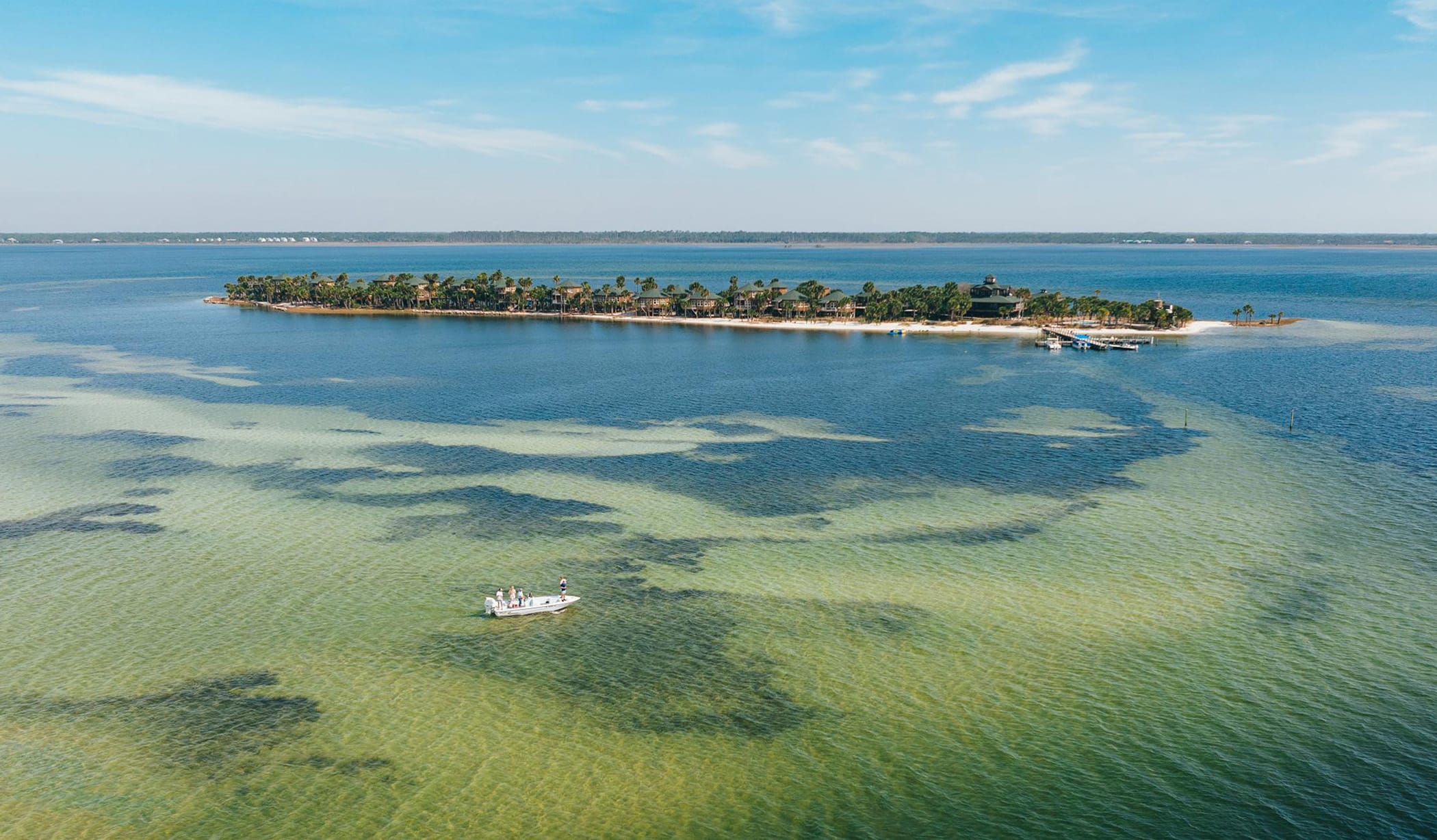
If you haven’t been to Port St Joe, Mexico Beach or even Apalachicola recently, you’re going to be surprised to learn what’s going on there, how it happened and why. Did you know there are now 20 restaurants in Port St Joe! How about a new $25M boutique hotel or the newly expanded Gibson Inn? How did things change from a semi-abandoned mill town with seemingly little hope with the coup de gras being the strongest hurricane to ever hit the mainland United States? Yet today some are now calling it “the next 30A?”
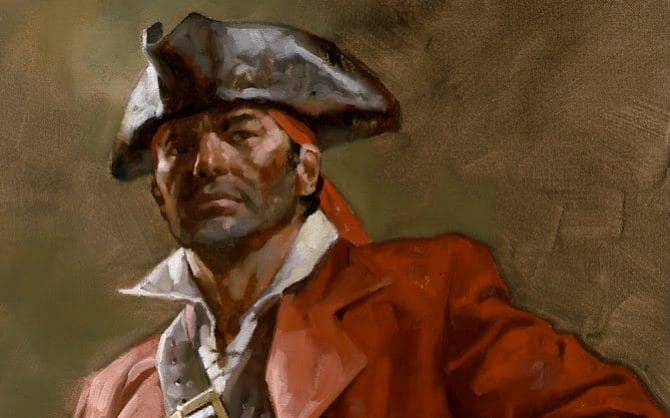 A Black Swan event is something so outlandish it’s beyond the imagination. Two, not one coastal towns, not just damaged, but essentially wiped clean by a Category 5 Hurricane. The winds of change that hit that infamous day have not yet stopped blowing. Where for decades everything stood still, now every morning locals awaken to see what changes the winds will bring. They know that whatever happens, there will be a very different dynamic.
The name of today’s storm is called modern Florida. The “eye of the storm” is simply called “30A” and if the first squall lines are any indication, the “eye” of this storm too has set its sights for Port St Joe and it’s going to have a big impact. What will this economic “hurricane” do? It will likely leave a path of franchises with recognizable logos and license plates not so recognizable. But it will also court new wealth to surf into beach towns in pursuit of the finer things in life and establish a cultural crossroads.
This is a story of determination, with Port St Joe, Mexico Beach, and Apalachicola poised to be the “new 30A.” Can it build and strategically plan so that one day it has more of the good and much less of the bad? It’s pretty scary to think about what is left of the culture and traditions of the original Destin vs. the new Destin. The winds here are blowing in with two new marinas, a new micro-brewery and revitalizing and expanding the historic Gibson Inn. In what used to be the Sunset Grill (once the kind of place where one could get a decent frozen mahi taco), is now the world-class White Marlin which is a restaurant serving only the freshest seafood. And this is just the beginning, with business and community leaders busy welcoming energized investors.
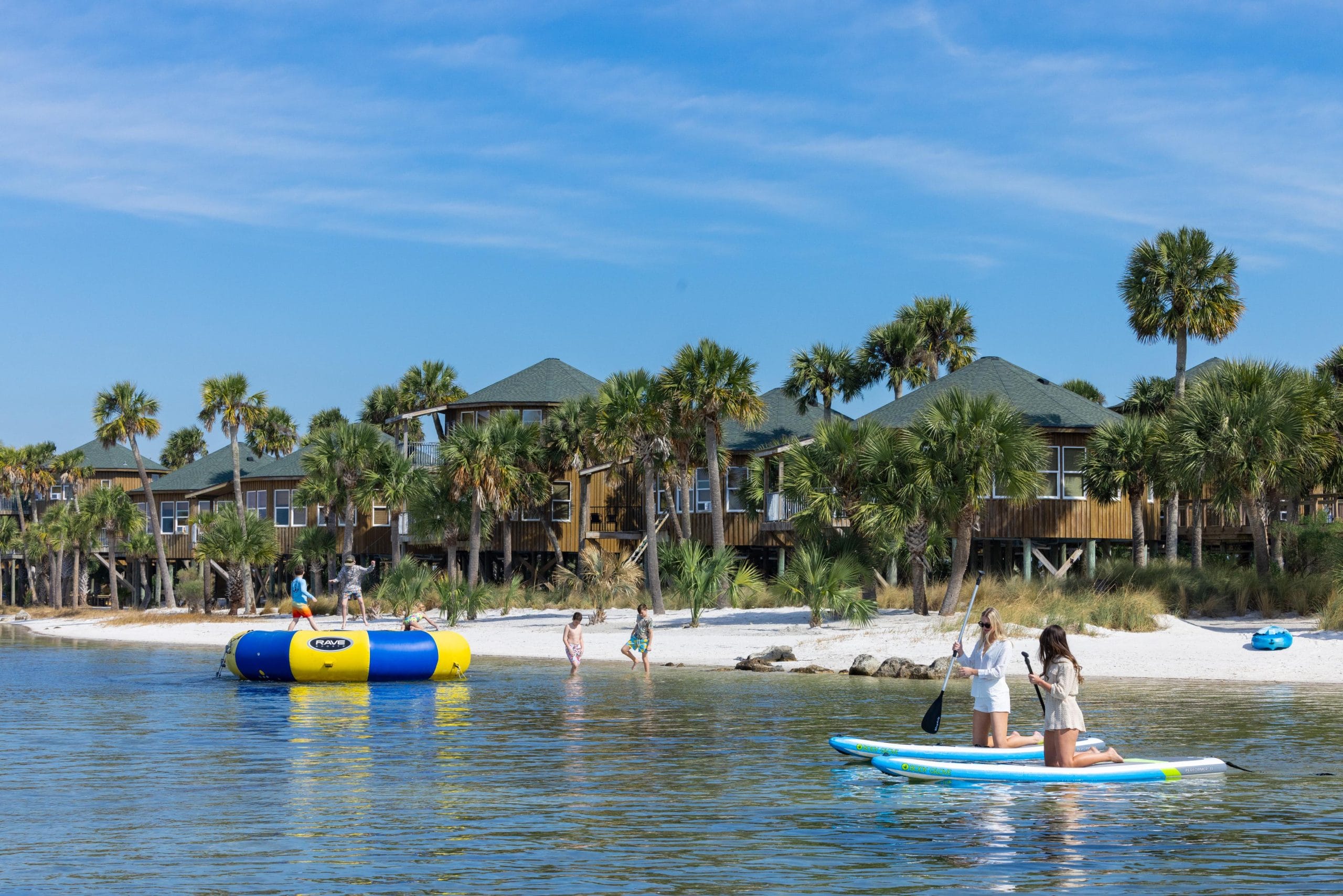
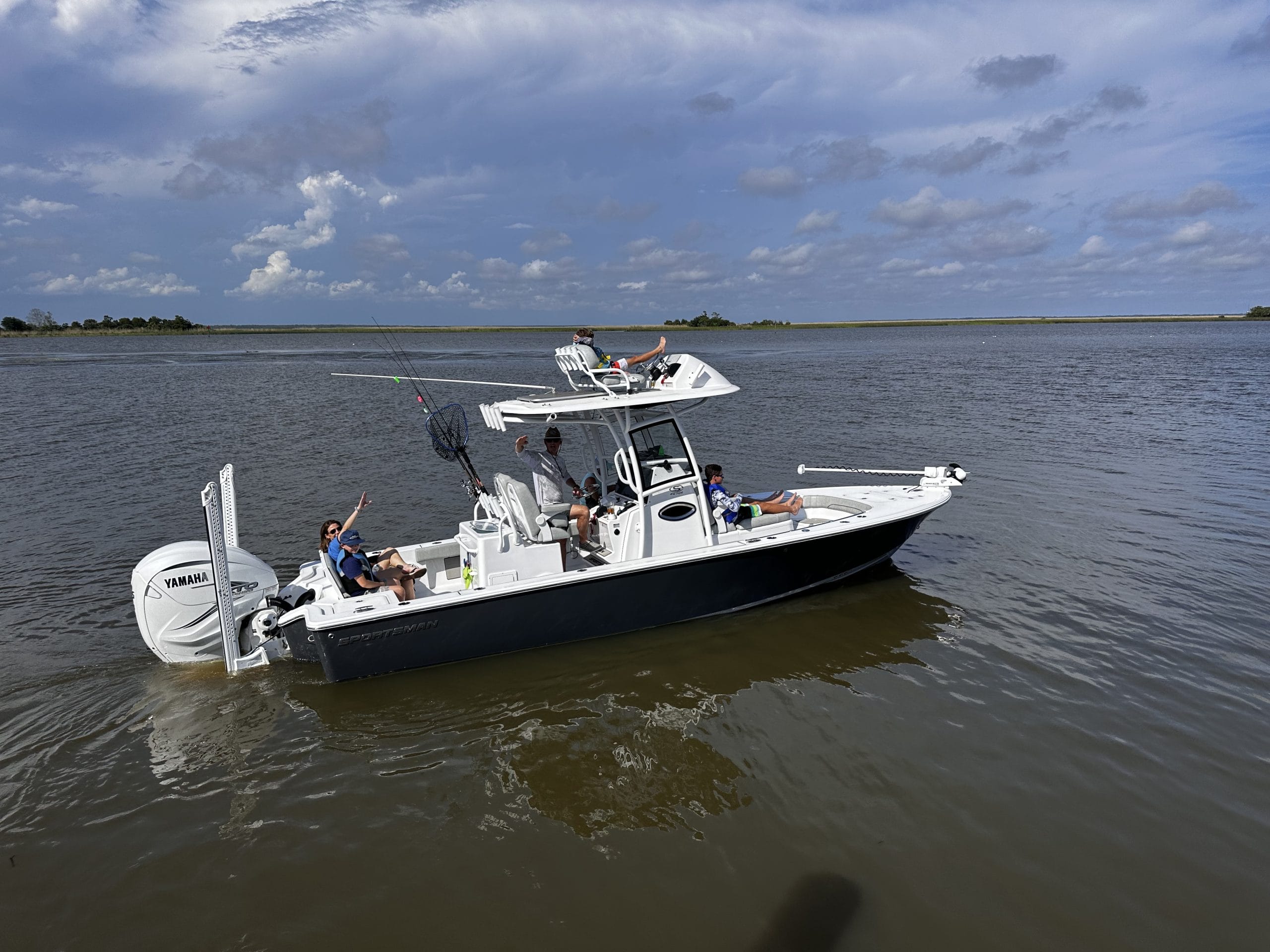 All of this change is within the reach of a small, innocuous Island resort seemingly in the center of it all. There is something about this island, just two miles into St. Joseph’s Bay, that finds itself in the middle of it all. When Hurricane Michael swept through, it literally cut a new entrance into St. Joe Bay and Cape San Blas in two.
Sitting about 2 miles just offshore in the heart of St. Joseph Bay lies one of Florida’s most treasured islands, both figurative and literally. If there ever was just one symbol of what is going on here, like a flagship property, this is it. It’s been known as Black’s Island since 1717 and once belonged to the richest pirate in the world, Captain “Black Sam” Bellamy. He also dressed for the role, preferring to shed the customary white wig of the day for his long black hair and red sash, carrying two flintlock pistols. He must have been quite a sight. Renowned as “the Robin Hood” of pirates for setting his captured crews free and even swapping ships, he is alleged to have captured 53 vessels. Forbes estimated his wealth to be approximately worth $120M today.
He lost everything in a Nor’easter off the coast of Cape Cod on the way to see his girlfriend. The shipwreck and much of its treasure wouldn’t be found for another 267 years. Today, his flagship island is now a Four-Star resort with people coming from around the world to experience the “real Florida.” While his ship, the Whydah Gally, couldn’t handle that storm, he would be proud that his island survived a direct hit from a Cat 5 hurricane. Not only did the island miraculously survive to everyone’s surprise but it was reminiscent of the scene in Forrest Gump when the lone shrimp boat “Jenny” survived Hurricane Hugo. Here, even the Weather Channel reported from Blacks Island in disbelief it was not only still there but so expertly built there was little structural damage. Today, the resort is thriving and some of the bungalows are available for individual purchase. Coincidentally, one can buy the entire Black’s Island today for essentially what Bellamy would have owed in income taxes… $50M.
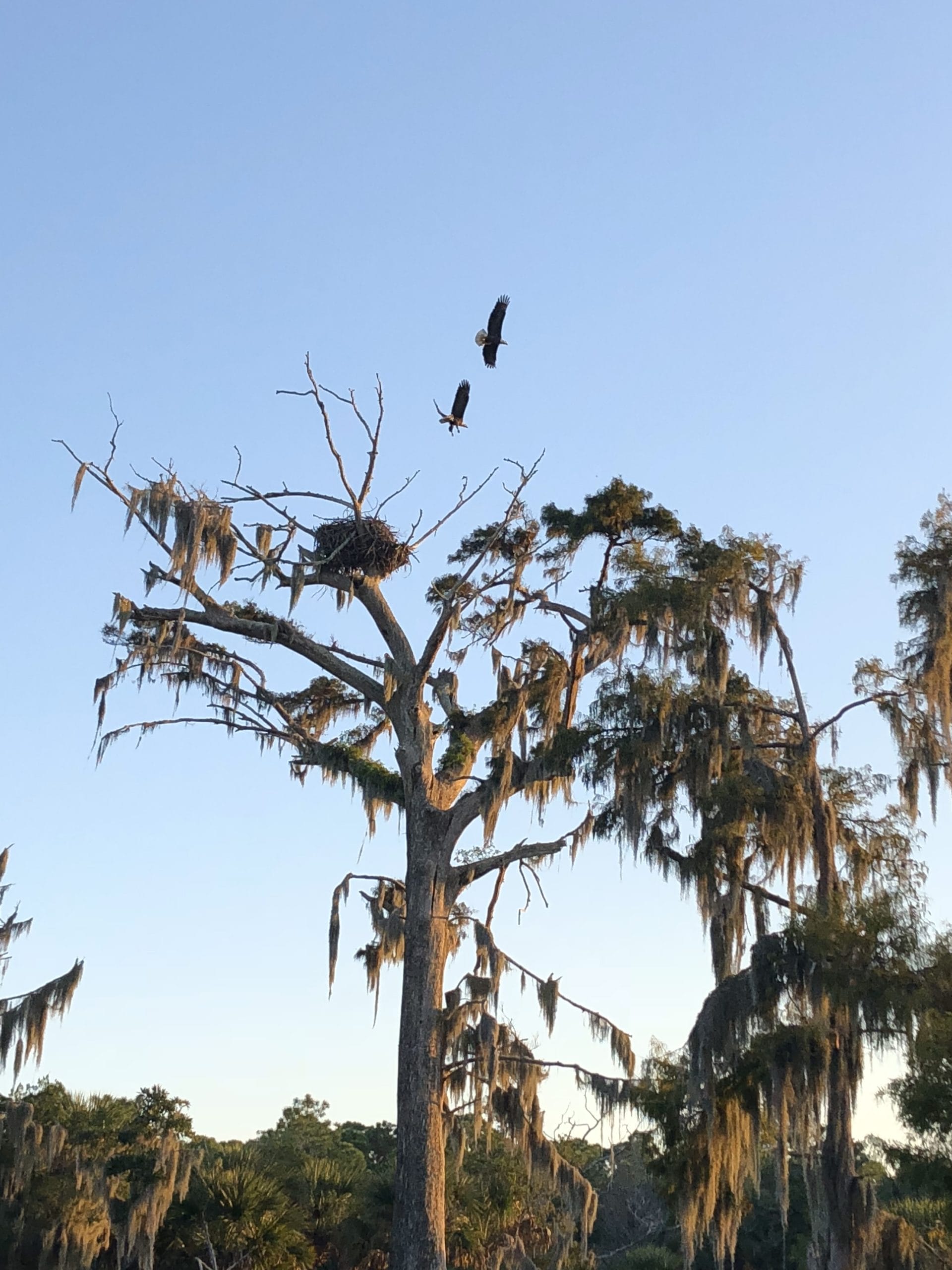 Another character who would make his mark in Port Saint Joe was Ed Ball. Ball was more of a Scrooge than the likable pirate, Bellamy, although neither would marry. Port St. Joe was the epitome of an area under the steam of an economy fueled by the wood mill founded in 1938 by the St. Joe Company. Ball headed this company and as far as North Florida was concerned was more powerful than the Federal Reserve. In fact, folks like me will never forget he fenced off the Wakulla River which freely flows from the largest spring in the world and had been open to everyone from the time Florida’s first Governor sailed there 500 years ago. Imagine someone so politically powerful via monopolies that included a railroad, a bank, and a timber empire, that he had the time zone designation changed for his convenience. Walt Disney himself preferred to build his theme park here in North Florida, on St. Joe’s vast lands. Ball famously told Disney that “he didn’t deal with carnival people.”
Like Bellamy, Ball’s empire would be lost as well. Little did he know that in a cruel twist of fate, that after his passing none other than former Disney executives would be chosen to take his very place. They would run his company and run his empire into the ground. Now renowned as “Woke Disney” for pushing agendas and not focusing on what people want so too did the former executives do to St. Joe. When it was all over, all they owned of a once vast empire was the acreage equivalent of Bellamy’s island.
 Through all of this, the person who called this area home, who really stood out, who really made a difference, and withstood the test of time is Dr. John Gorrie. In 1851, he received the patent for the first ice machine which laid the groundwork for modern refrigeration and air conditioning. It’s surprising that there isn’t a Florida County named after him.
There certainly have been some major influencers in this area. Who will it be in our time? I can’t think of another example in modern Florida where we have the chance to rebuild two coastal towns, a chance to look at what we did wrong the first time and correct it. A chance to make amends for the mistakes of the past. Are the local customs, and traditions of its people going to be largely erased like at 30A or will this area fight to keep its culture like they do at Cedar Key or for example, Cody, Wyoming? It’s a fresh opportunity that we never in our wildest dreams would have expected. Let’s pray we are able to take this opportunity for redemption and make things right.
 From murky farm ponds to pristine glacier-cut lakes and everything in between, Knox Daniels’ expertise stems from a lifelong fascination of water and the creatures that live in and around it. He recognizes and helps clients appreciate the value water features bring to a property. “My goal is to help buyers realize and sellers maximize the value different water bodies bring to a property, not only in a recreational sense, but also for social storm reasons.” After extensively traveling the country for collegiate BASS fishing tournaments, Knox graduated and worked for the Southeast’s finest fisheries and wildlife biologist, Greg Grimes. With Grimes’ company, AES, Knox managed many of the southeast’s finest private lake estate/impoundment properties, and learned the intricacies of upscale property management. Learning from Greg and other biologists, Knox honed in on the specific conditions and habitat needed for optimal gamefish growth in private lakes. He has also worked as a property manager on several thousand acres and for a commercial developer, facilitating the dirt work and builds of several apartment complexes, but his true passion has always been in the outdoors. “I’ve always had an insatiable fascination with ponds/lakes and am grateful to be able to help to place clients on the properties of their dreams and make their personal fisheries/wildlife goals reality with JKA.” – Knox Daniels
 Jason has been assisting landowners for the last 28 years in Georgia and South Carolina obtain achievements the owners did not realize were possible. His degree in Biology from Georgia Southern stemmed from the desire to know how things in nature work. His plantation roots began at just 16 years old outside of Albany, GA and the last 20 years were spent in the Lowcountry of South Carolina. His entire career has been spent developing a global approach to plantation management. That plan included sales. Sales is in Jason’s blood- his mom had a 45-year career as a real estate broker. After college, he chose to pursue his passion of making properties great. In 2011, Jason sold his first plantation. Since then, he has assisted buyers and sellers with over $20 million in sales while most of that time working as a full-time General Manager of a large Lowcountry plantation. Today, he is committed to using his unique skill set and experience to guide landowners through the many challenges of plantation ownership.
 Bruce Ratliff is a retired elected official (Property Appraiser Taylor County). Bruce brings years of experience in ad valorem tax knowledge. His property tax background gives JKA Associates & clients a unique insight into the complicated tax process. Bruce held several positions in the Florida Association of Property Appraisers, including member of the Board of Directors, President, Vice-President and Secretary, and served on the Agricultural & Legislative Committees for the Association. The real estate business has been part of Bruce’s life since childhood. His mother, Shirley Ratliff owned Professional Realty of Perry, Florida and his father, Buster owned Ratliff Land Surveying which Bruce was General Manager of before his political career.
 Hailing from a long line of outdoorsmen, Tim learned a great deal from his father and grandfather. He saw first-hand what it means to be a good land steward. He believes land is so much more than a place to hunt, fish, and grow timber or crops. “It’s an identity, a resting place, a safe haven and a way of life, said Tim.” Tim’s family ties to Alabama run deep. During his grandfather’s first term, Governor James was responsible for signing into law Alabama’s first state duck stamp which helped to ensure funding for the procurement, development, and preservation of wetlands for migratory waterfowl habitat. He also established Alabama’s lifetime hunting license, so it is no surprise that Tim is an avid outdoorsman with a keen eye as to how best to improve habitat for the greater good of its wildlife.
 With Madison County roots, Lori grew up on her family farm at Pettis Springs along the historic Aucilla River. A love of the land was instilled in Lori very early on by her father who was a local farmer. Lori understands the importance of good land stewardship and has witnessed first-hand how her own father, a former 2-term member of the Florida House of Representatives whose district encompassed many rural counties of the Red Hills Plantation Region, with a little bit of sweat equity, so lovingly worked their own family land. These are core values she carries with her today, and nothing gives her more personal satisfaction than to represent some of the south’s best land stewards.
 Cole’s dedication to land management lies in his family roots. As a fourth-generation timber expert, Cole’s earliest memories were spent with his father managing timber investments. With a degree in Food Resource Economics from the University of Florida, Cole is the epitome of an up-and-coming leader. He grew up with a hands-on approach to learning land management and conservation and has spent the last 15 years learning every angle of the real estate and forest industry. Cole is a member of the Florida Forestry Association, Red Hills Quail Forever, Southeastern Wood Producers Association and he uses this platform as an advocate for landowners and their land investments. His family has dedicated the past 60 years to providing landowners in North Florida and South Georgia with professional land management services focused on improving and protecting one’s forestland and wildlife investment. In fact, their family business, M.A. Rigoni, Inc., was one of the first to introduce whole tree chipping to the Red Hills Region.
 As a landowner of his own family farm, Lick Skillet, along with family land that has been passed down and enjoyed together at Keaton Beach for 40 years, Jon knows what it means to be a steward of the last best places. As a third-generation land broker with more than 30 years of experience in advising landowners in this niche, Jon is known for his innate ability to harvest a land’s unique intrinsic value. Touting several notable sales under his belt, Jon personally closed Rock Creek/Molpus – 124,000 acres of premium timberland at $142,000,000 – which was known as the largest timberland land sale in the Southeast for eight years running. He is a co-founding member of LandLeader and achieved the real estate industry’s highest honor, “2022 National Broker of the Year – Recreational Land Sales,” by the Realtors® Land Institute.