Can whitetail deer save North Florida?
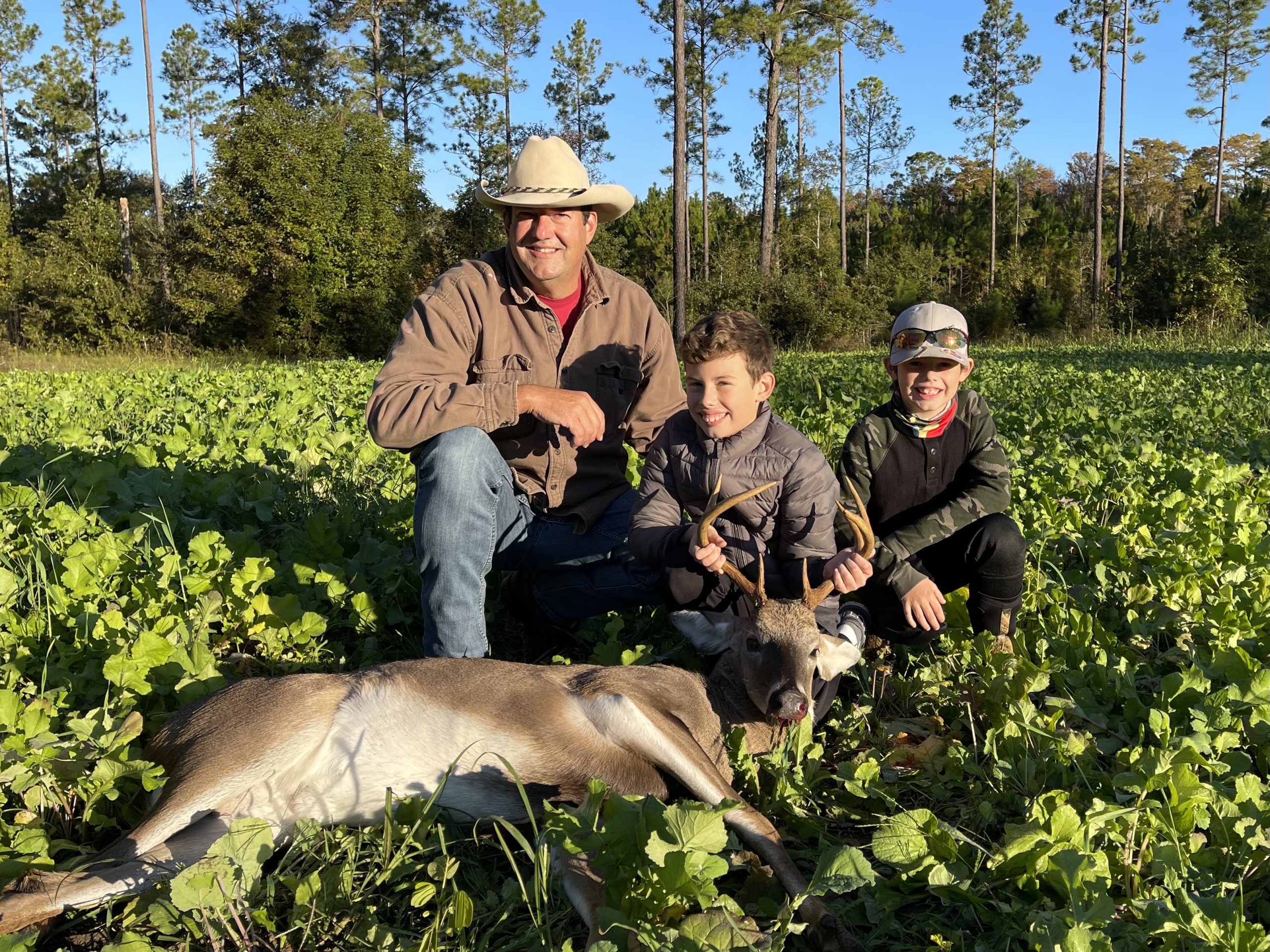 I’ve got a running joke I tell friends when they ask why I’m still obsessed with deer hunting after all these years. “I’ve never taken drugs. Don’t gamble. No interest in strange women. But I have been known to do some stupid things because of my hunting addiction.”
They laugh… because they get it. Down here, deer hunting isn’t just a hobby. It’s our culture. Our tradition. It’s the one thing that can pull a welder, a banker, and a PhD into the same campfire conversation like they’ve known each other their whole lives.
So here’s the question increasingly on my mind every time I cross the Suwannee River. I see the front lines in a battle between two competing cultures inching northward. It scares me. Our timber markets have taken a hit and the massive timber companies that were once the bulwark are retreating, leaving private farm and timberland owners to stand alone. Could deer hunting—more precisely, the recreational value of deer hunting—be one of the primary forces strong enough to keep North Florida rural? I think it can.
The Shift Nobody Saw Coming
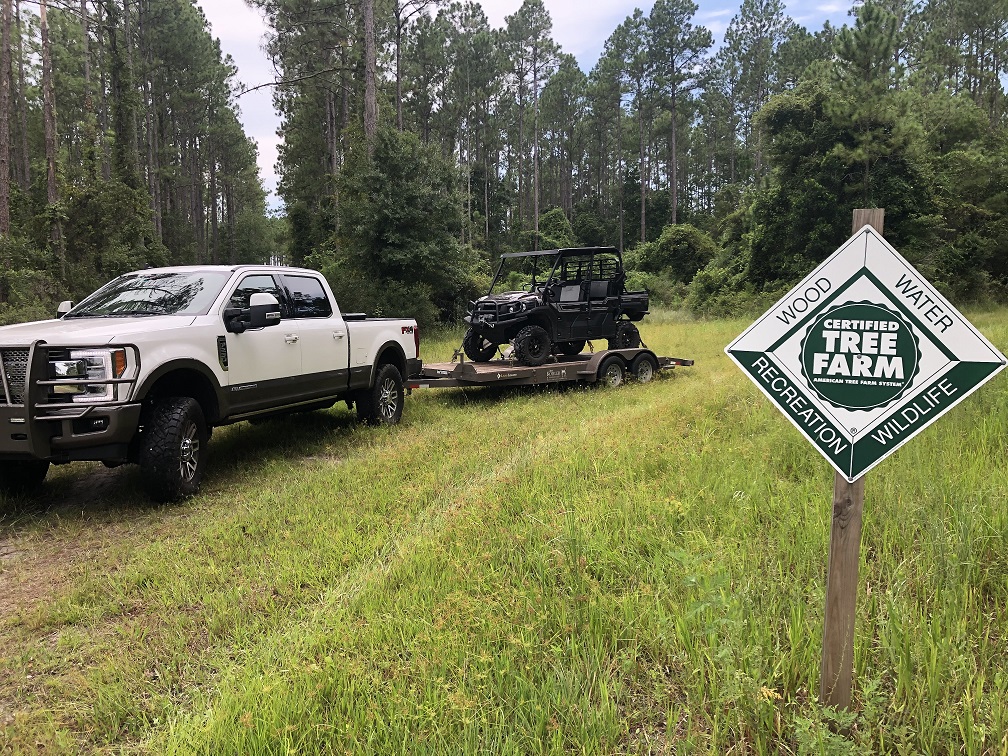 A lot of folks forget how different North Florida used to be. I grew up in a time and place where deer weren’t something you managed for. To many now, it’s become the land’s purpose, no longer a simple byproduct. Recreation is now the main “crop.”
That shift matters. Because once hunting becomes the focus, the value of rural land stops being measured only for its agricultural value but also its often higher recreational value. This puts the family farm in a new position where memories are worth more than pulpwood and the land’s intrinsic value is tied forever in your soul.
Let’s Say the Quiet Part Out Loud
A lot of us are nervous. Pulpwood values are below what they were when I was in college. Mills have not just closed but permanently dismantled. With 10-year permitting hurdles and $10 billion investments, mill experts tell me it’s all but impossible to build a new one. And multiple hurricanes didn’t just damage timber—they broke nest eggs put in the timberland basket.
The good news is that for many properties, a subtle shift in focus is all it takes to make them great recreational properties. There’s no way the late Agricultural Commissioner Doyle Conner could have imagined that his beloved Bar-C Ranch would be worth 102% more as a deer hunting property than for cattle. That’s exactly what we proved when the new owner asked for our opinion, and we quickly resold it for $7,873 an acre more—more than doubling what it had sold for not long before.
Deer Are Driving Land Values in Ways Most Don’t Understand
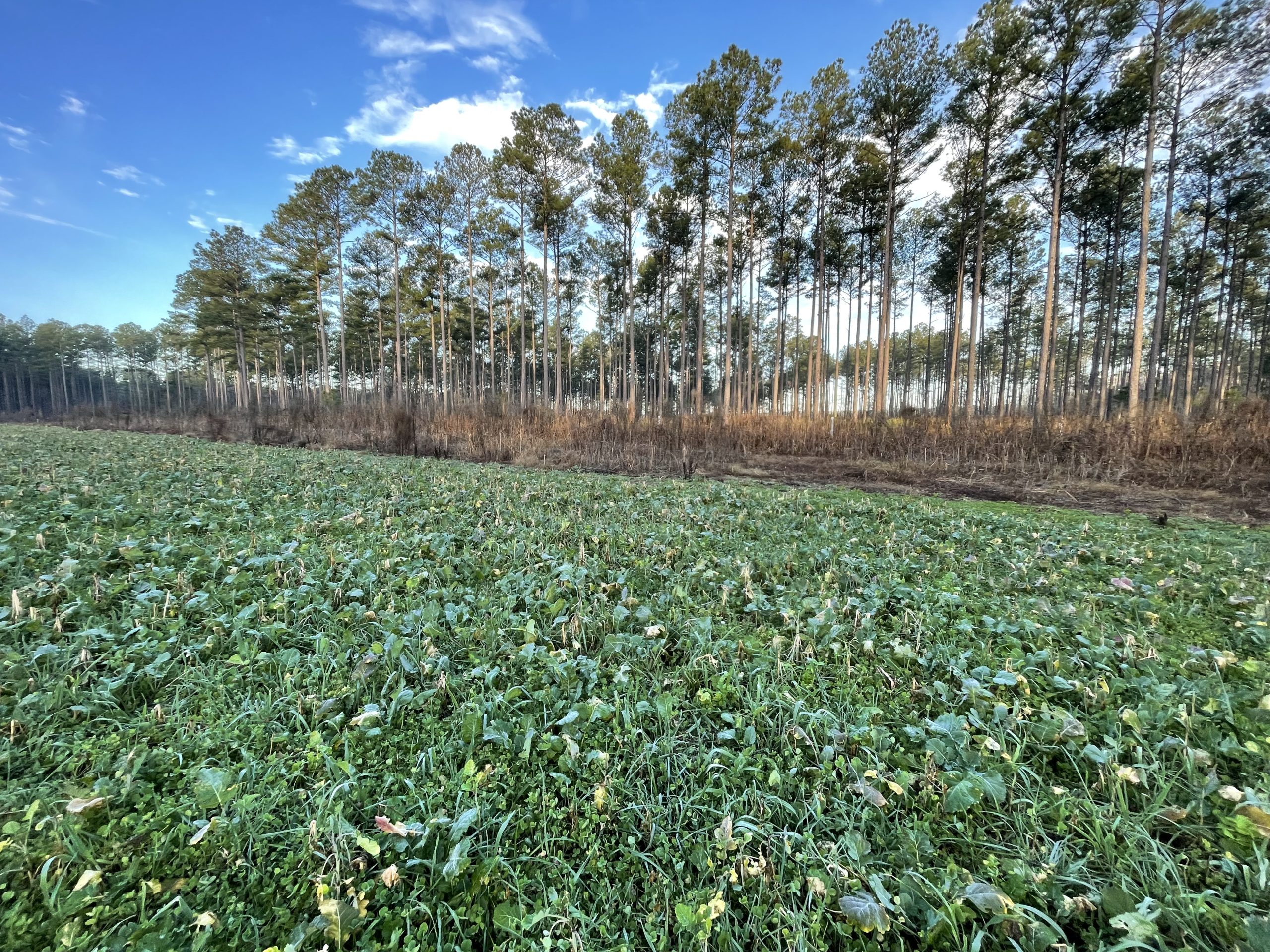 If you want to see what a deer-driven market looks like, look at certain counties in Georgia—where protecting young bucks isn’t viewed as “restriction,” but as pride. Where buyers, predominantly from Florida, drive hours through otherwise good lands to arrive where they’re assured of good genetics and neighbors who “let them go so they can grow.”
In some of those places, the “trophy buck premium” is so strong that recreational land consistently sells for the price of irrigated farmland—and beyond. A Dooly County farm where a buck recently graced the cover of GON magazine proved this. When the bank appraisal came in short, the buyer couldn’t close. I picked up the phone and in one call sold it for full price, all cash. The appraiser became a believer after we proved the trophy buck premium was 52%.
What About North Florida?
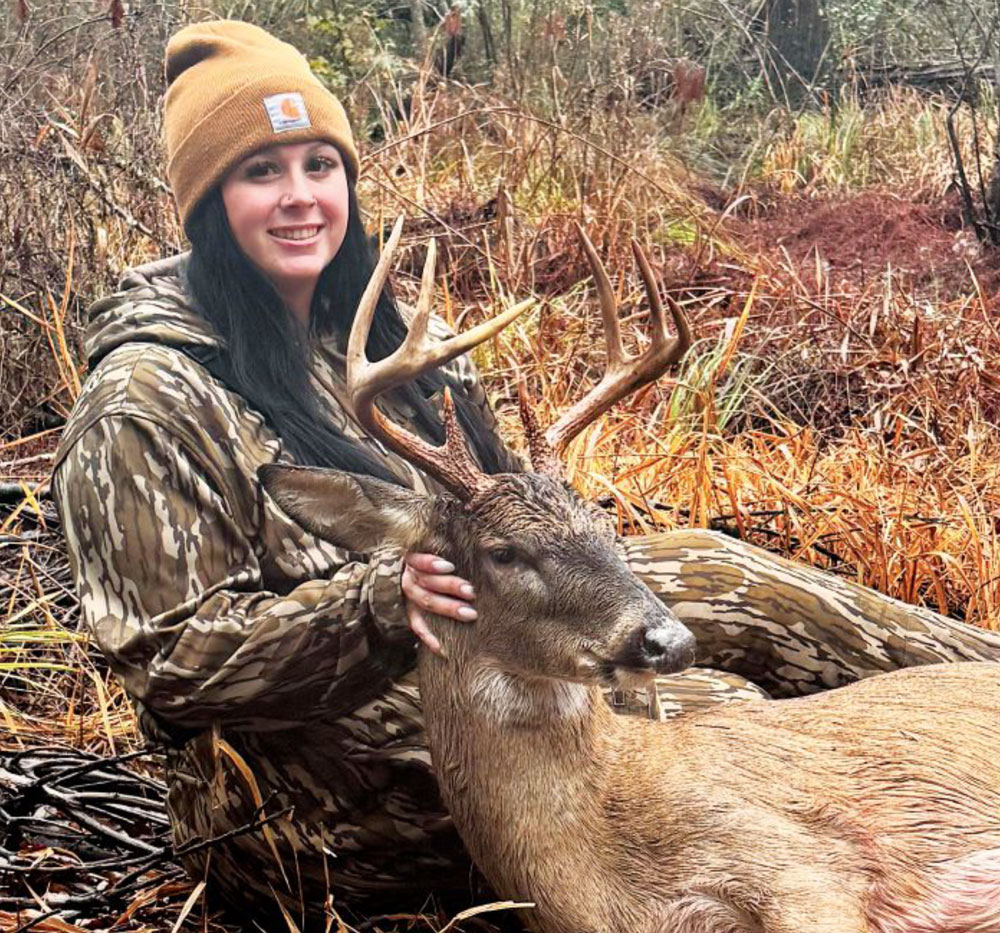 What Florida lacks in recreational land strategy it makes up for in conservation lands. I love Wilton Simpson’s successful Rural and Family Lands Protection Program. The state has acquired conservation easements for over 200,000 acres of working agricultural land. This year’s budget is $250 million.
What if FWC also looked at deer age structure like an economic development tool—one that costs the state nothing? In my real estate business, I see it every day, more and more people want to pursue mature bucks. The lands where they are consistently found have higher land values and grows hunting-related local economies. All the while encouraging folks to be better stewards of the wildlife God has placed in our care.
These working lands need that right now converting some of it to recreational land can be the model. To use the capitalistic system to hold up land values and push back the sprawl. We call it the Working Lands Initiative. To let landowners know there is hope, there is another option. To encourage more land to be managed closer to the way God created it.
The bumper sticker “Cows, not condos” is fitting. But I’ll offer my version:
Bucks, Not Bulldozers.
Food Plots, Not Parking Lots.
Deer, Not Developers.
I know having deer to eat saved many a culture in the past. Perhaps we should consider that having deer to hunt can help save our culture too. A rural way of life. A landscape that still feels like Old Florida. And, the kind of land that makes a person grateful God’s given them the chance to sit in a stand at daylight, listen-ing to the woods wake up, and realizing – quietly – that this is about more than hunting.
And, in the strange economics of our time, the whitetail deer may be one of the strongest allies rural North Florida has.
 From murky farm ponds to pristine glacier-cut lakes and everything in between, Knox Daniels’ expertise stems from a lifelong fascination of water and the creatures that live in and around it. He recognizes and helps clients appreciate the value water features bring to a property. “My goal is to help buyers realize and sellers maximize the value different water bodies bring to a property, not only in a recreational sense, but also for social storm reasons.” After extensively traveling the country for collegiate BASS fishing tournaments, Knox graduated and worked for the Southeast’s finest fisheries and wildlife biologist, Greg Grimes. With Grimes’ company, AES, Knox managed many of the southeast’s finest private lake estate/impoundment properties, and learned the intricacies of upscale property management. Learning from Greg and other biologists, Knox honed in on the specific conditions and habitat needed for optimal gamefish growth in private lakes. He has also worked as a property manager on several thousand acres and for a commercial developer, facilitating the dirt work and builds of several apartment complexes, but his true passion has always been in the outdoors. “I’ve always had an insatiable fascination with ponds/lakes and am grateful to be able to help to place clients on the properties of their dreams and make their personal fisheries/wildlife goals reality with JKA.” – Knox Daniels
 Jason has been assisting landowners for the last 28 years in Georgia and South Carolina obtain achievements the owners did not realize were possible. His degree in Biology from Georgia Southern stemmed from the desire to know how things in nature work. His plantation roots began at just 16 years old outside of Albany, GA and the last 20 years were spent in the Lowcountry of South Carolina. His entire career has been spent developing a global approach to plantation management. That plan included sales. Sales is in Jason’s blood- his mom had a 45-year career as a real estate broker. After college, he chose to pursue his passion of making properties great. In 2011, Jason sold his first plantation. Since then, he has assisted buyers and sellers with over $20 million in sales while most of that time working as a full-time General Manager of a large Lowcountry plantation. Today, he is committed to using his unique skill set and experience to guide landowners through the many challenges of plantation ownership.
 Bruce Ratliff is a retired elected official (Property Appraiser Taylor County). Bruce brings years of experience in ad valorem tax knowledge. His property tax background gives JKA Associates & clients a unique insight into the complicated tax process. Bruce held several positions in the Florida Association of Property Appraisers, including member of the Board of Directors, President, Vice-President and Secretary, and served on the Agricultural & Legislative Committees for the Association. The real estate business has been part of Bruce’s life since childhood. His mother, Shirley Ratliff owned Professional Realty of Perry, Florida and his father, Buster owned Ratliff Land Surveying which Bruce was General Manager of before his political career.
 Hailing from a long line of outdoorsmen, Tim learned a great deal from his father and grandfather. He saw first-hand what it means to be a good land steward. He believes land is so much more than a place to hunt, fish, and grow timber or crops. “It’s an identity, a resting place, a safe haven and a way of life, said Tim.” Tim’s family ties to Alabama run deep. During his grandfather’s first term, Governor James was responsible for signing into law Alabama’s first state duck stamp which helped to ensure funding for the procurement, development, and preservation of wetlands for migratory waterfowl habitat. He also established Alabama’s lifetime hunting license, so it is no surprise that Tim is an avid outdoorsman with a keen eye as to how best to improve habitat for the greater good of its wildlife.
 With Madison County roots, Lori grew up on her family farm at Pettis Springs along the historic Aucilla River. A love of the land was instilled in Lori very early on by her father who was a local farmer. Lori understands the importance of good land stewardship and has witnessed first-hand how her own father, a former 2-term member of the Florida House of Representatives whose district encompassed many rural counties of the Red Hills Plantation Region, with a little bit of sweat equity, so lovingly worked their own family land. These are core values she carries with her today, and nothing gives her more personal satisfaction than to represent some of the south’s best land stewards.
 Cole’s dedication to land management lies in his family roots. As a fourth-generation timber expert, Cole’s earliest memories were spent with his father managing timber investments. With a degree in Food Resource Economics from the University of Florida, Cole is the epitome of an up-and-coming leader. He grew up with a hands-on approach to learning land management and conservation and has spent the last 15 years learning every angle of the real estate and forest industry. Cole is a member of the Florida Forestry Association, Red Hills Quail Forever, Southeastern Wood Producers Association and he uses this platform as an advocate for landowners and their land investments. His family has dedicated the past 60 years to providing landowners in North Florida and South Georgia with professional land management services focused on improving and protecting one’s forestland and wildlife investment. In fact, their family business, M.A. Rigoni, Inc., was one of the first to introduce whole tree chipping to the Red Hills Region.
 As a landowner of his own family farm, Lick Skillet, along with family land that has been passed down and enjoyed together at Keaton Beach for 40 years, Jon knows what it means to be a steward of the last best places. As a third-generation land broker with more than 30 years of experience in advising landowners in this niche, Jon is known for his innate ability to harvest a land’s unique intrinsic value. Touting several notable sales under his belt, Jon personally closed Rock Creek/Molpus – 124,000 acres of premium timberland at $142,000,000 – which was known as the largest timberland land sale in the Southeast for eight years running. He is a co-founding member of LandLeader and achieved the real estate industry’s highest honor, “2022 National Broker of the Year – Recreational Land Sales,” by the Realtors® Land Institute.