
Twin Roads
From Black Ducks to Mallards, This is One of the Most Unique Waterfowl Properties in South Carolina - Managed Green-tree Reservoir and Floodable Duck Pond
- 906± acre high-quality recreational property in Kershaw County, South Carolina
- Located near the Wateree River within a productive waterfowl flyway
- Proven duck property consistently holding strong numbers of puddle ducks, including mallards and black ducks
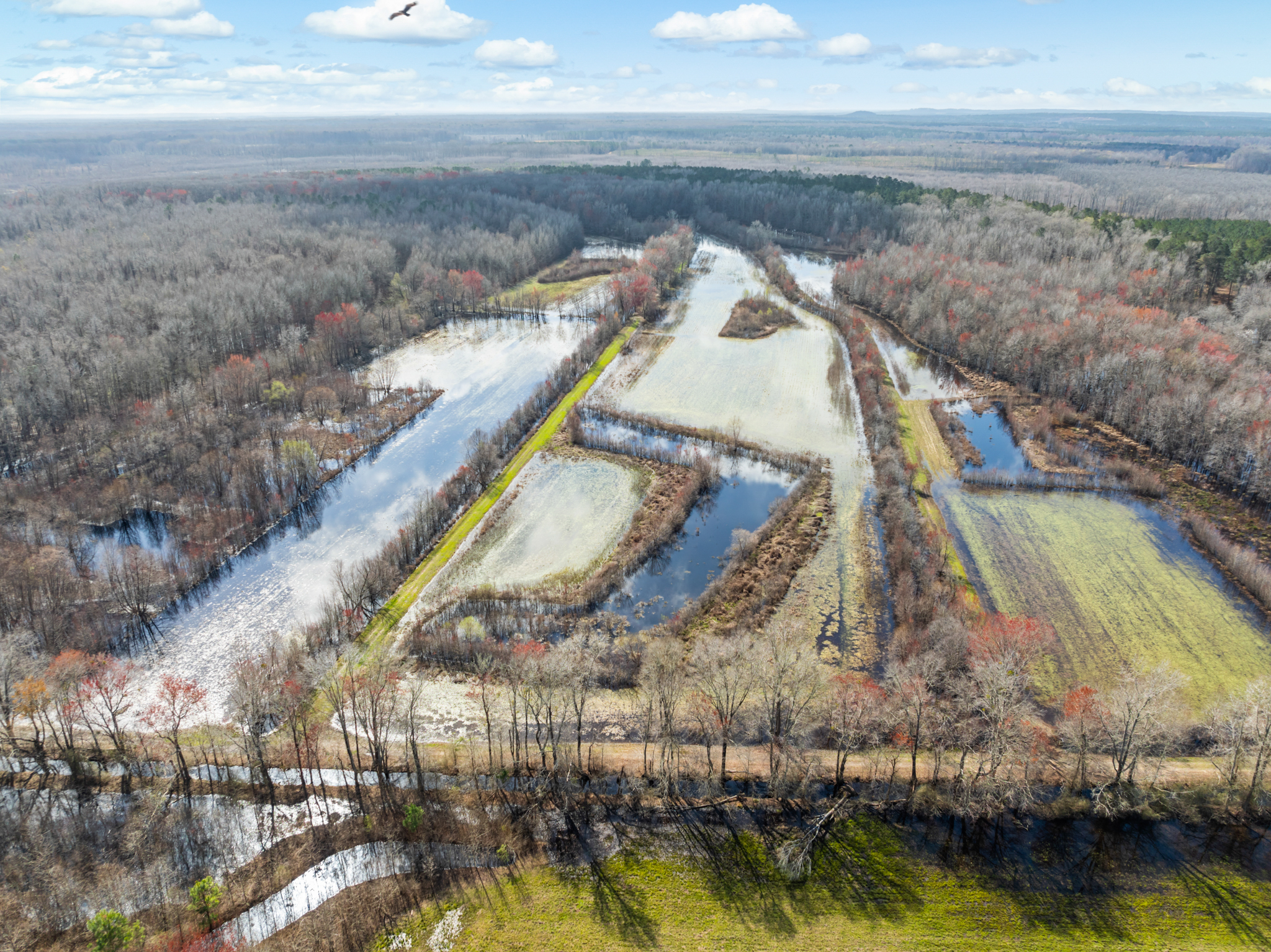
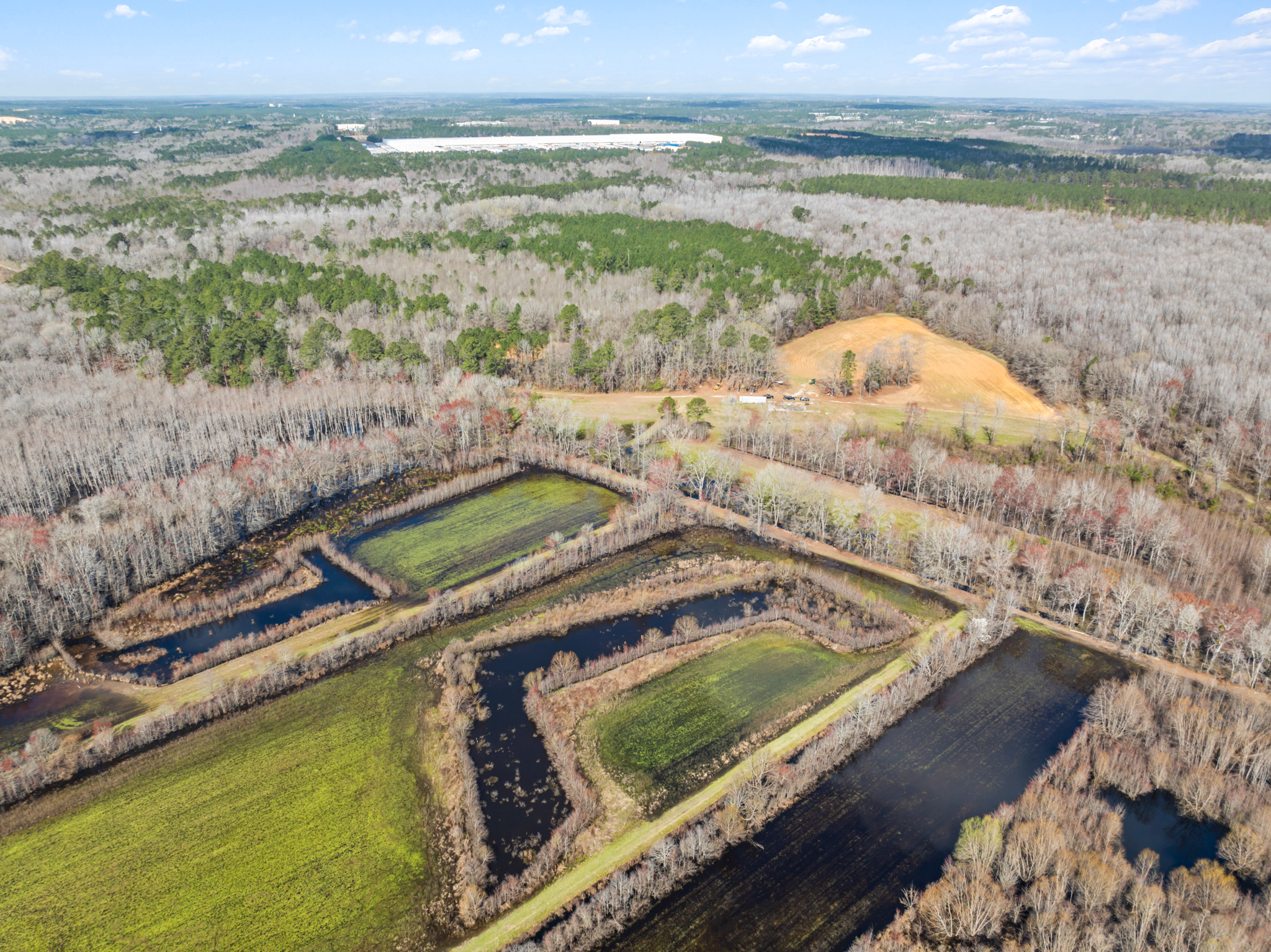
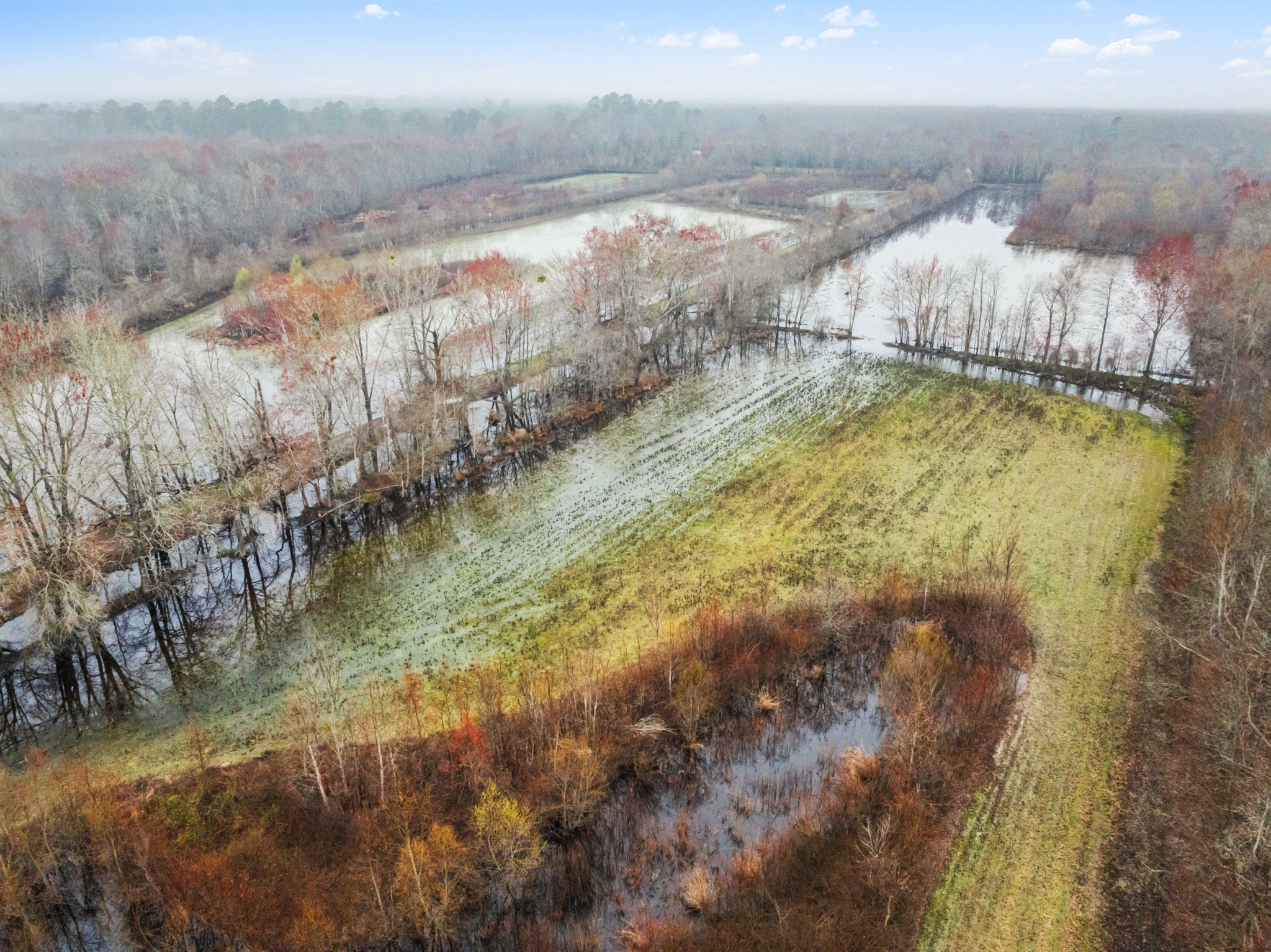
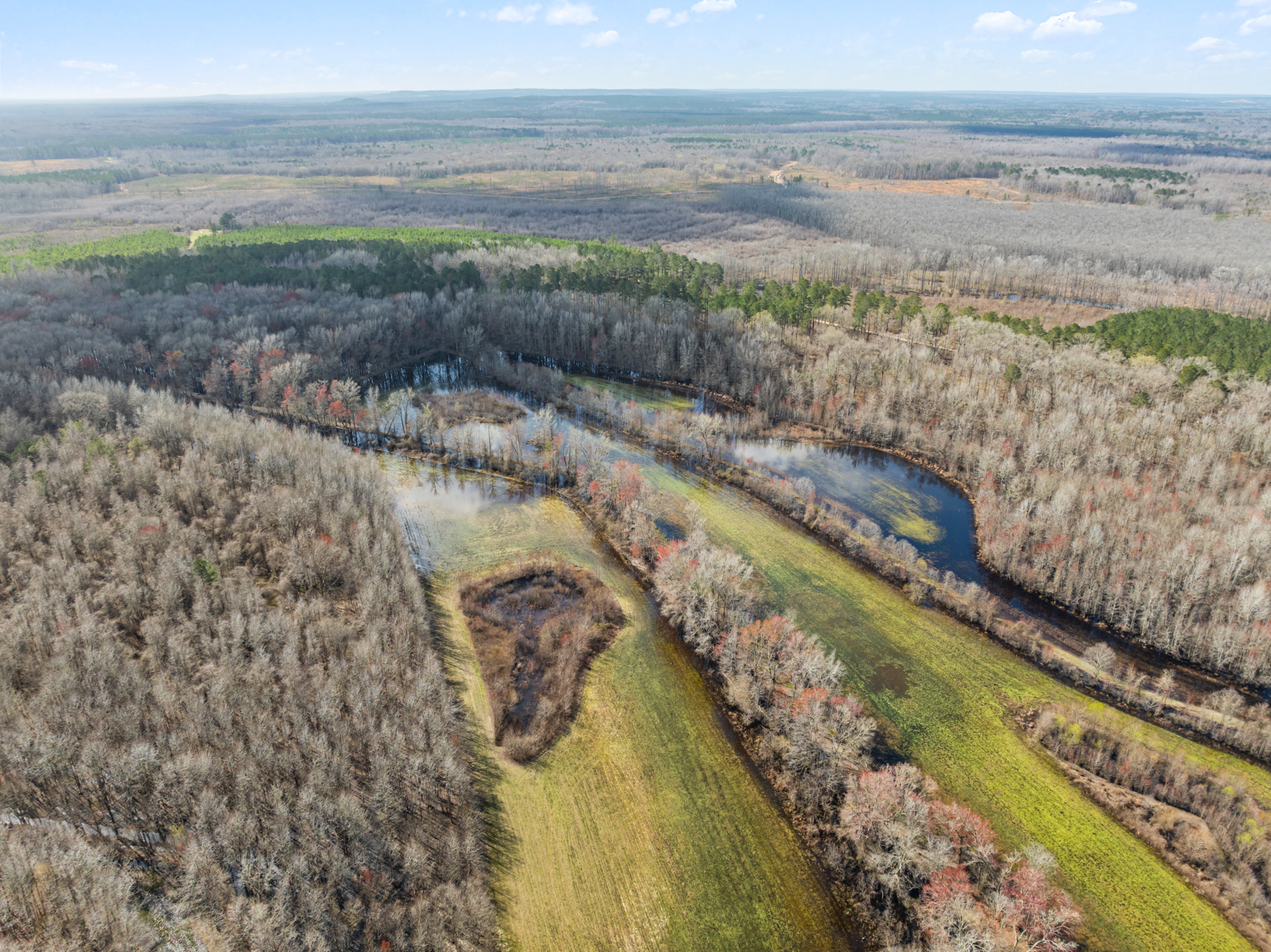
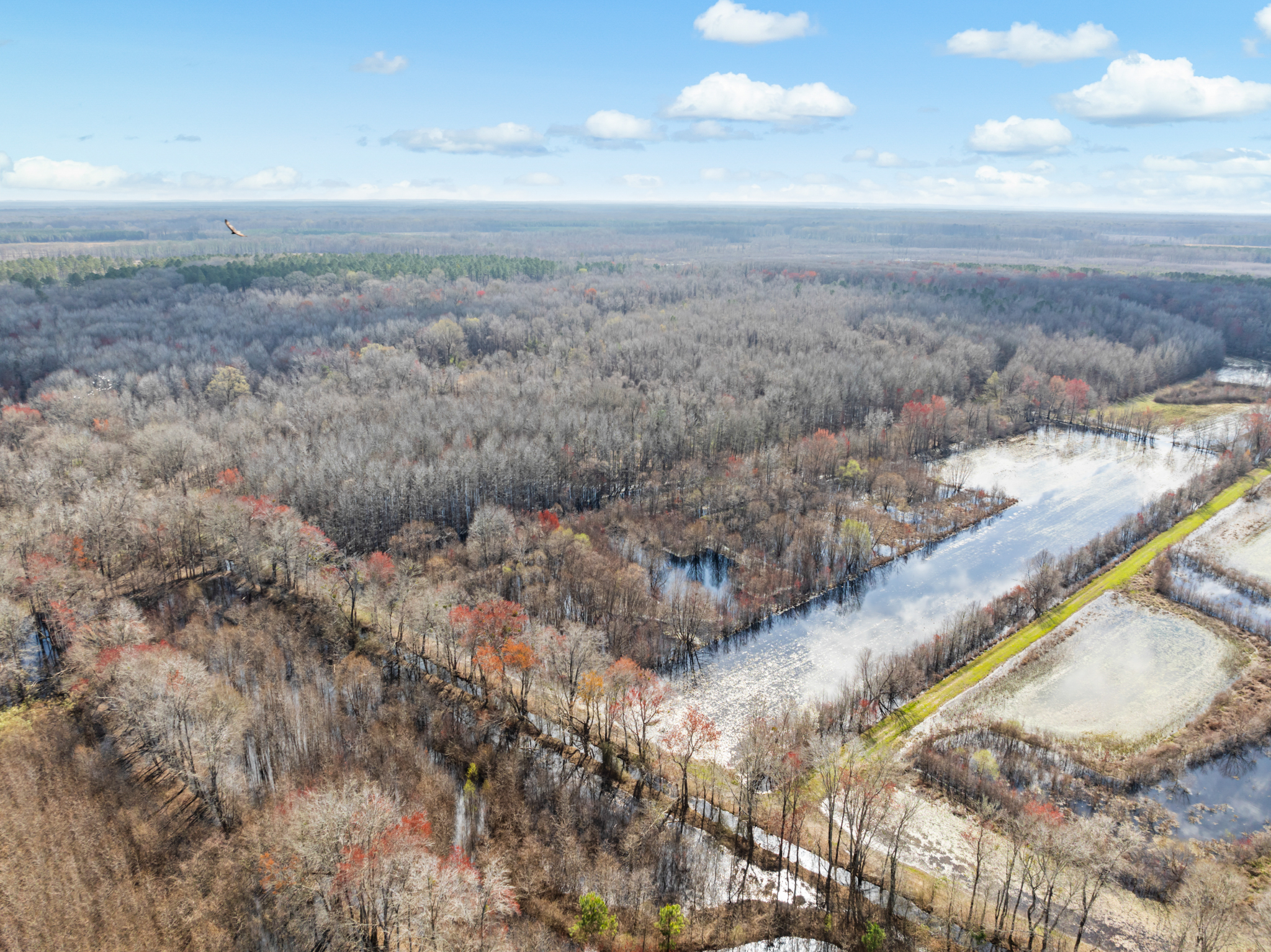
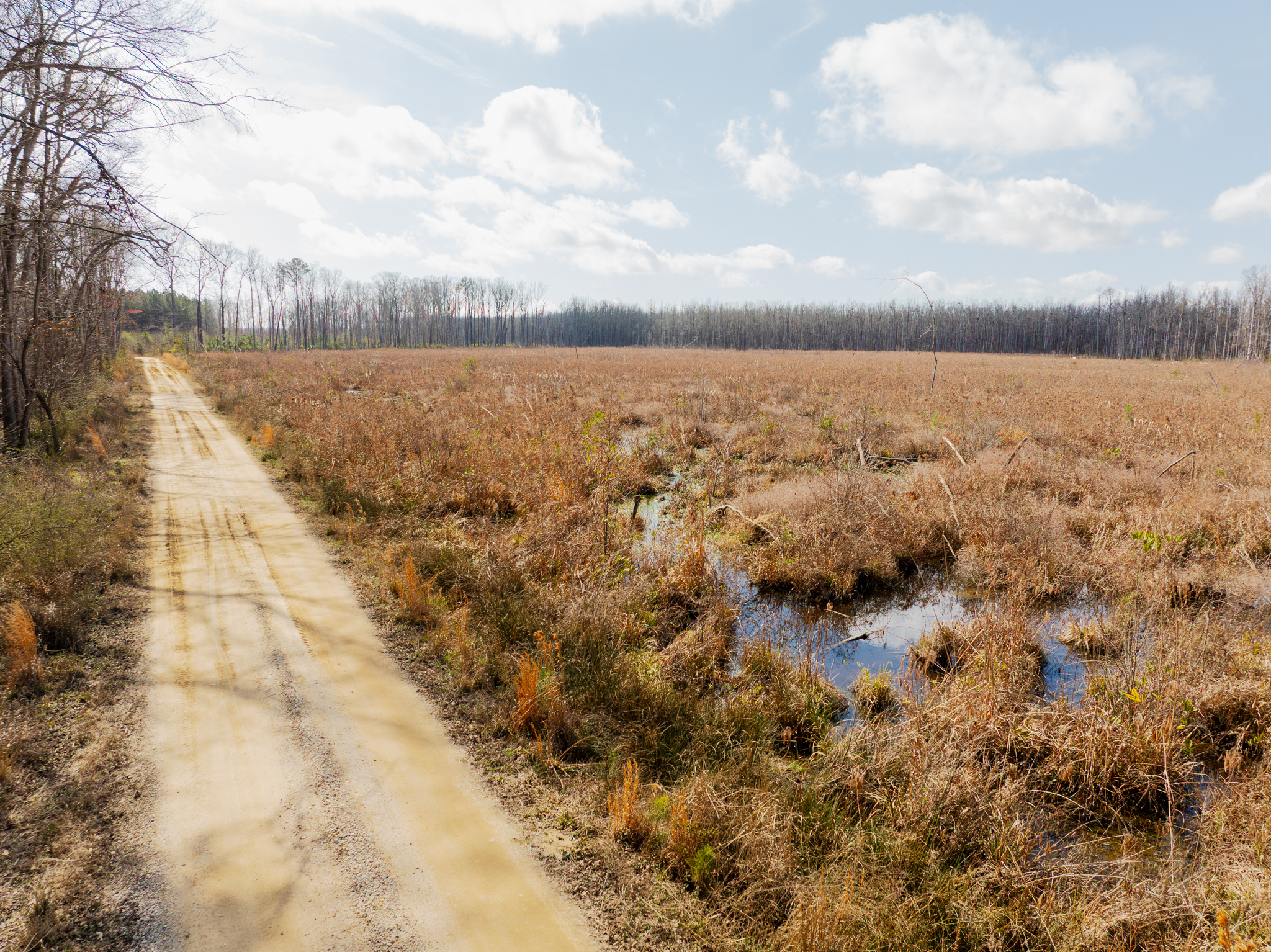
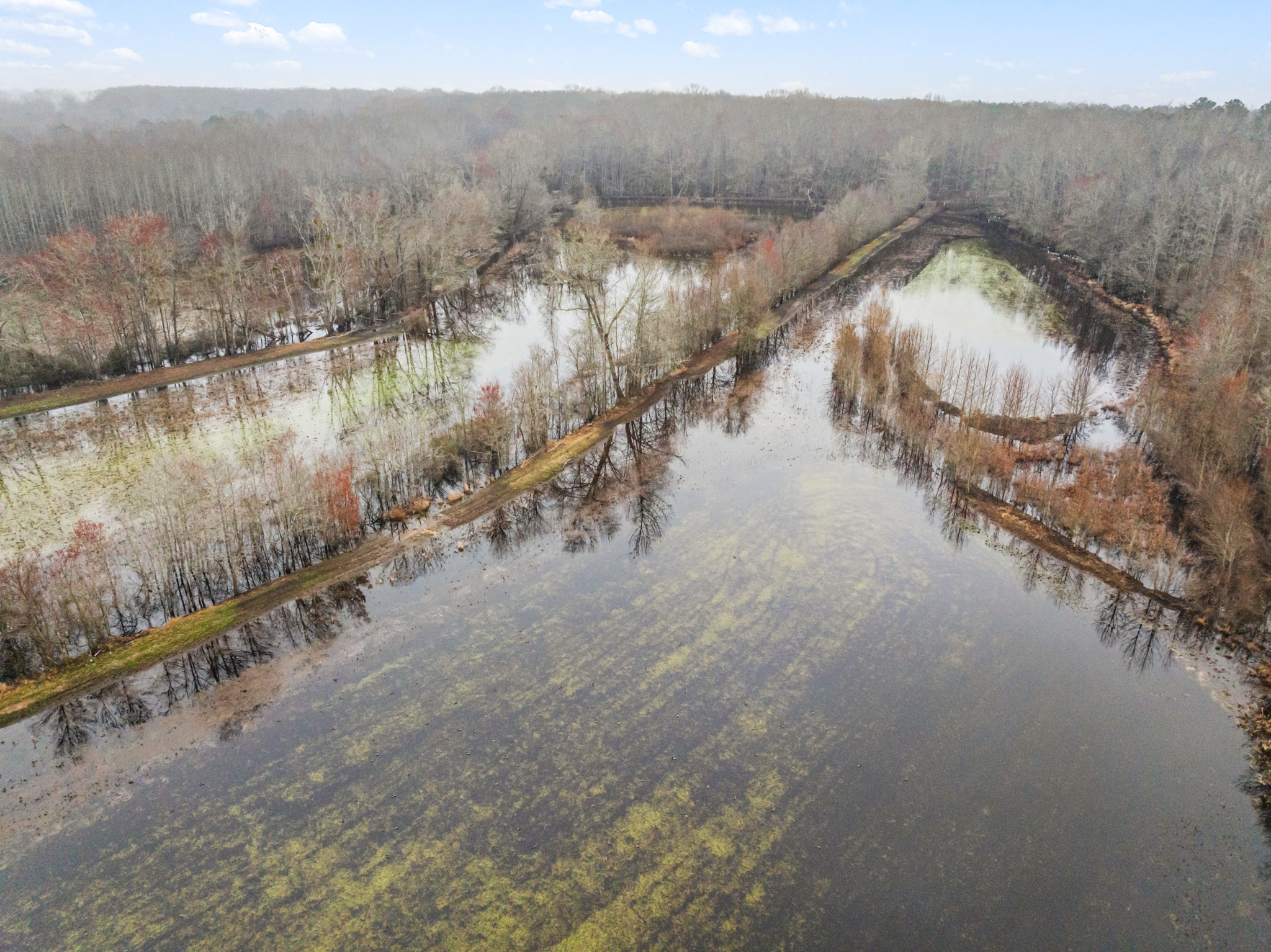
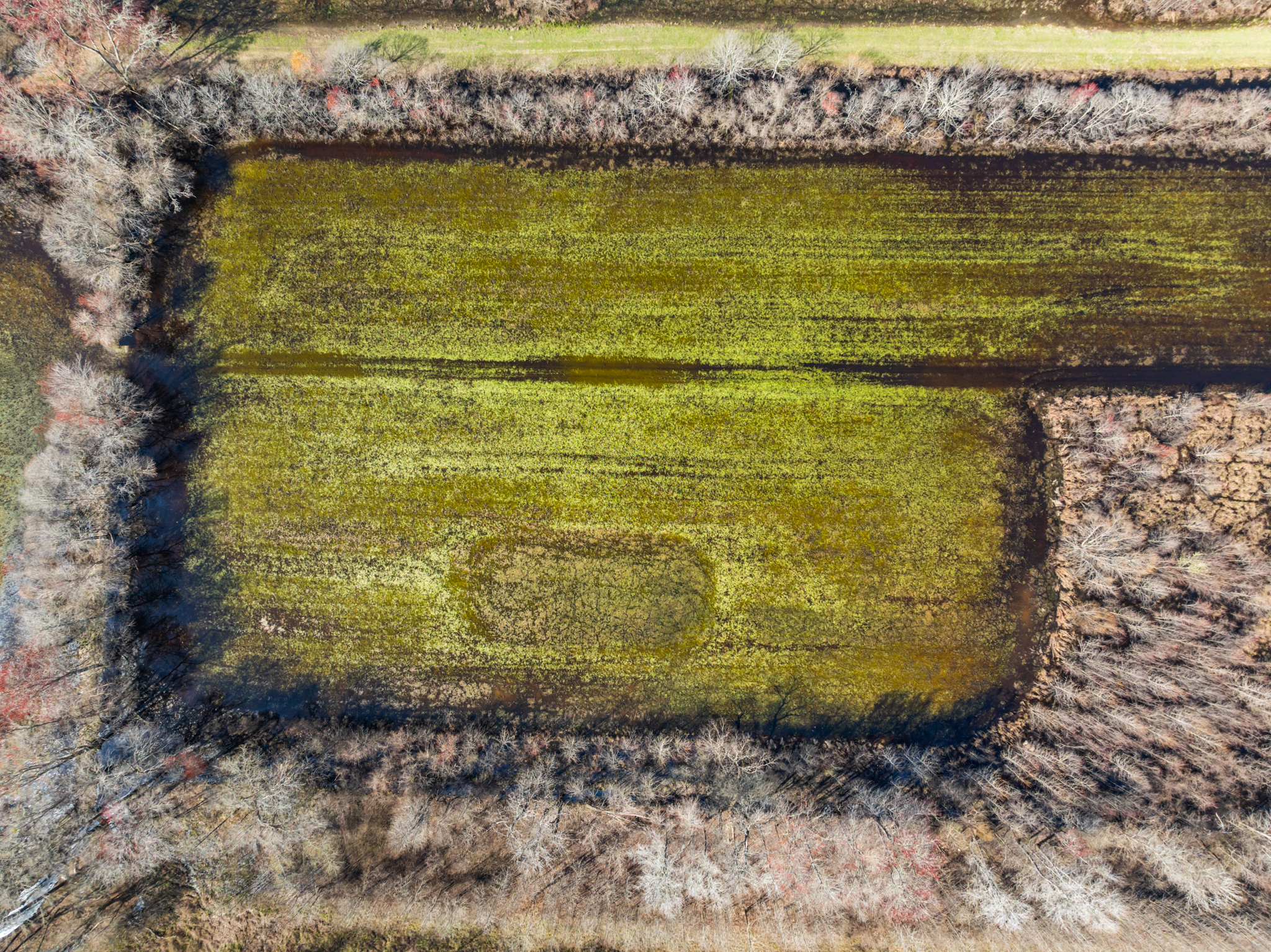
- 38± acre tillable impoundment designed for flooded crops and moist-soil management
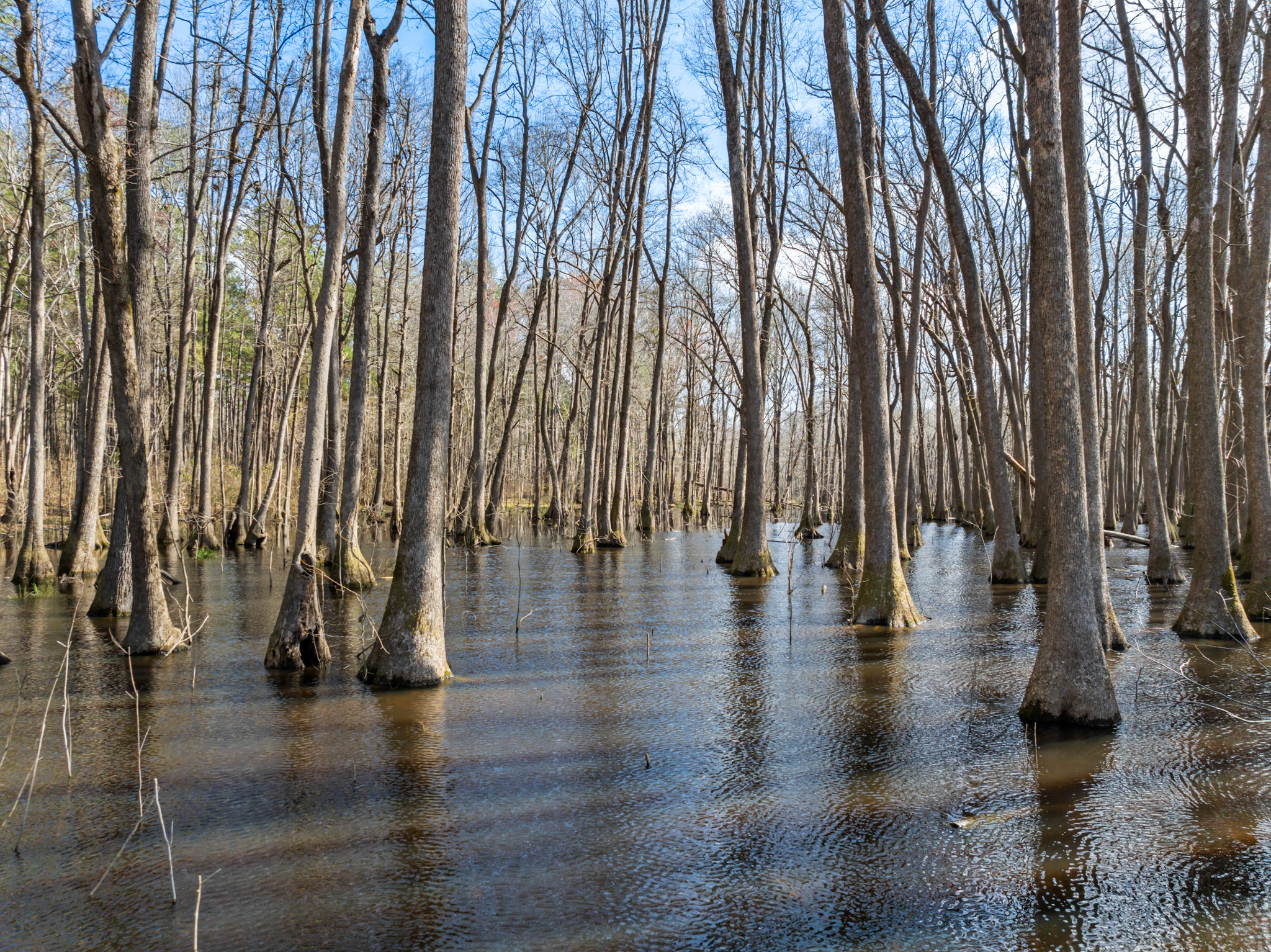
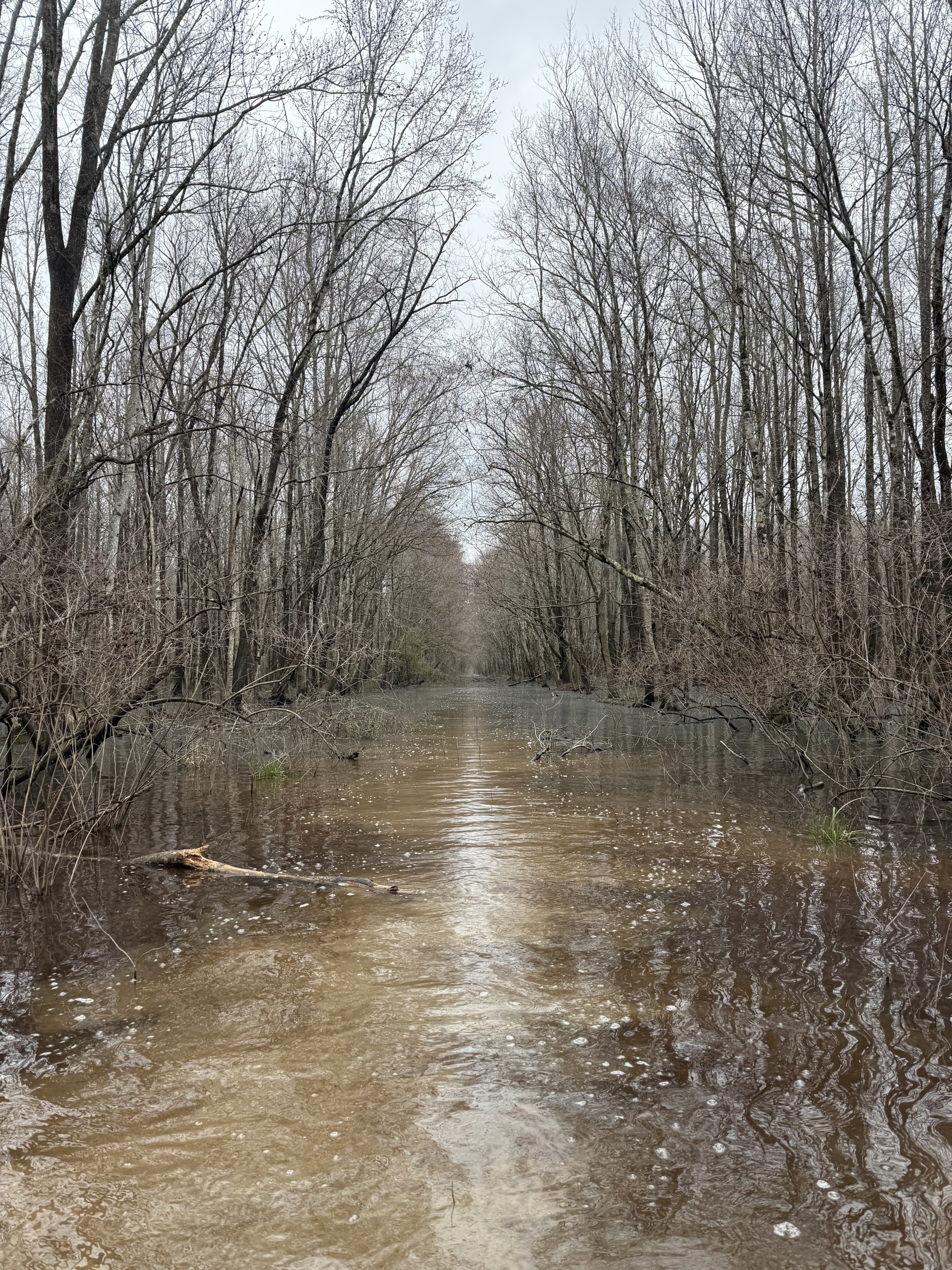
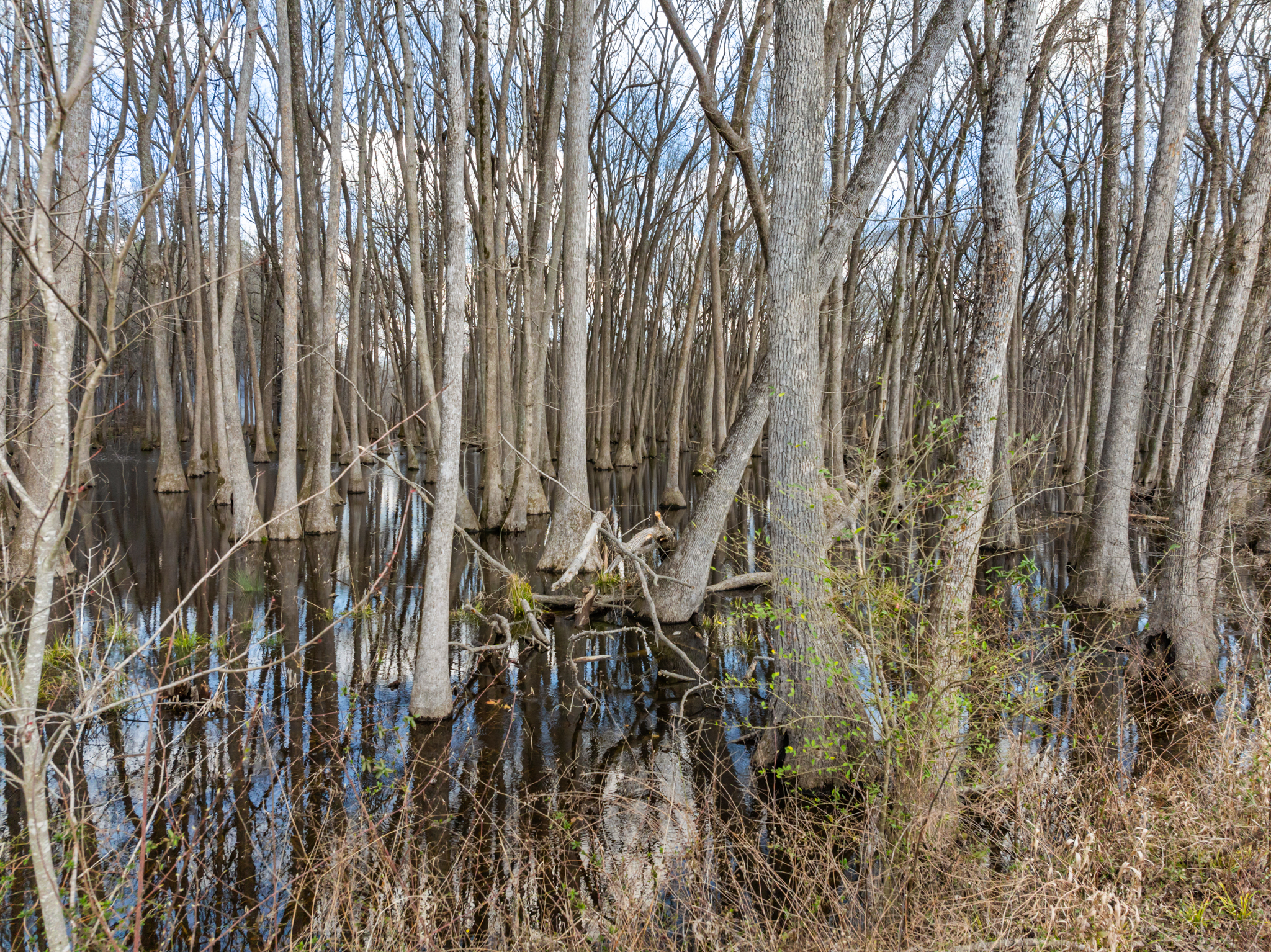
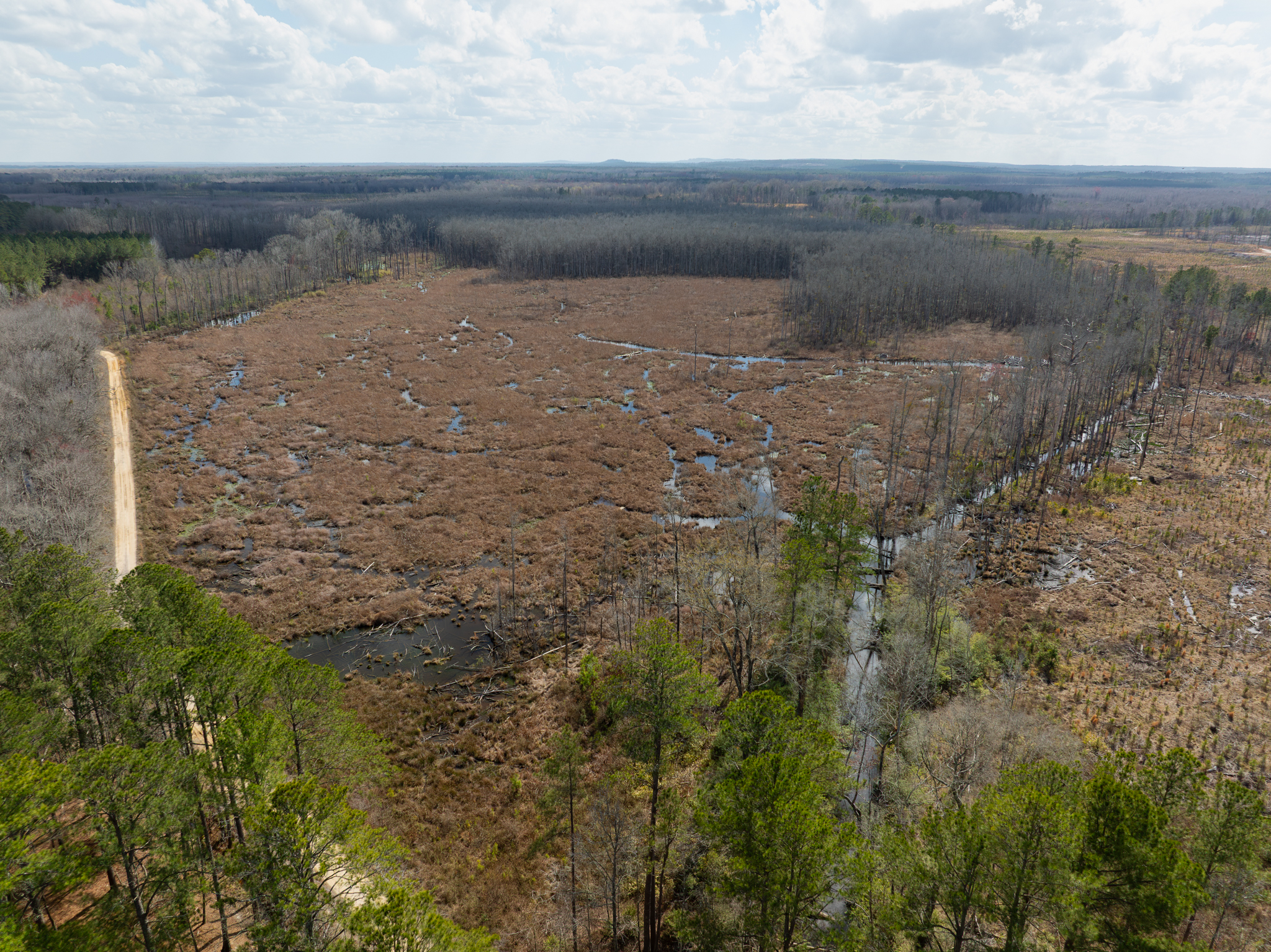
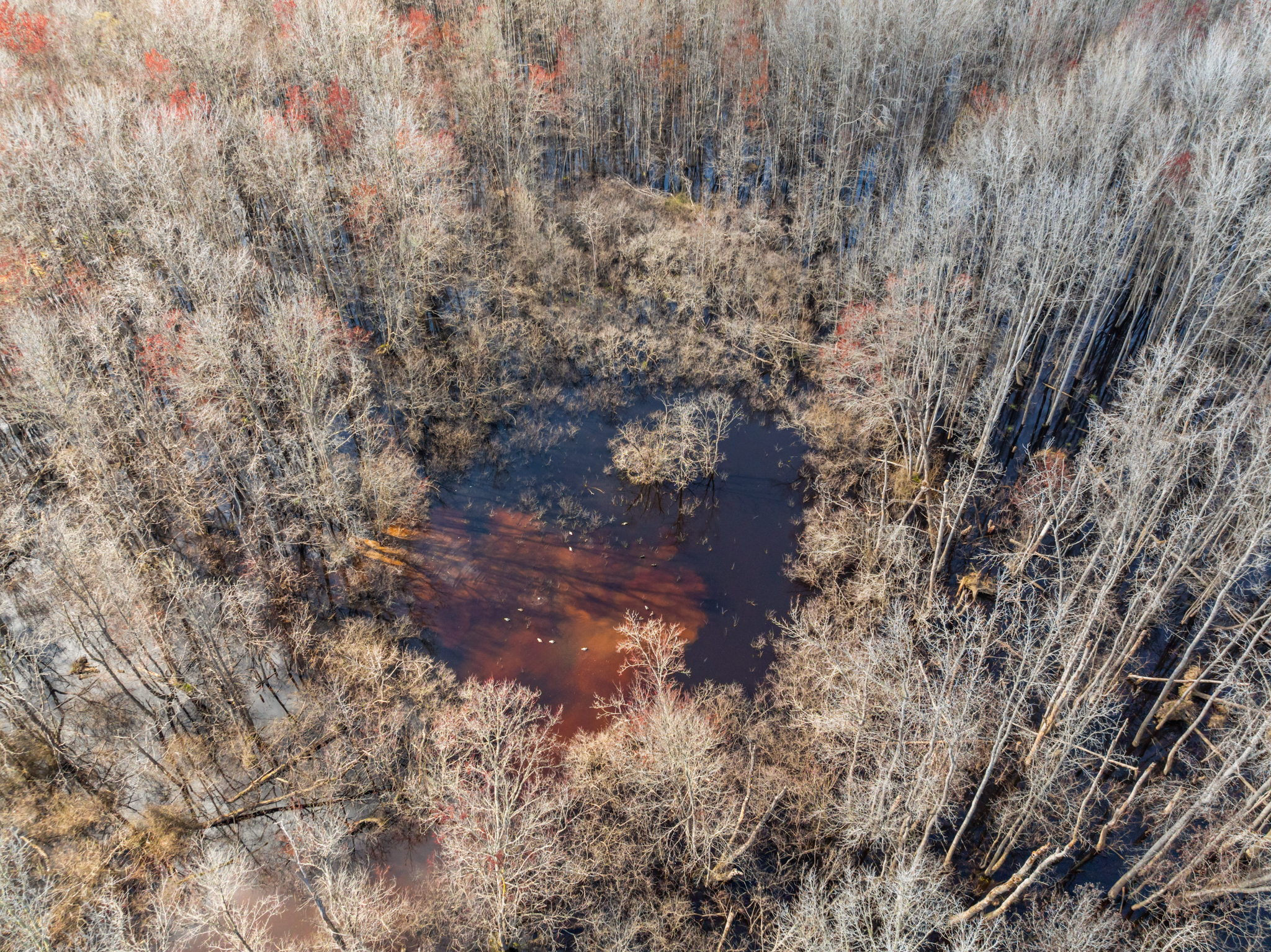
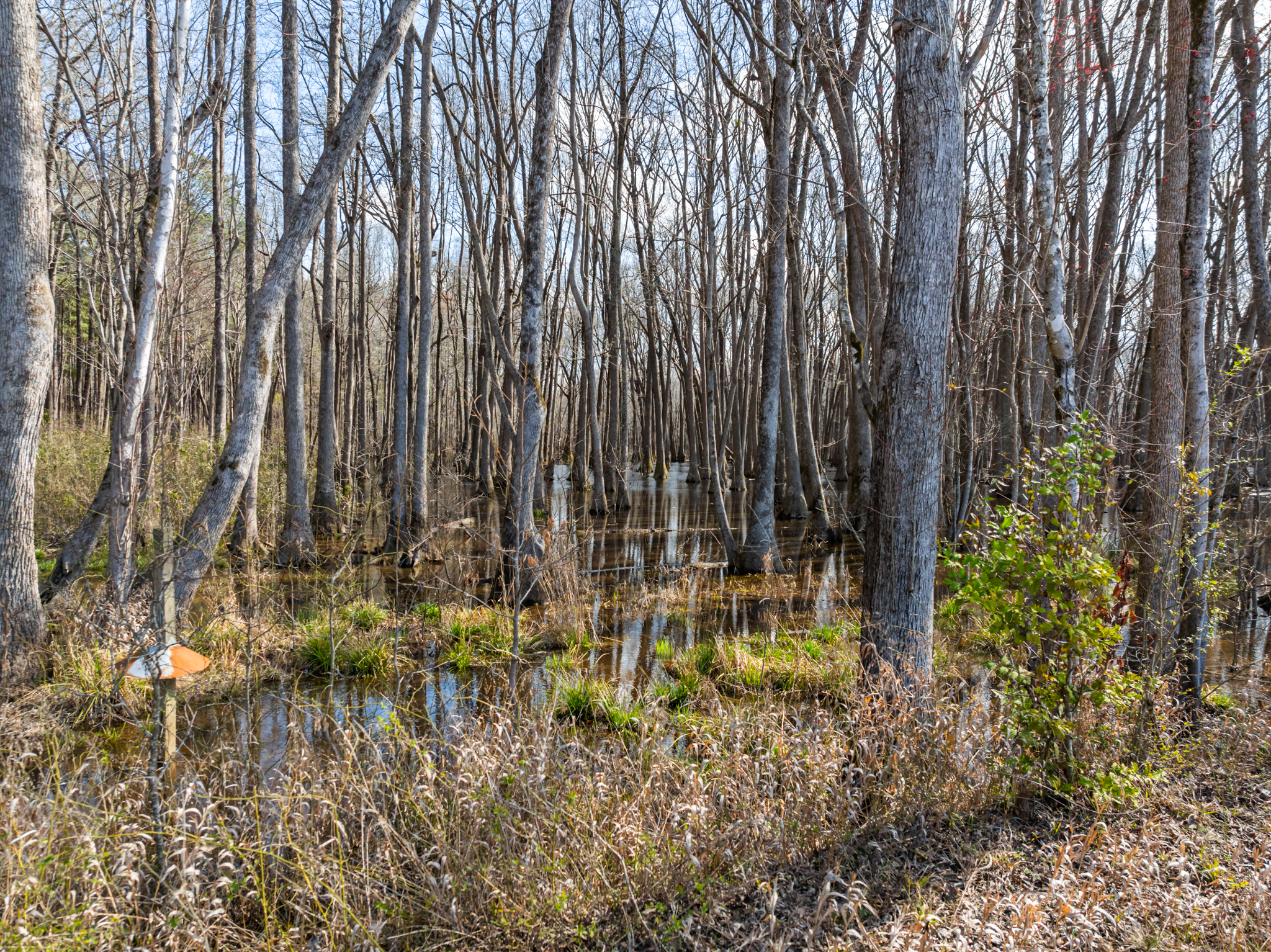
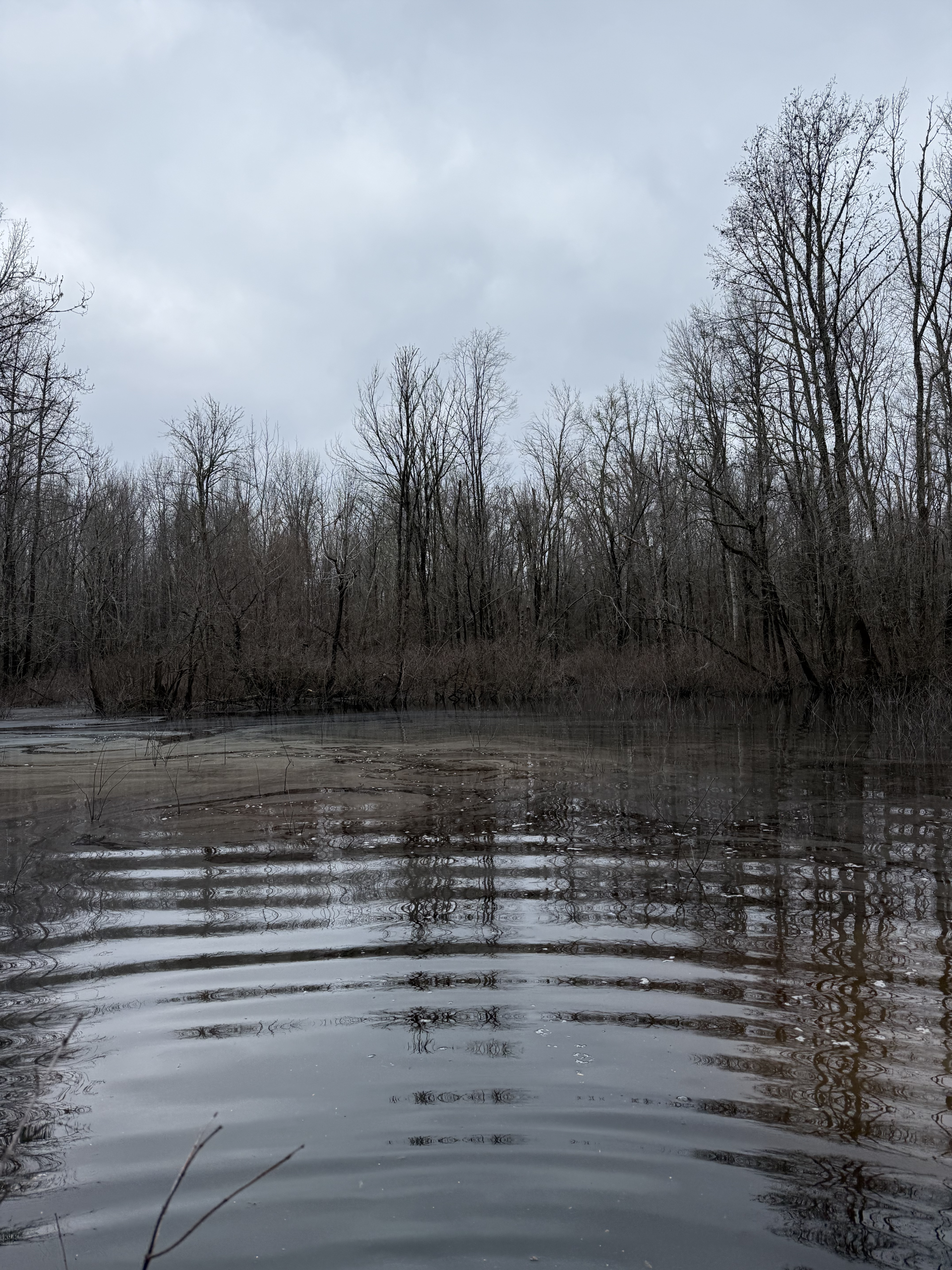
- Over 100± acres of flooded green timber and dense buckbrush, reminiscent of classic Arkansas timber hunting
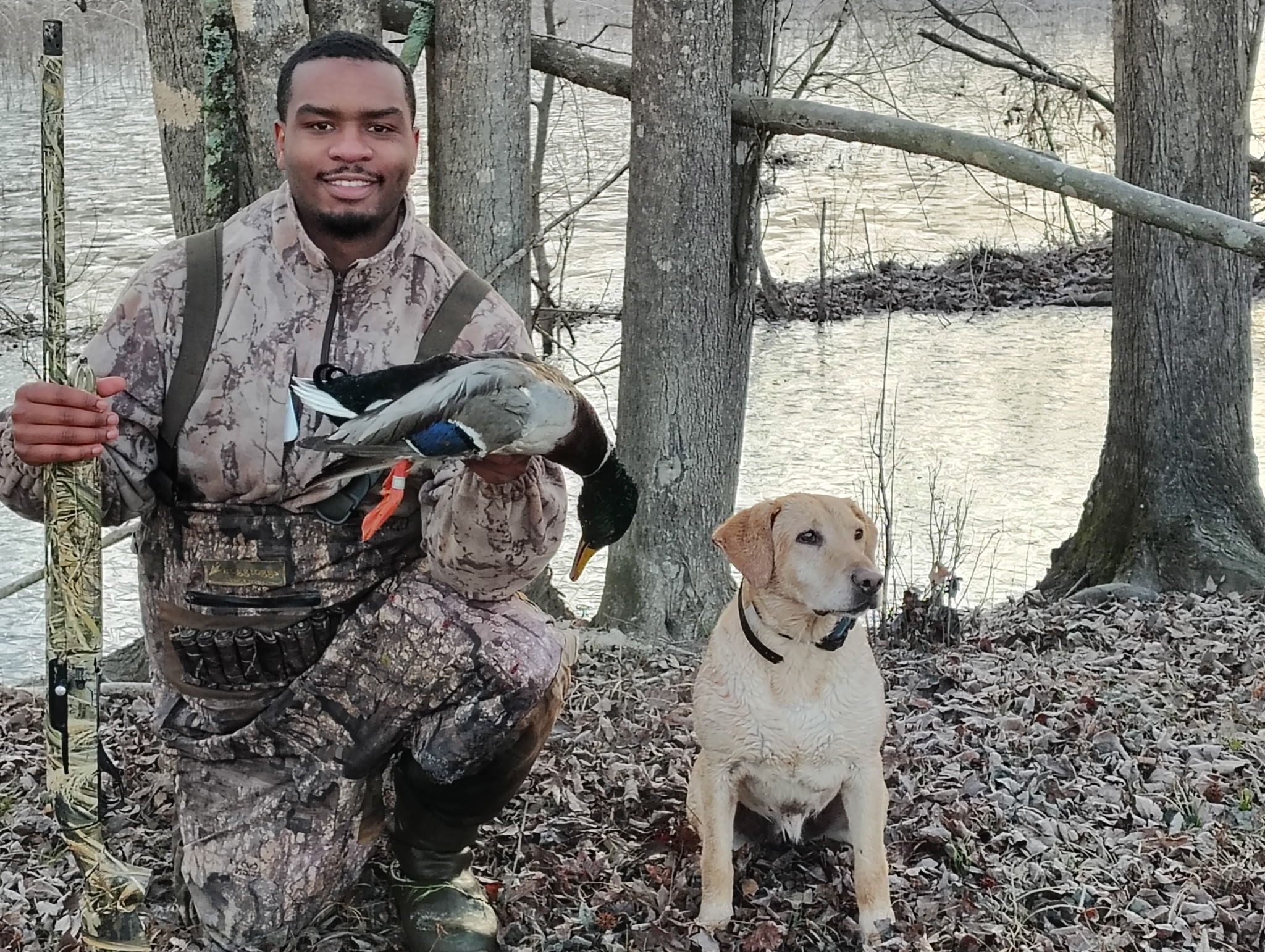
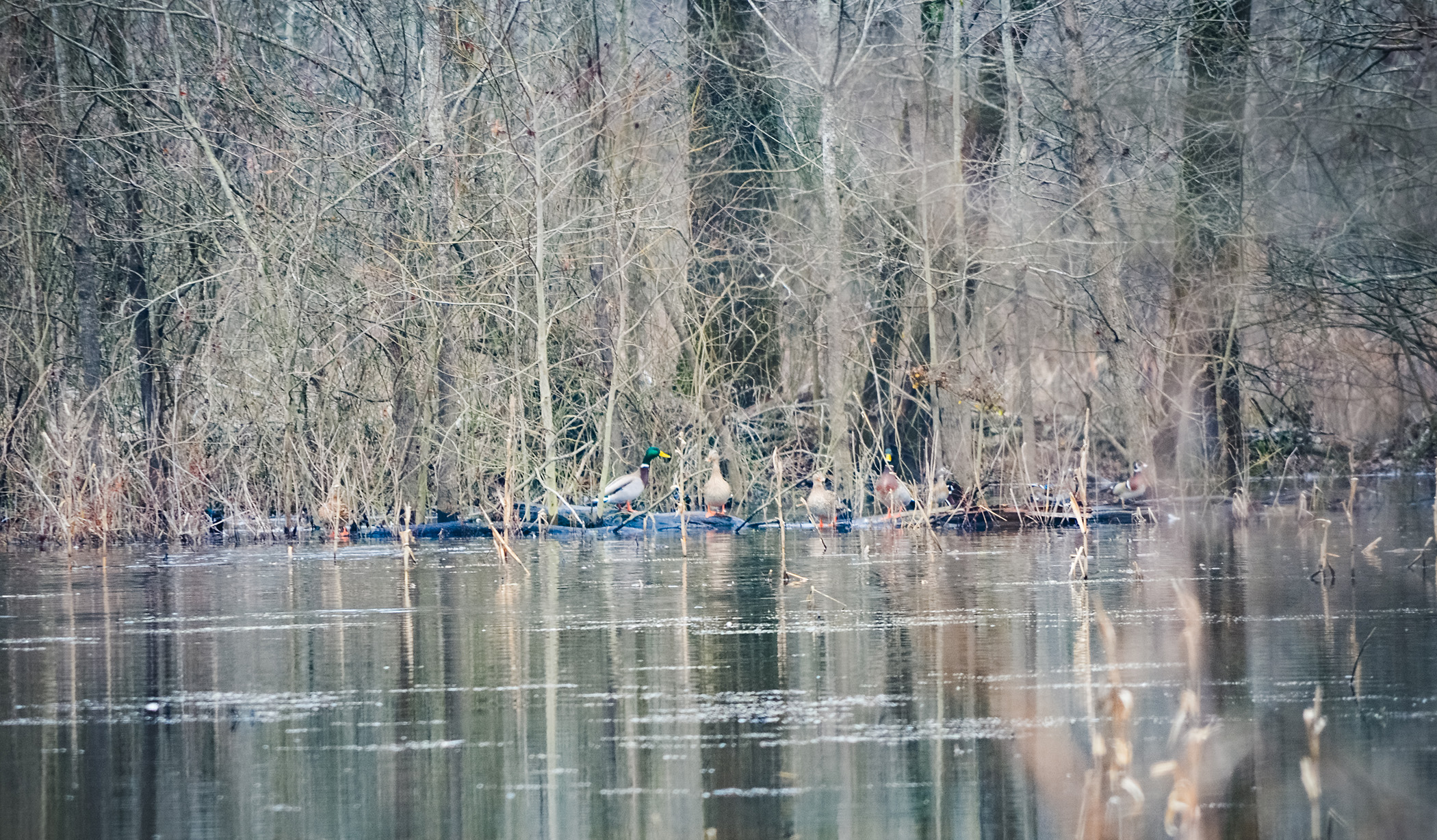
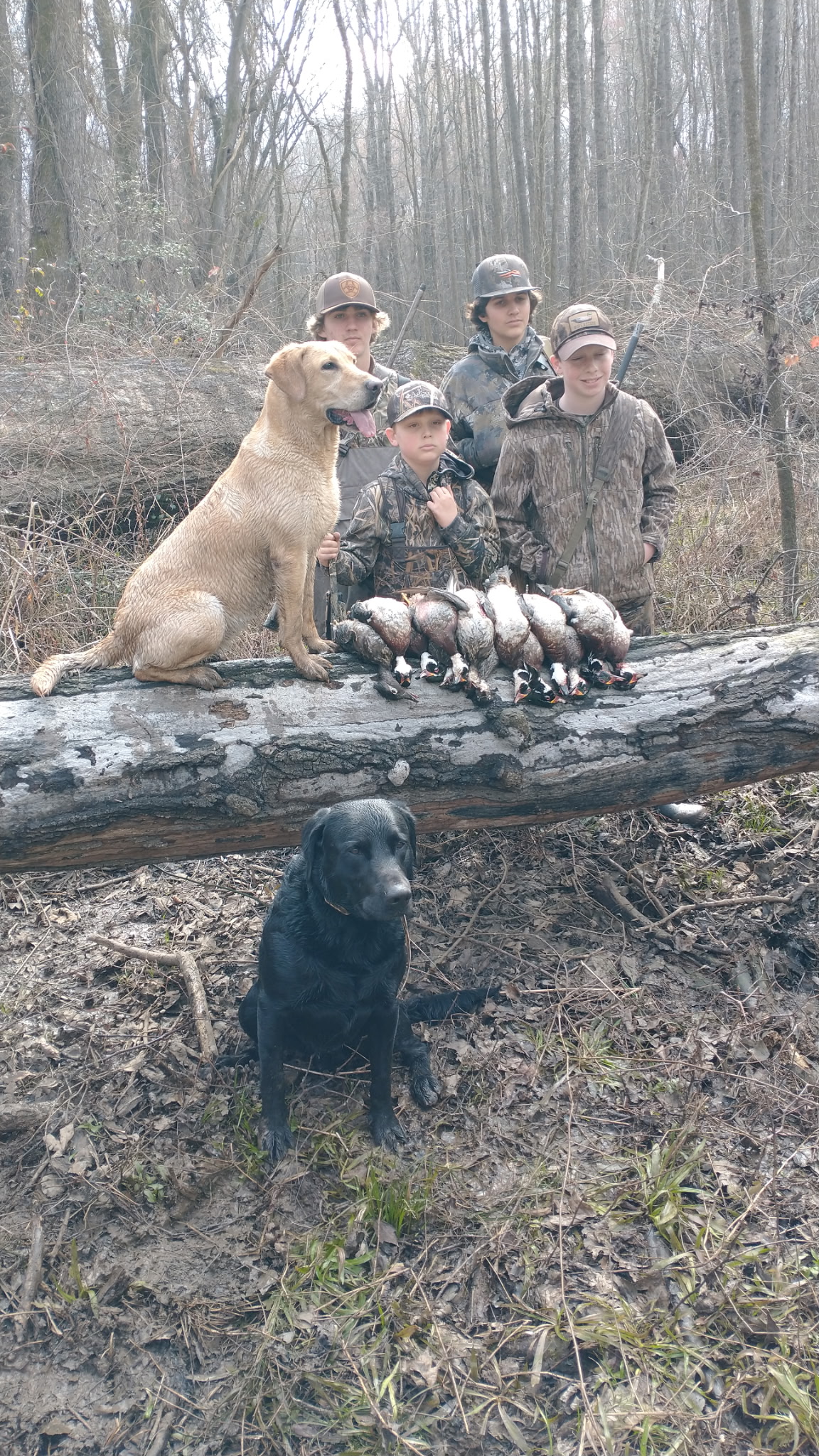
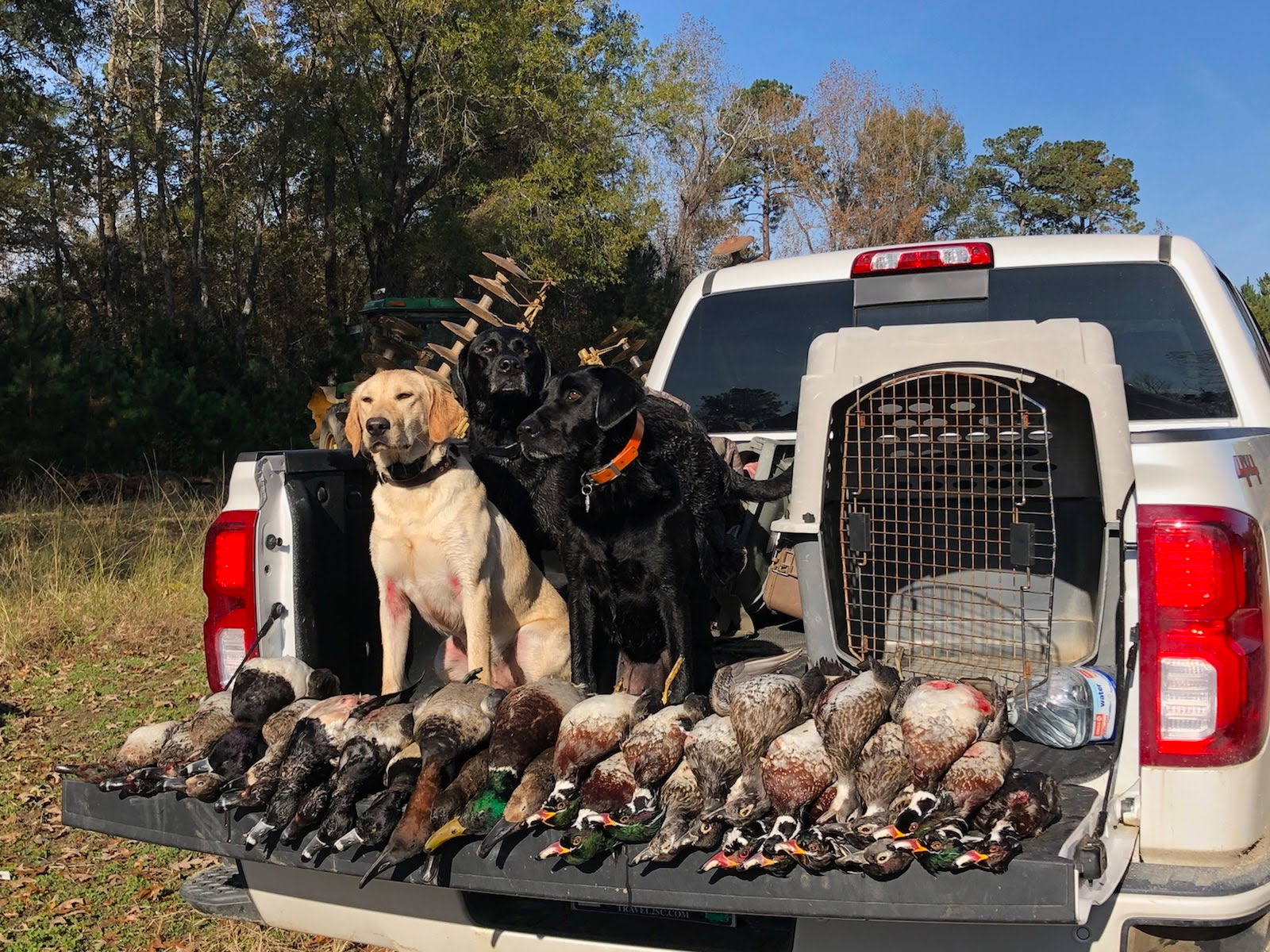
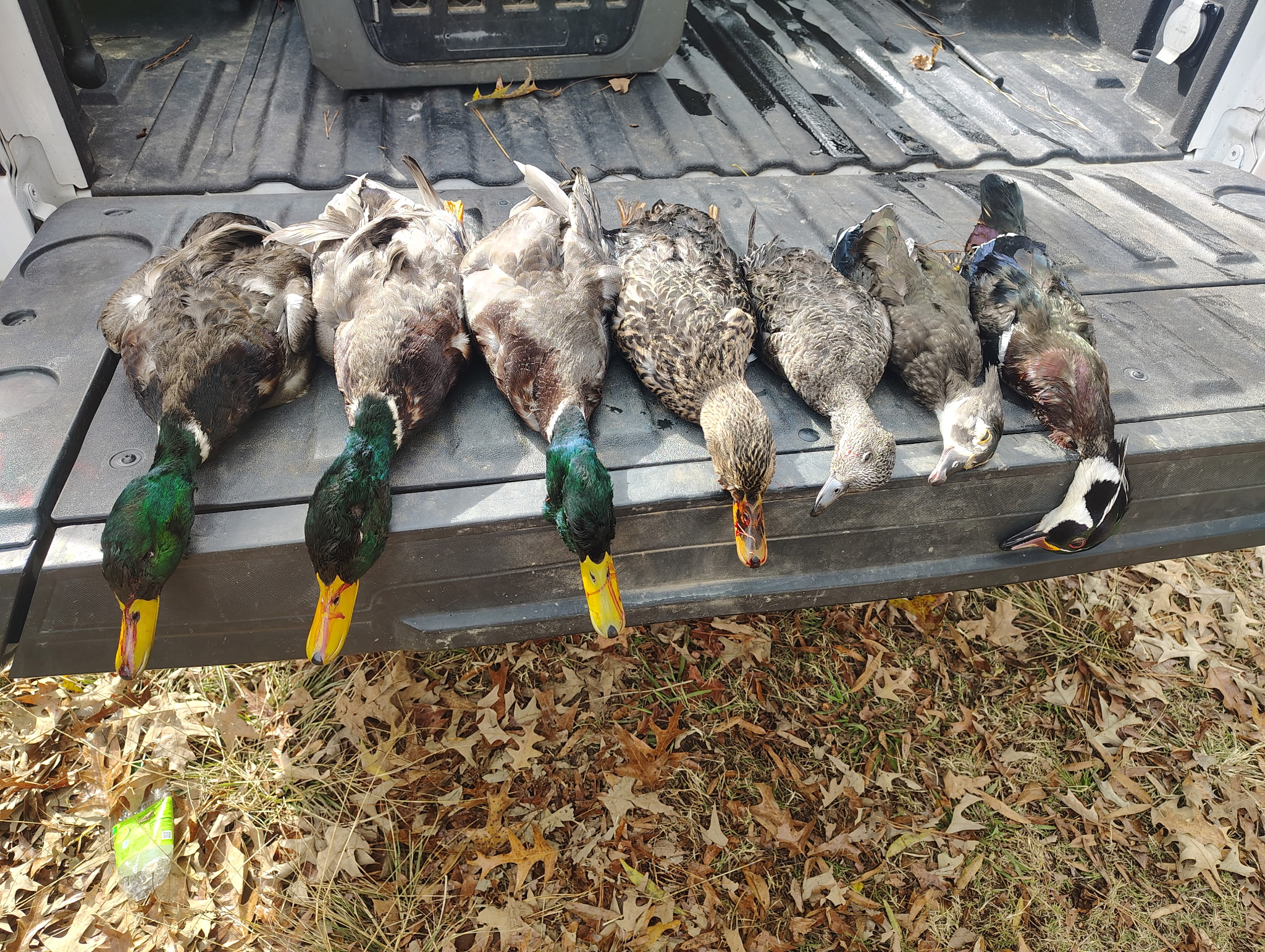
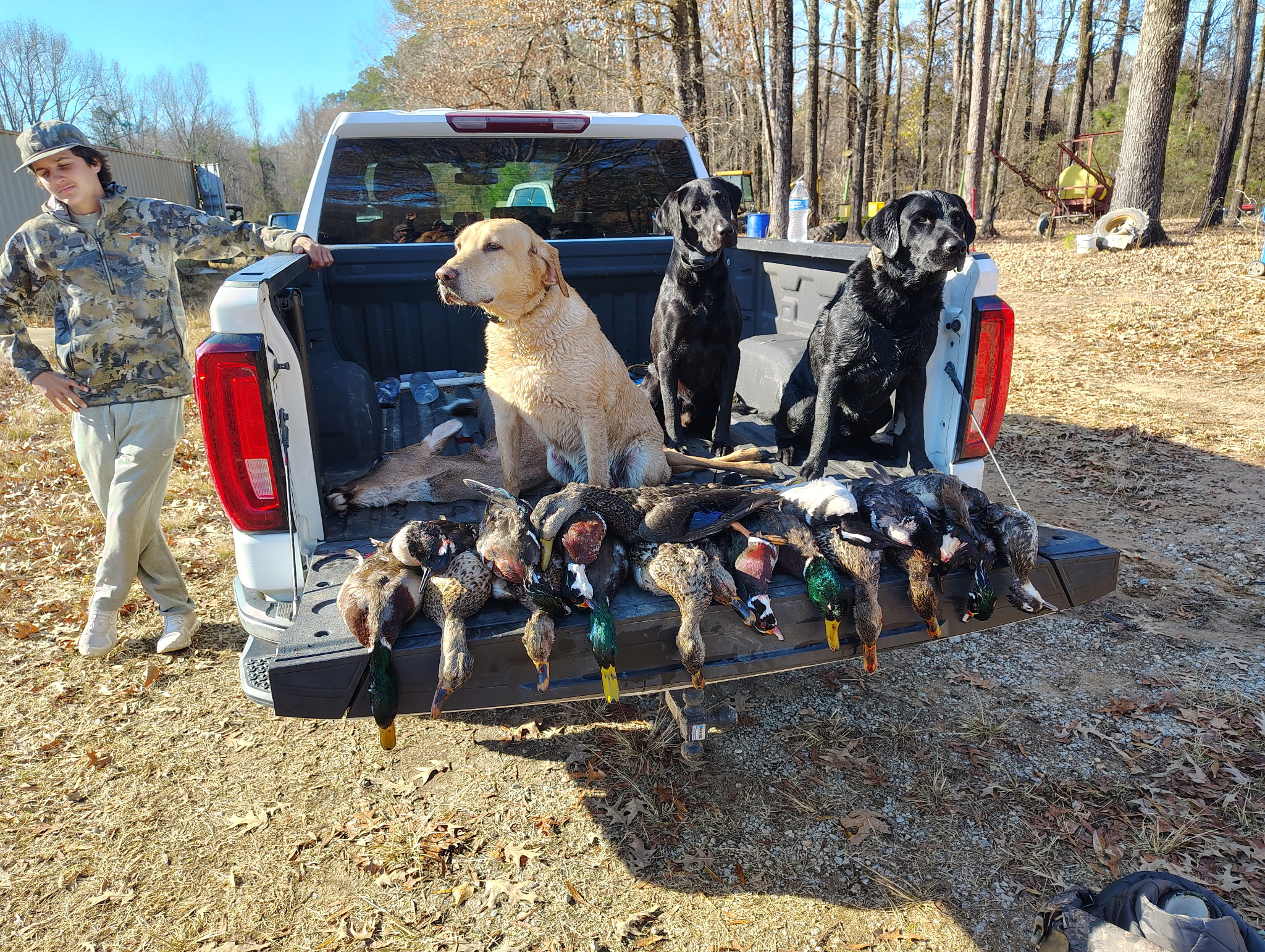
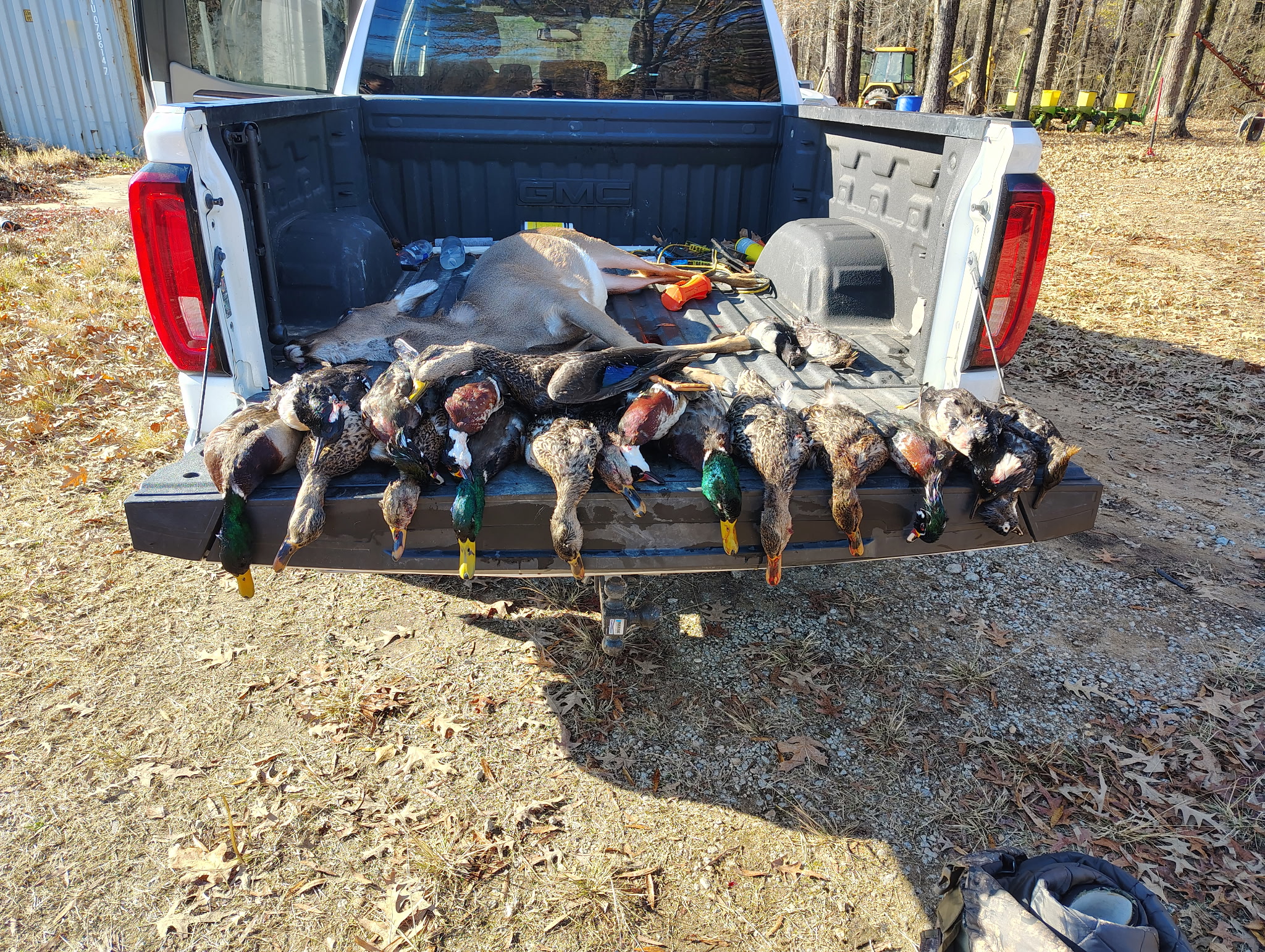
- Exceptional waterfowl diversity, with up to 11 duck species harvested during a single hunt
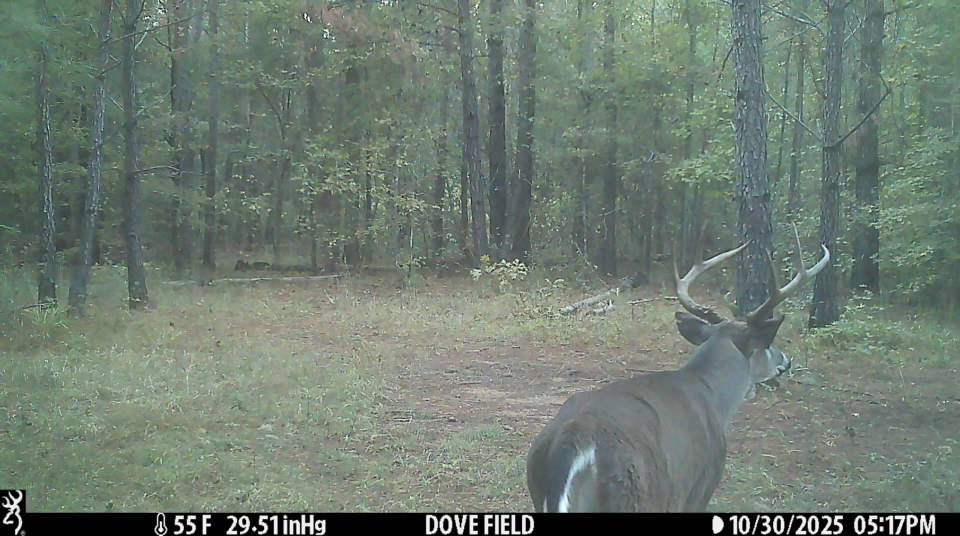
- Dedicated 5± acre dove field providing additional seasonal hunting opportunity
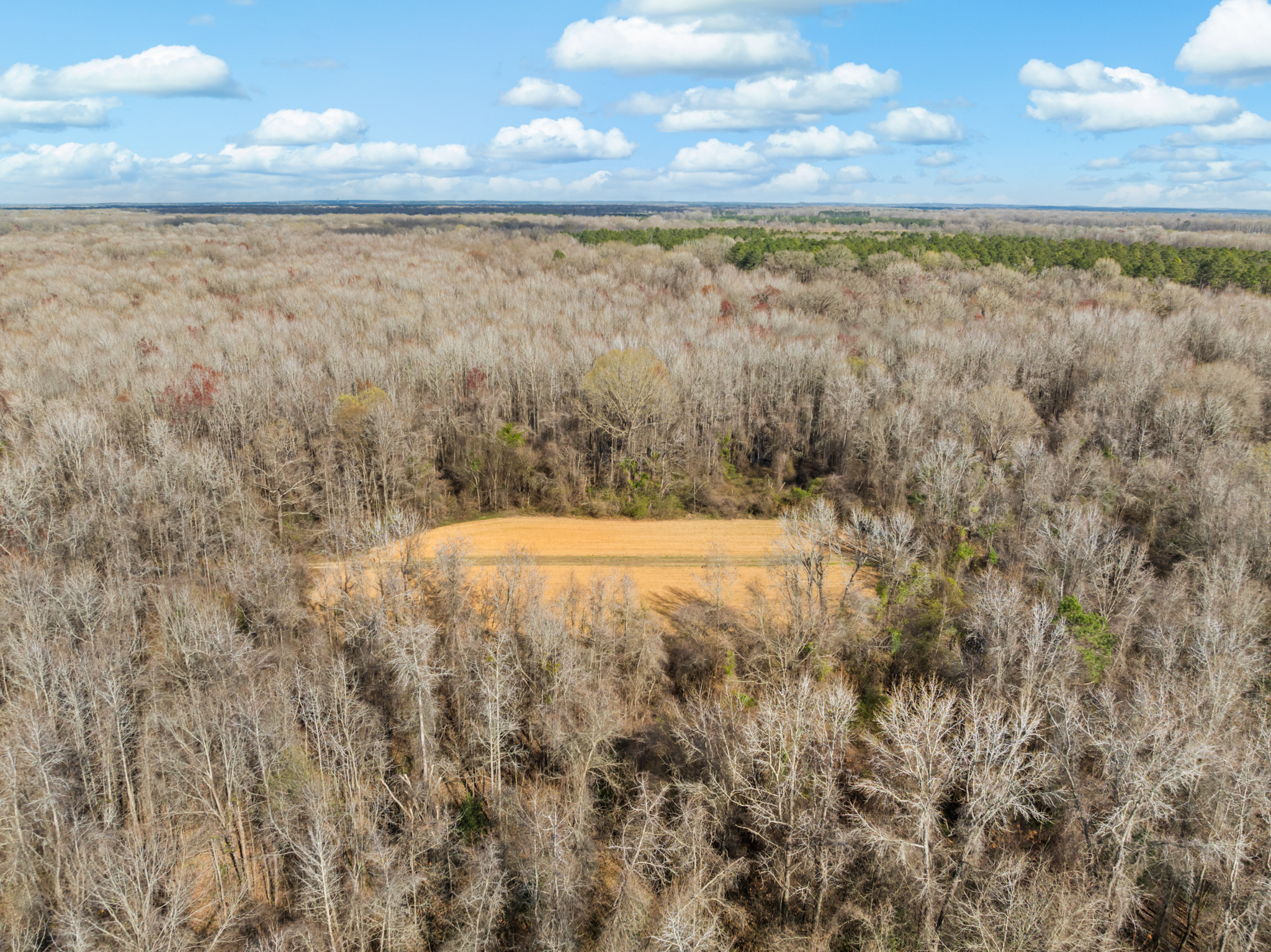
- Approximately 10± acres of established upland food plots for deer and turkey
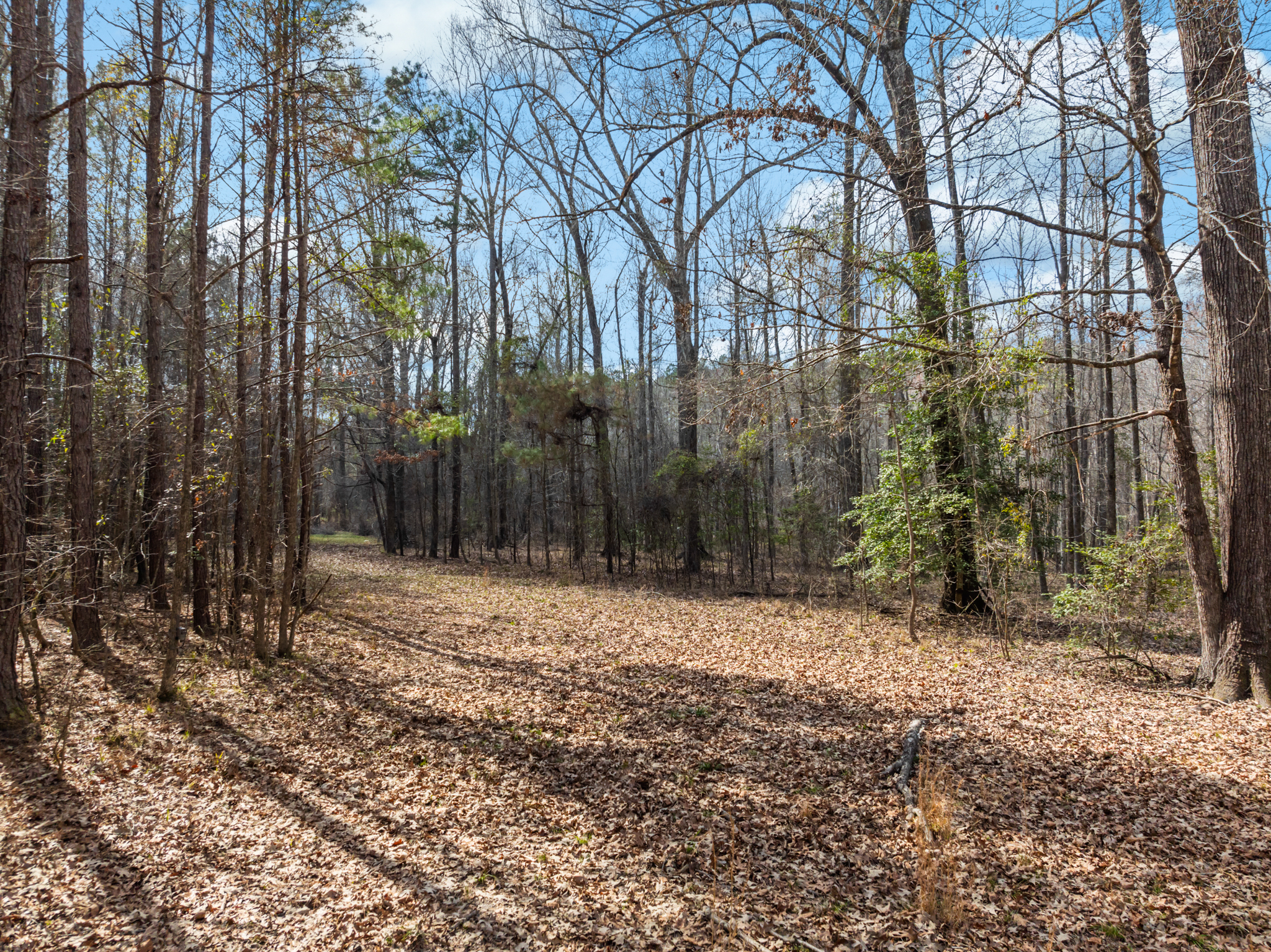
- 100± acres of mature pine timber
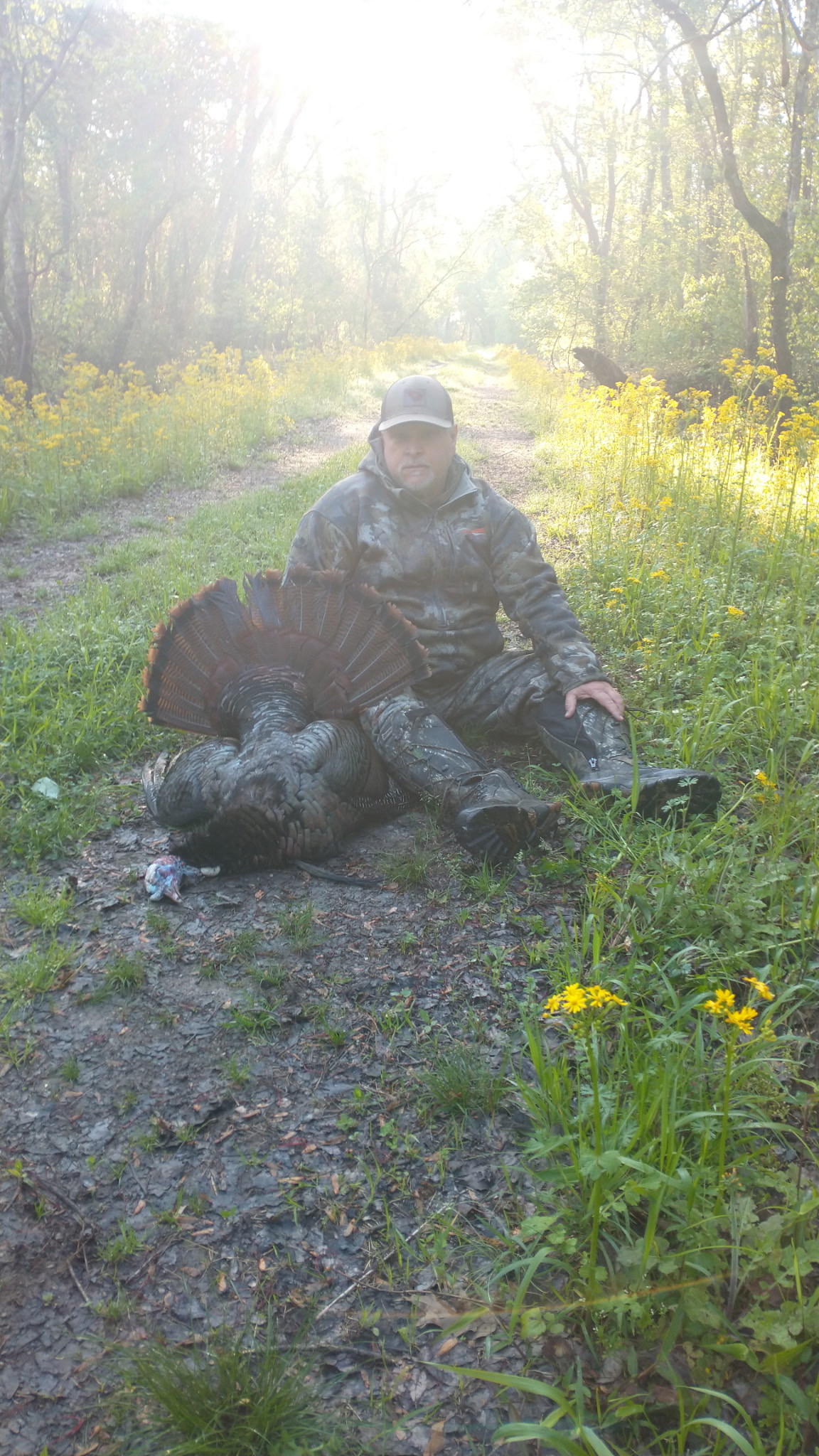
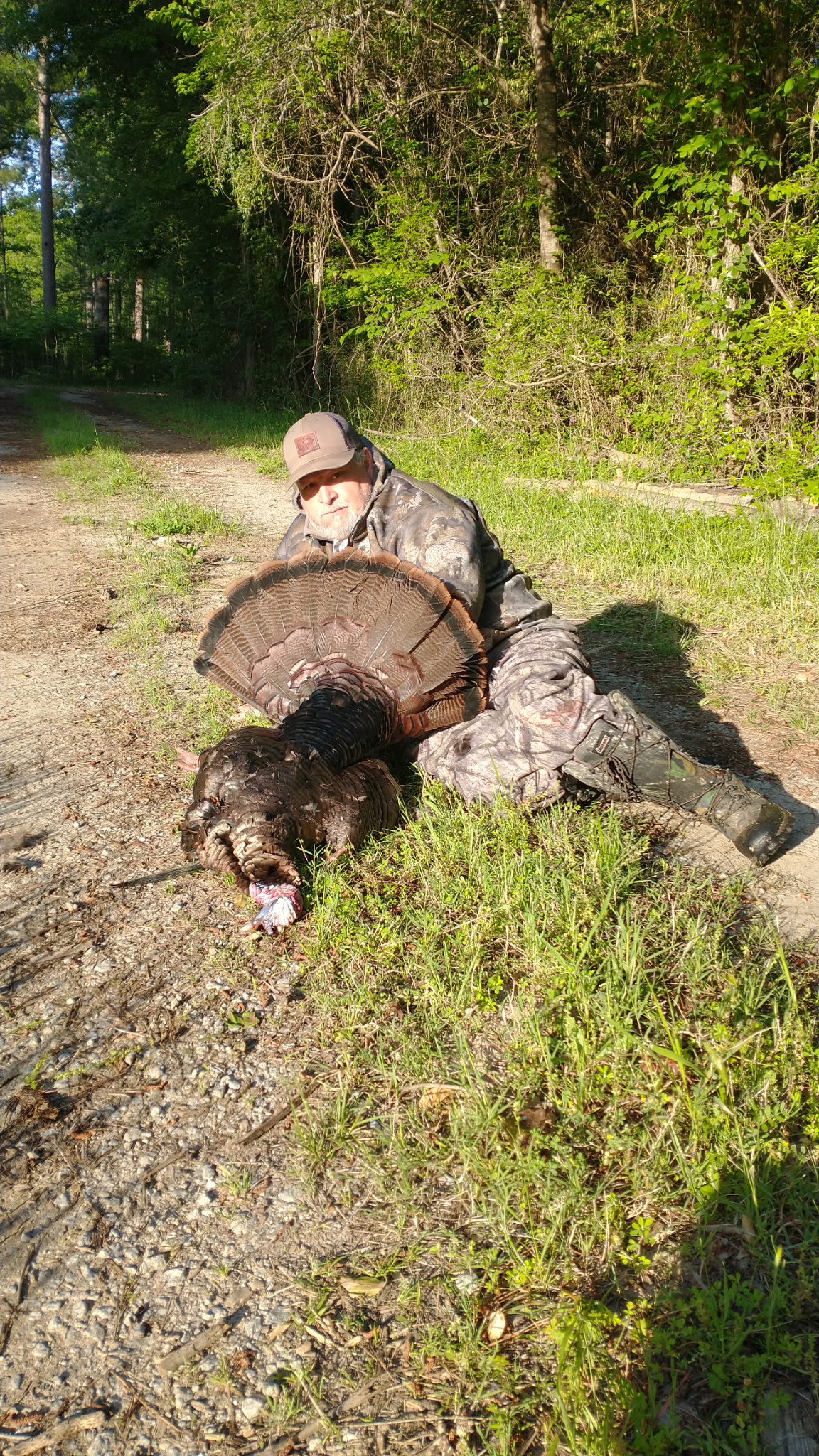
- World-class turkey hunting complemented by strong whitetail deer populations
- Situated in a highly regarded, well-managed neighborhood near notable properties such as Lugoff Farms and Bluelands
- Convenient access — approximately 30 minutes to Columbia, 13 minutes to Historic Camden, and 1.5 hours to Charlotte, NC
- Offered in its entirety for $6M or divided; 675-acre portion for $2,025,000
Situated along the renowned Wateree River corridor, Twin Roads represents one of the most compelling waterfowl and multi-species sporting properties in South Carolina. Spanning 906± acres in Kershaw County, the property lies within an elite neighborhood of legacy sporting lands — including the renowned Bluelands Plantation and Mulberry Plantation — that together define one of the most productive waterfowl corridors in the Palmetto State.
 The current owners know this ground as well as anyone alive. They leased properties around it for years before it ever came available — and when it did, they didn't hesitate.
"We've known about this property for all of our adult lives — how special this place was. We leased property around it for years and years before it came up for sale, and when it came up for sale, we bought it. Couldn't afford it then, but we bought it." - Landowner, Twin Roads
What followed was decades of disciplined, passionate stewardship. The result is a property that is not simply well-managed — it is exceptional in every measurable way.
Water. The Way Nature Intended.
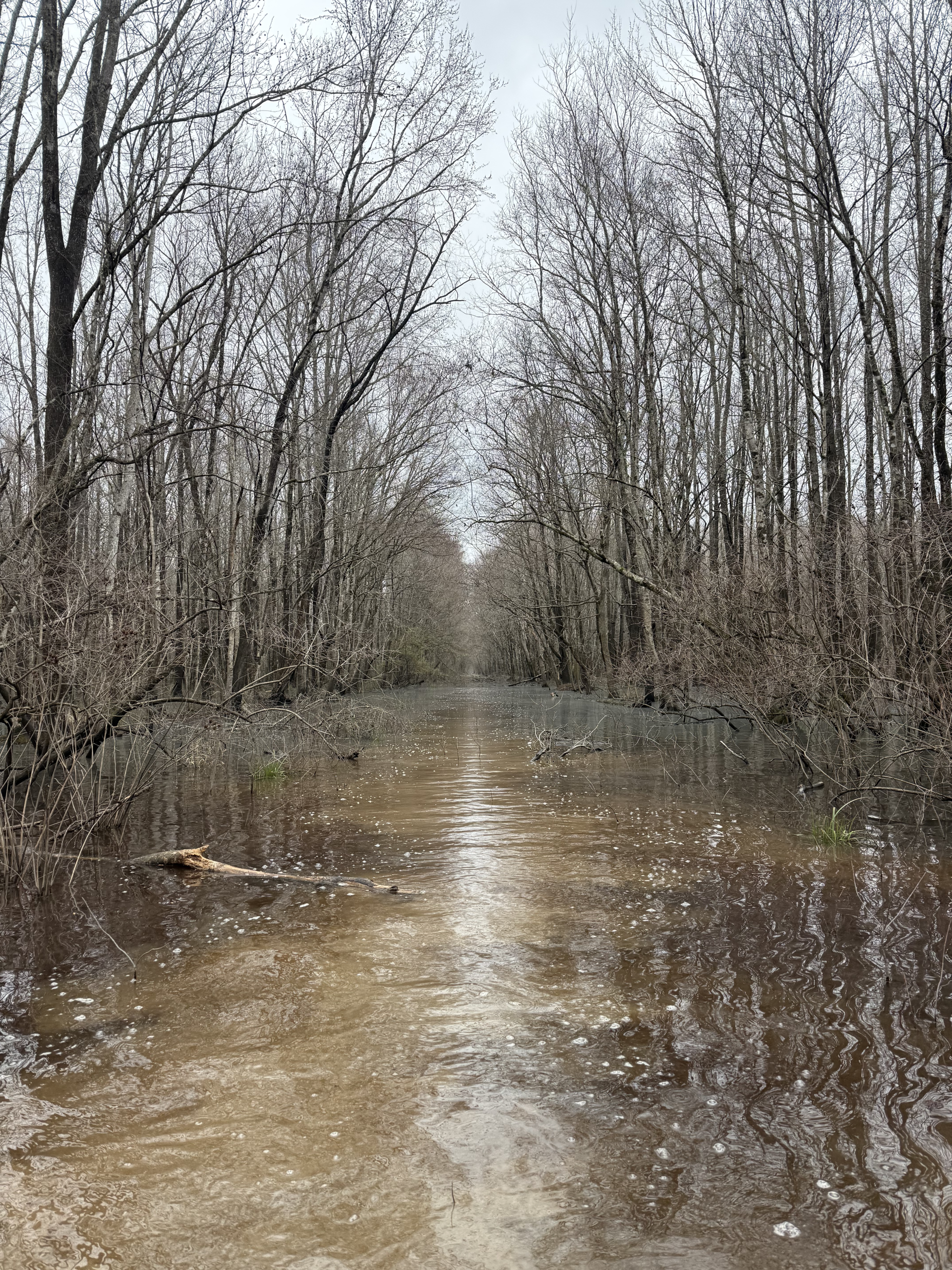
At its core, Twin Roads is defined by water. Positioned within a productive Atlantic Flyway and supported by an exceptional habitat system, the property consistently holds strong numbers of puddle ducks — including mallards and black ducks — throughout the season.
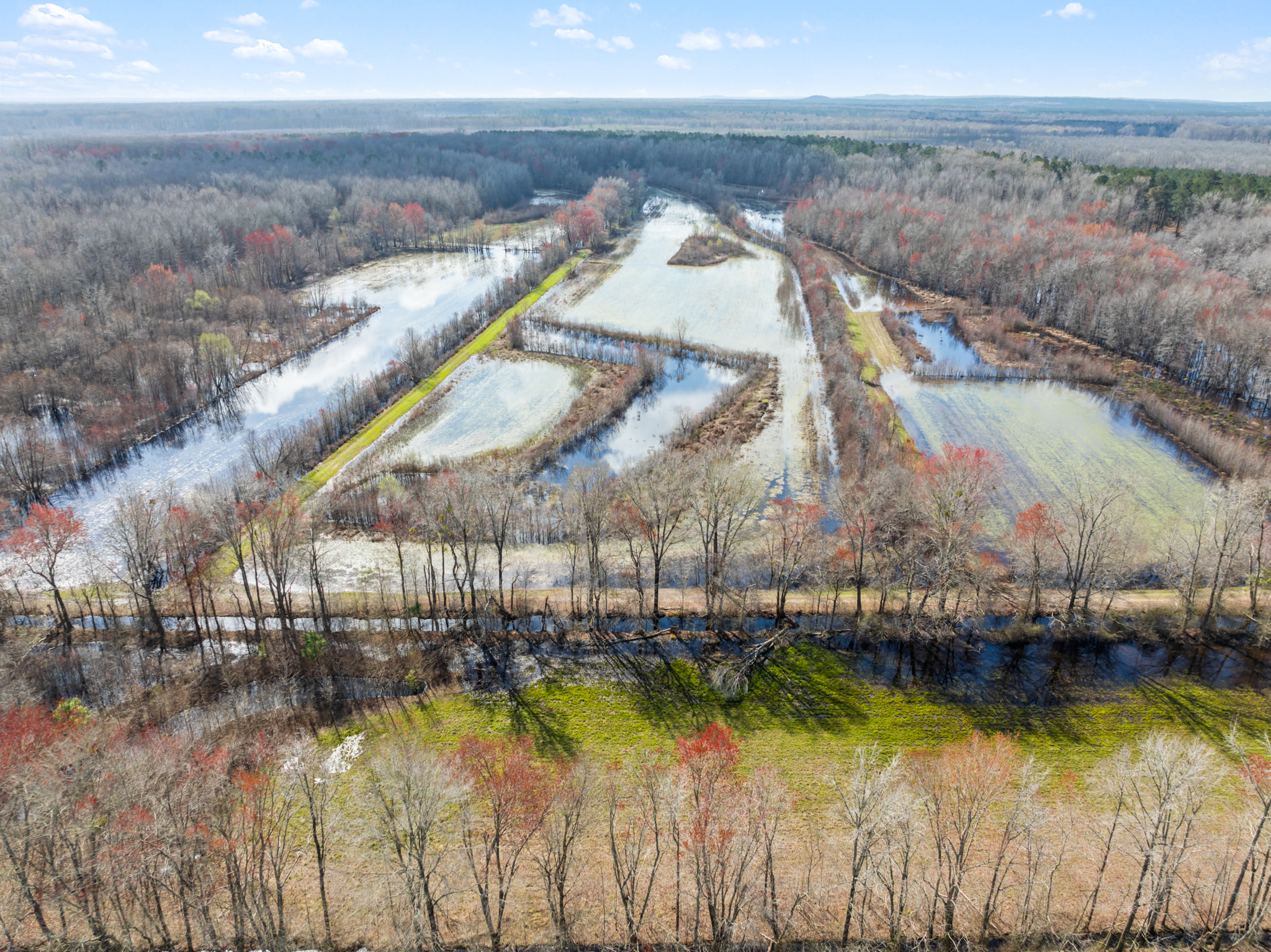
What truly separates Twin Roads from most comparable properties in the region is its rare passive gravity-fed water system. Gillie's Creek, a tributary of the Wateree River, flows directly onto the property — naturally flooding the primary impoundment, flooded hardwood timber, and connected water features at essentially zero operating cost.
"There's a tributary that comes off the Wateree River called Gillie's Creek which naturally feeds water onto this place. You have virtually zero expense in flooding — it's just a matter of throwing the boards in the flashboard risers." — Jon Kohler
"It's all gravity fed. We draw out of a creek that never dries up through a series of riser pipes. We've got about 35 to 40 acres that we keep water in year round. Typically with a one to two inch rain, we can fill it up in four to five days. You've got no pumps, no electricity — and occasionally you've got to fight a beaver — but it's pretty much free to fill up and maintain." - Landowner, Twin Roads
For serious waterfowl managers, this is an uncommon advantage that dramatically reduces operating costs while producing exceptional habitat.
The Hunting
The owners describe the system with the quiet confidence of men who have worked it for a generation:
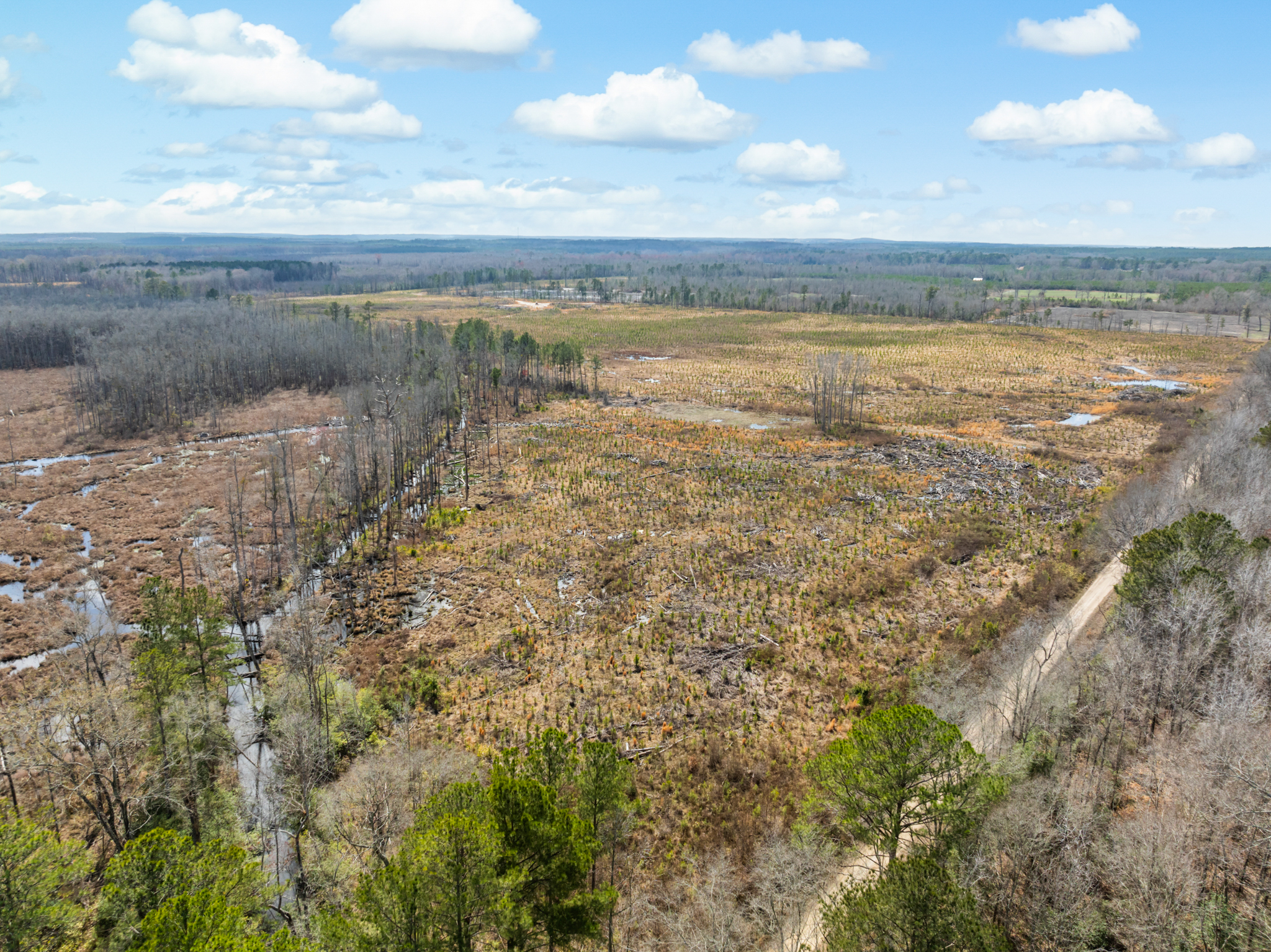
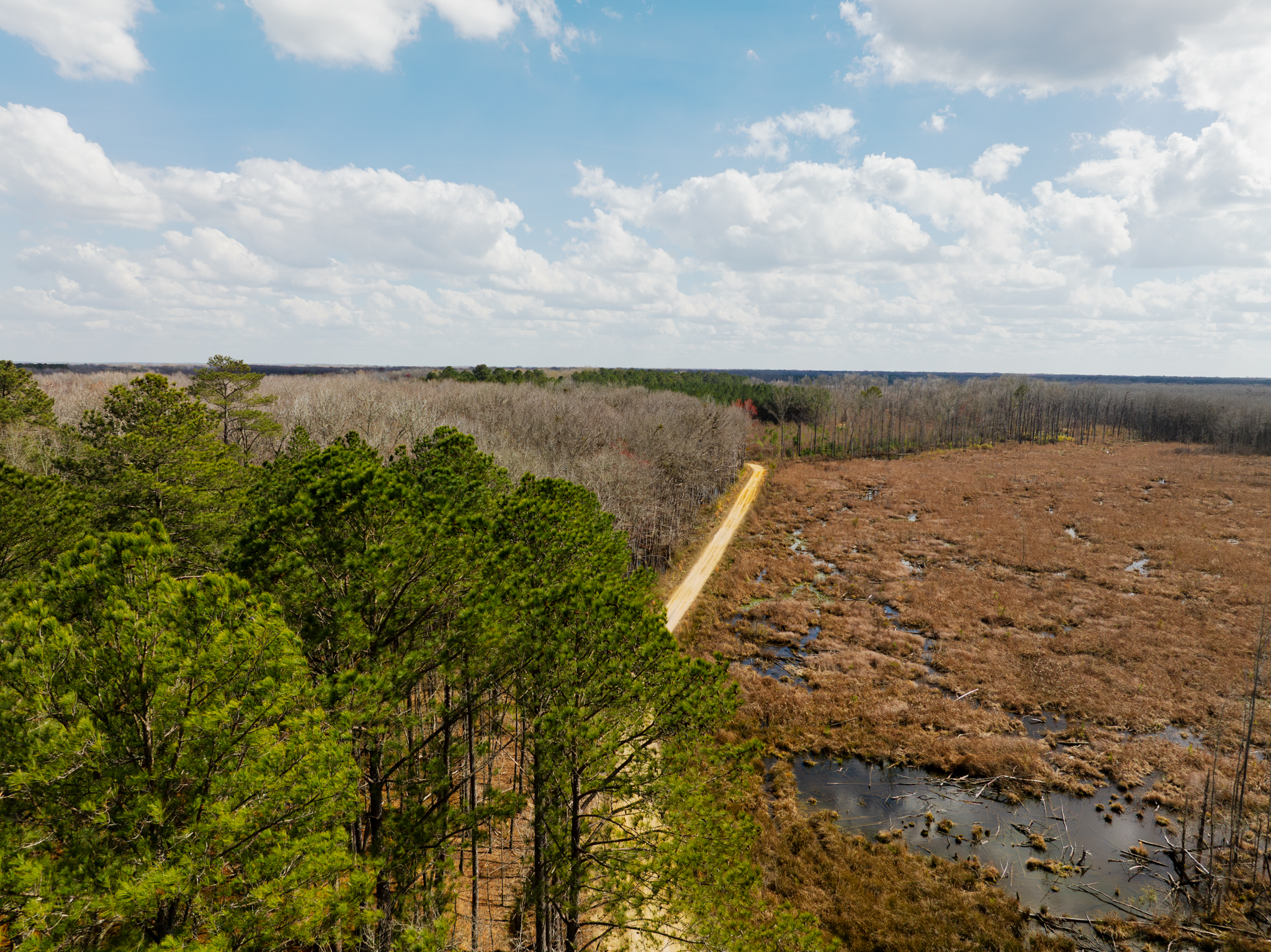
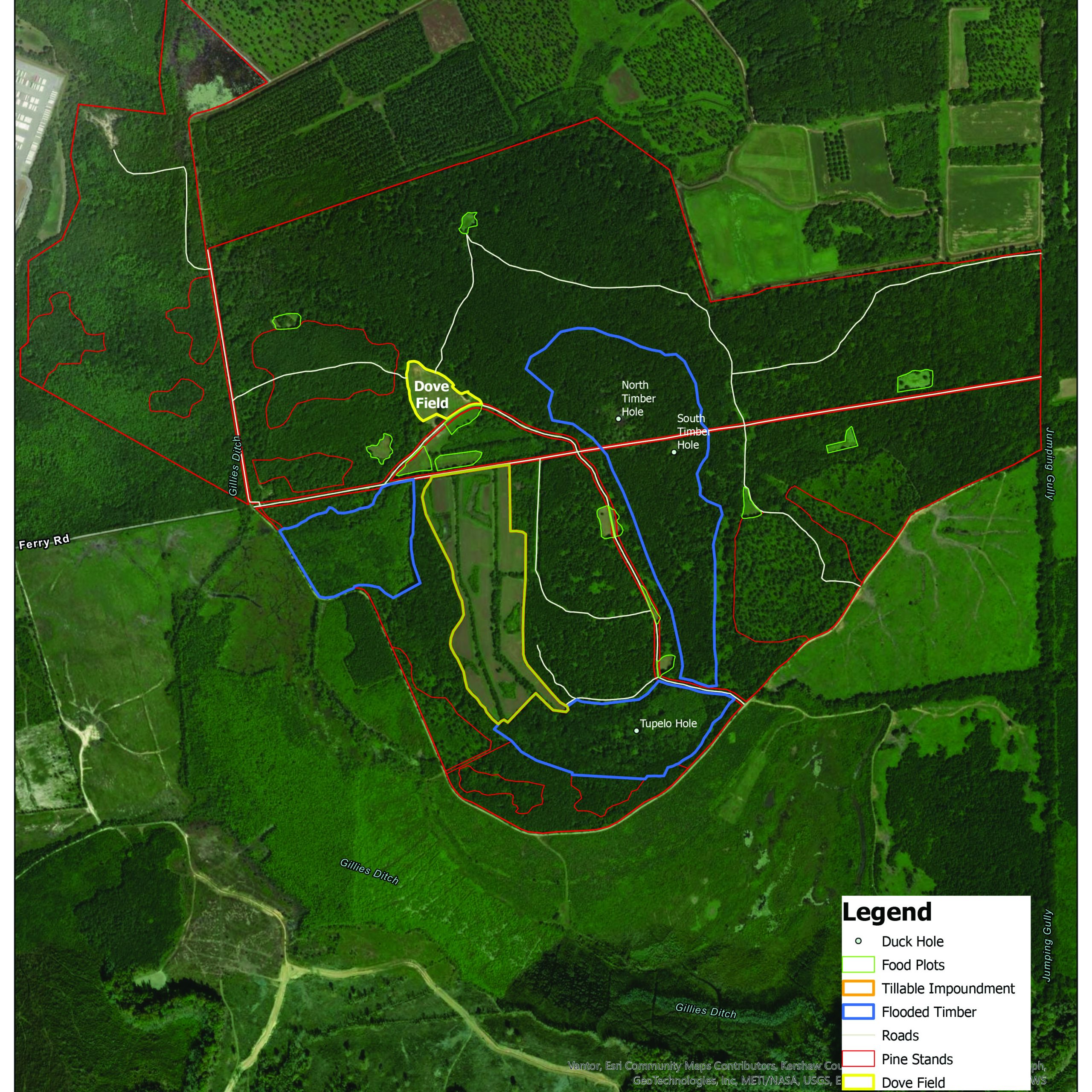
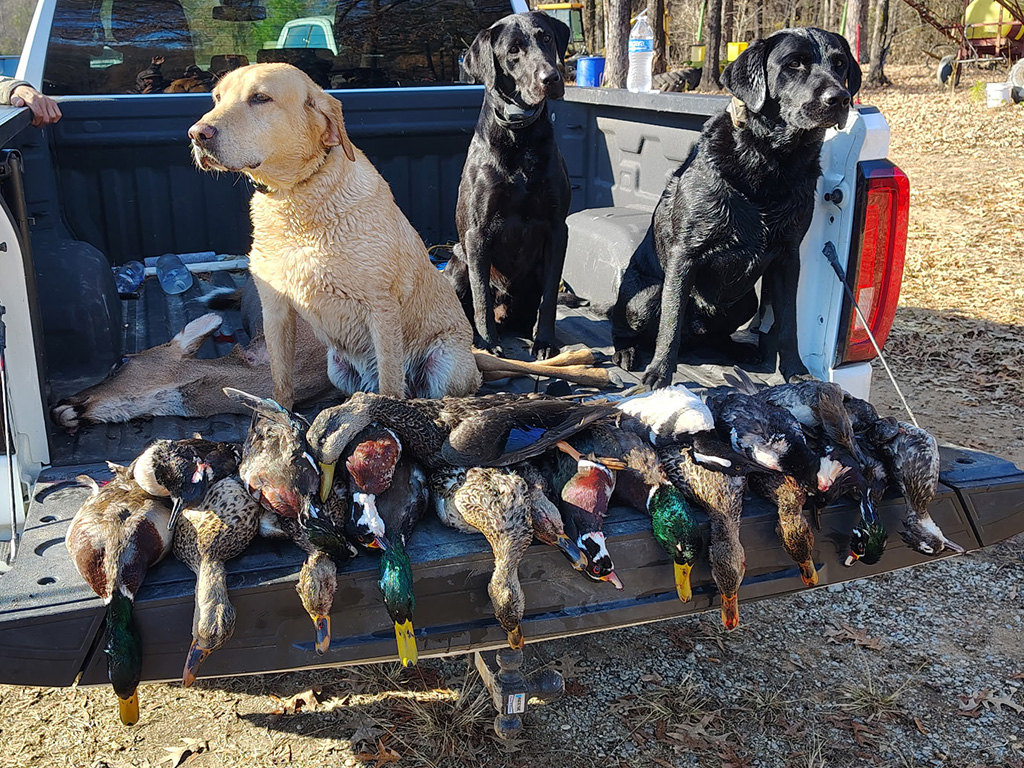 The wildlife profile at Twin Roads is exceptional across every season. Waterfowl hunting ranks among the finest on the Wateree, supported by a diverse system that includes a 38± acre managed impoundment complemented by more than 100± acres of flooded hardwood timber and buckbrush. A tupelo reserve totaling approximately 25± acres further enhances the habitat, creating outstanding feeding, loafing, and roosting opportunities capable of holding multiple duck species throughout the season.
The flooded timber experience here is unlike anything most South Carolina hunters have encountered.
"We've got 45 acres of flooded green timber that we control and it is a sight to behold when those ducks come tipping down through those trees. In total we have about 130 to 150 acres underwater during duck season — flooded corn, buckbrush, tupelo swamp, black gum, and natural holes." - Landowner, Twin Roads
This is not a typical South Carolina impoundment hunt. There are no permanent blinds. The ducks move, and hunters move with them — scouting days in advance, reading the birds, hunting timber the way it was done in Arkansas a generation ago.
"We scout a couple of days before and see where the ducks are — that's where we go. We're standing in the timber without blinds. It's like old-style Mississippi Delta, Arkansas-type hunting." - Landowner, Twin Roads
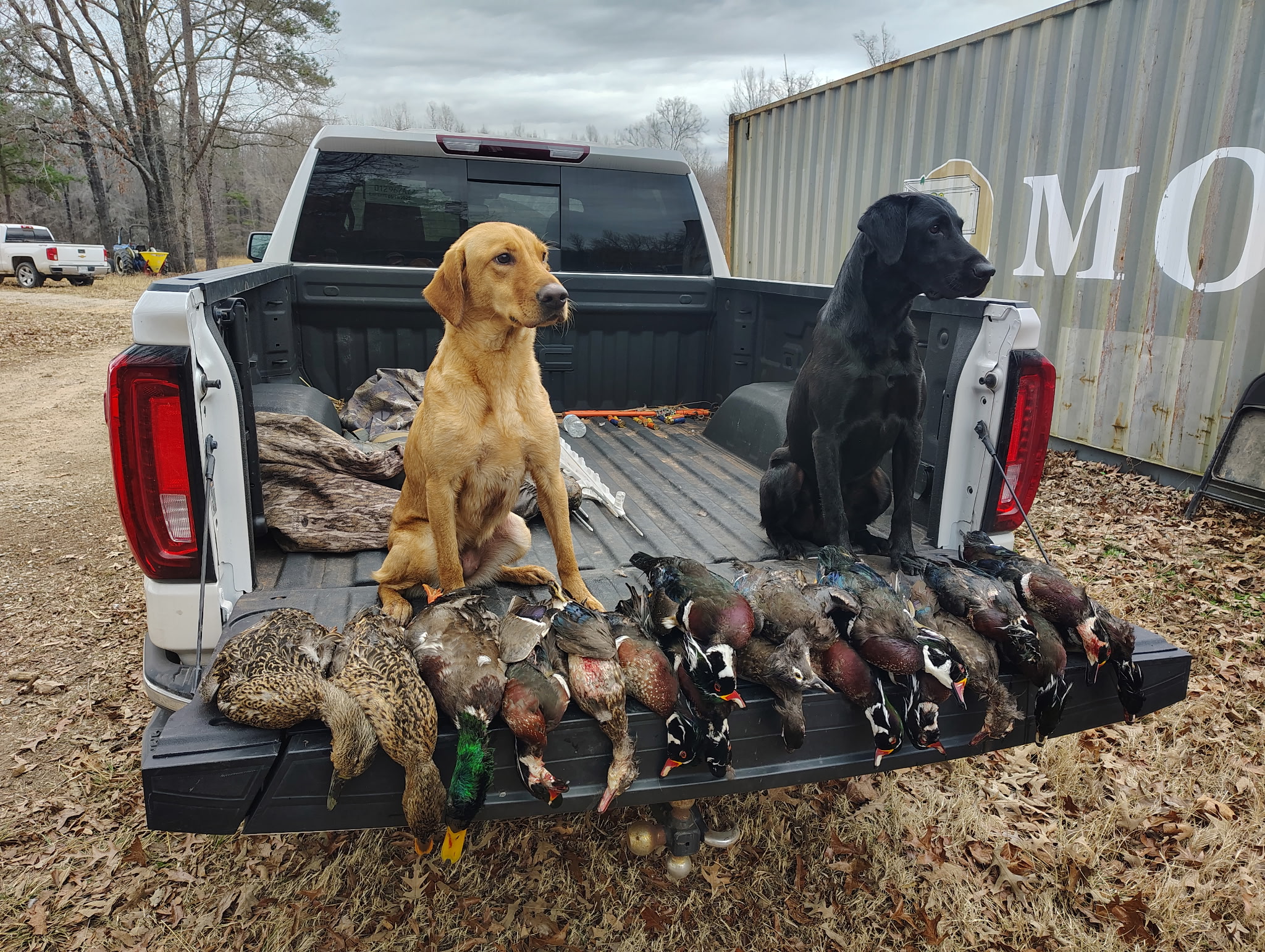
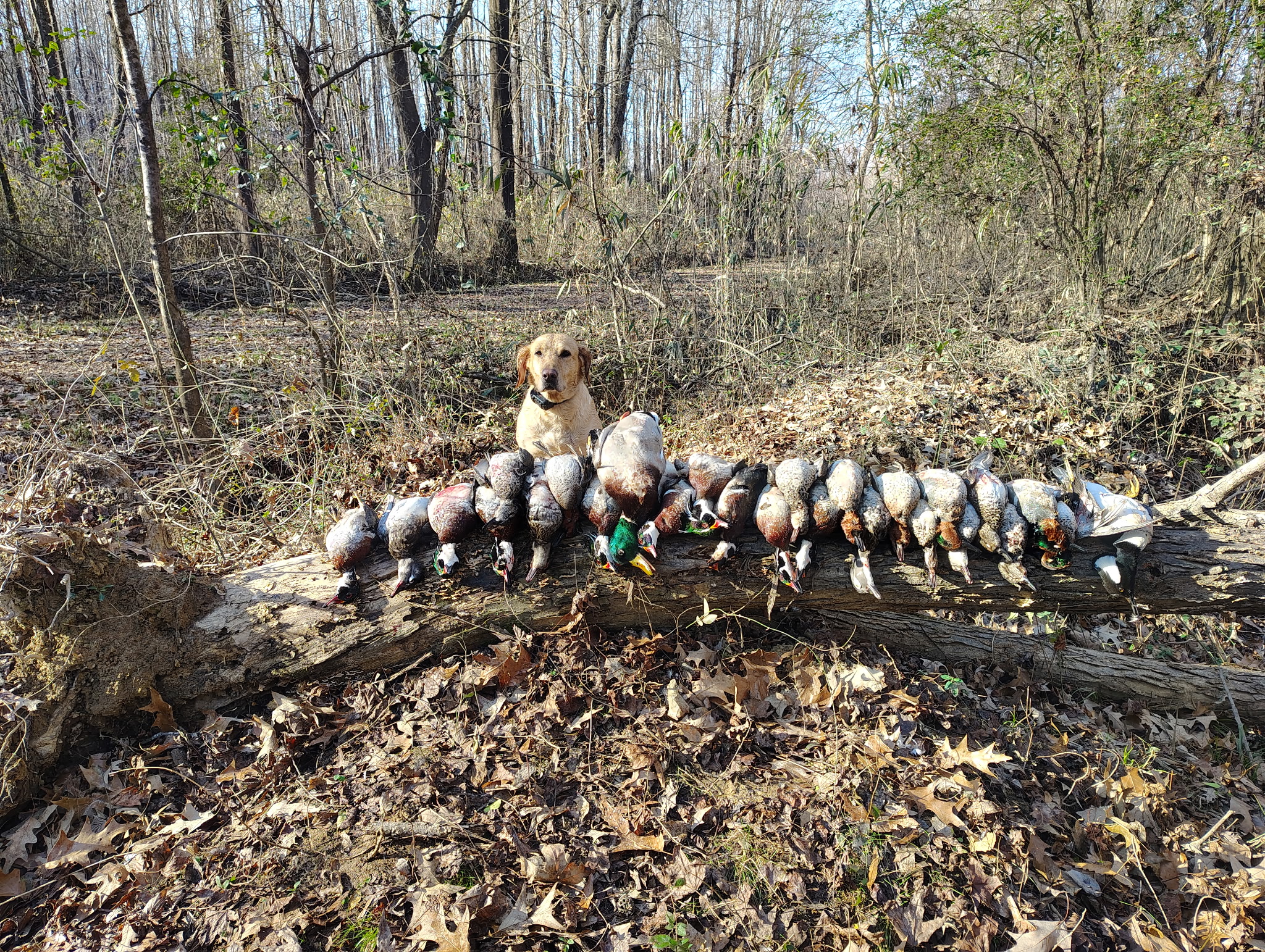
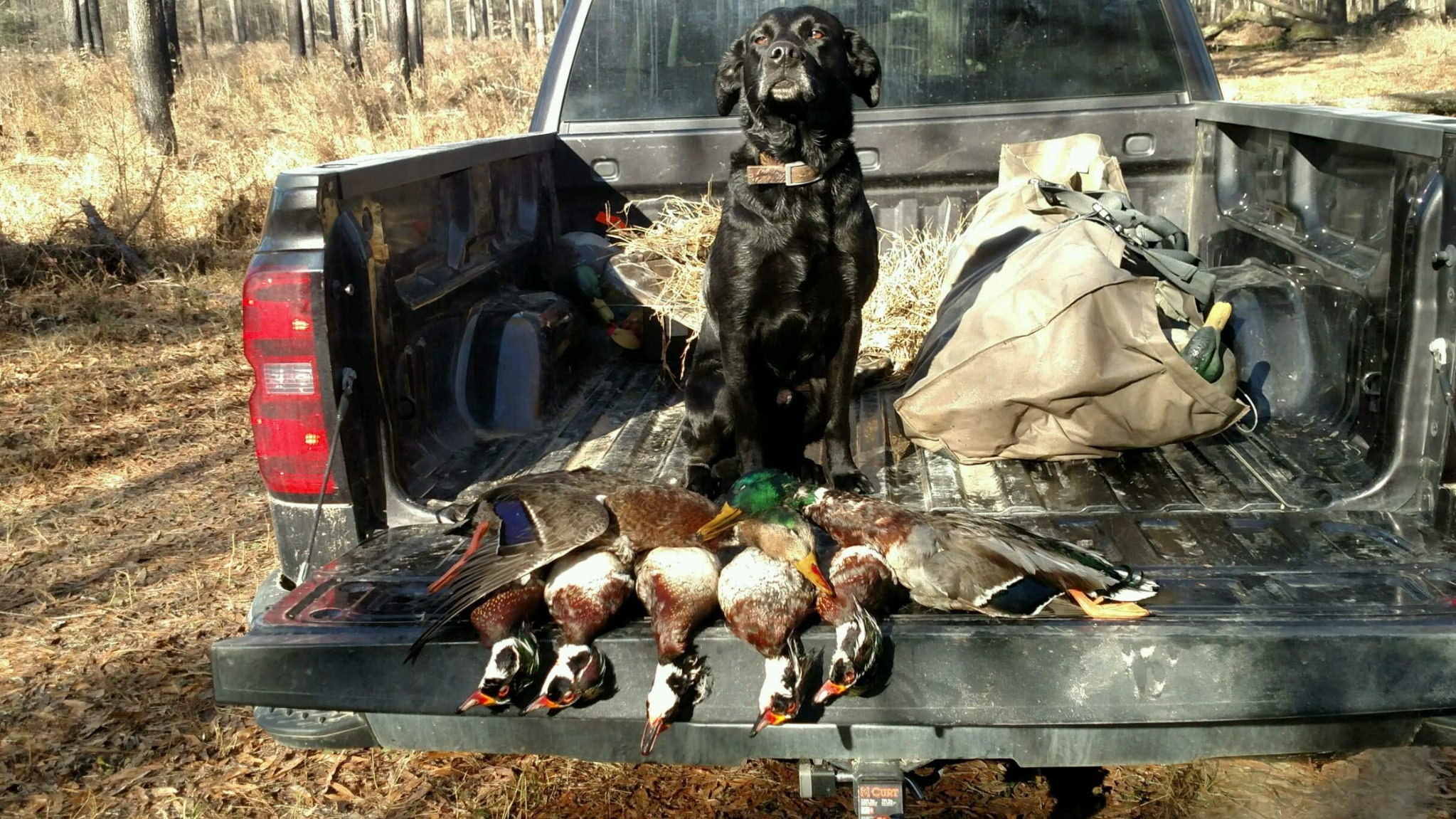
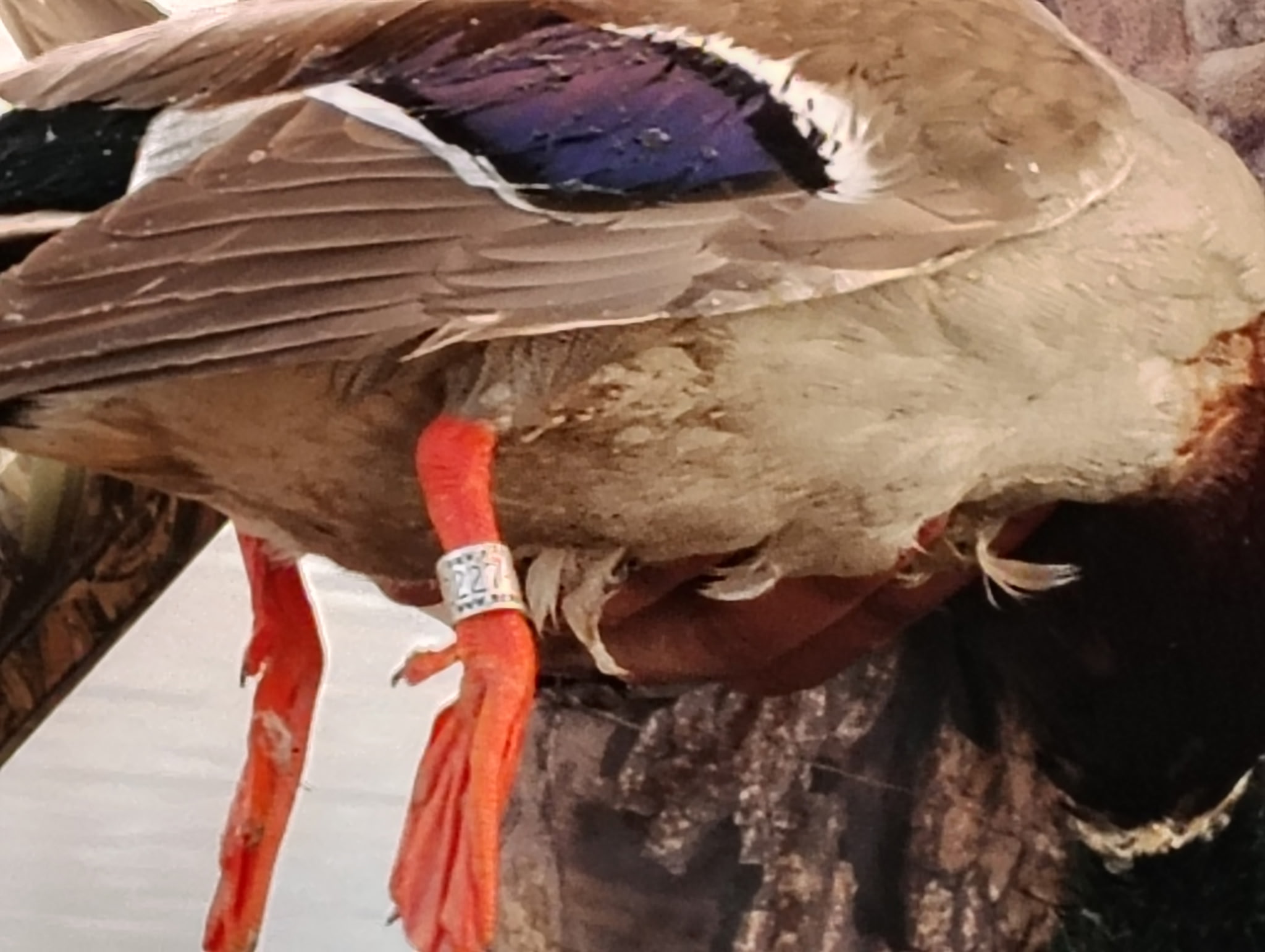 The diversity of species is what ultimately defines the experience here. The owners have harvested up to 11 different duck species in a single hunt — mallards, gadwall, teal, black ducks, pintails, and more.
"The beauty of this place is just the variety of species. At one point we killed 11 different species in one hunt. I would dare say the biggest roost in the central part of South Carolina is right across the dirt road within 600 yards from us — and it is a sight to watch when the ducks are in the area. Ducks coming from 360 degrees and diving straight in. It's amazing." - Landowner, Twin Roads
The property's legacy as a waterfowl destination runs deep. It is believed to be among the first — if not the first — inland impoundments of its kind in South Carolina, and its reputation has only grown.
"It set the bar for the state as far as impoundments go, especially in that Wateree basin." - Landowner, Twin Roads
Beyond the Duck Blind
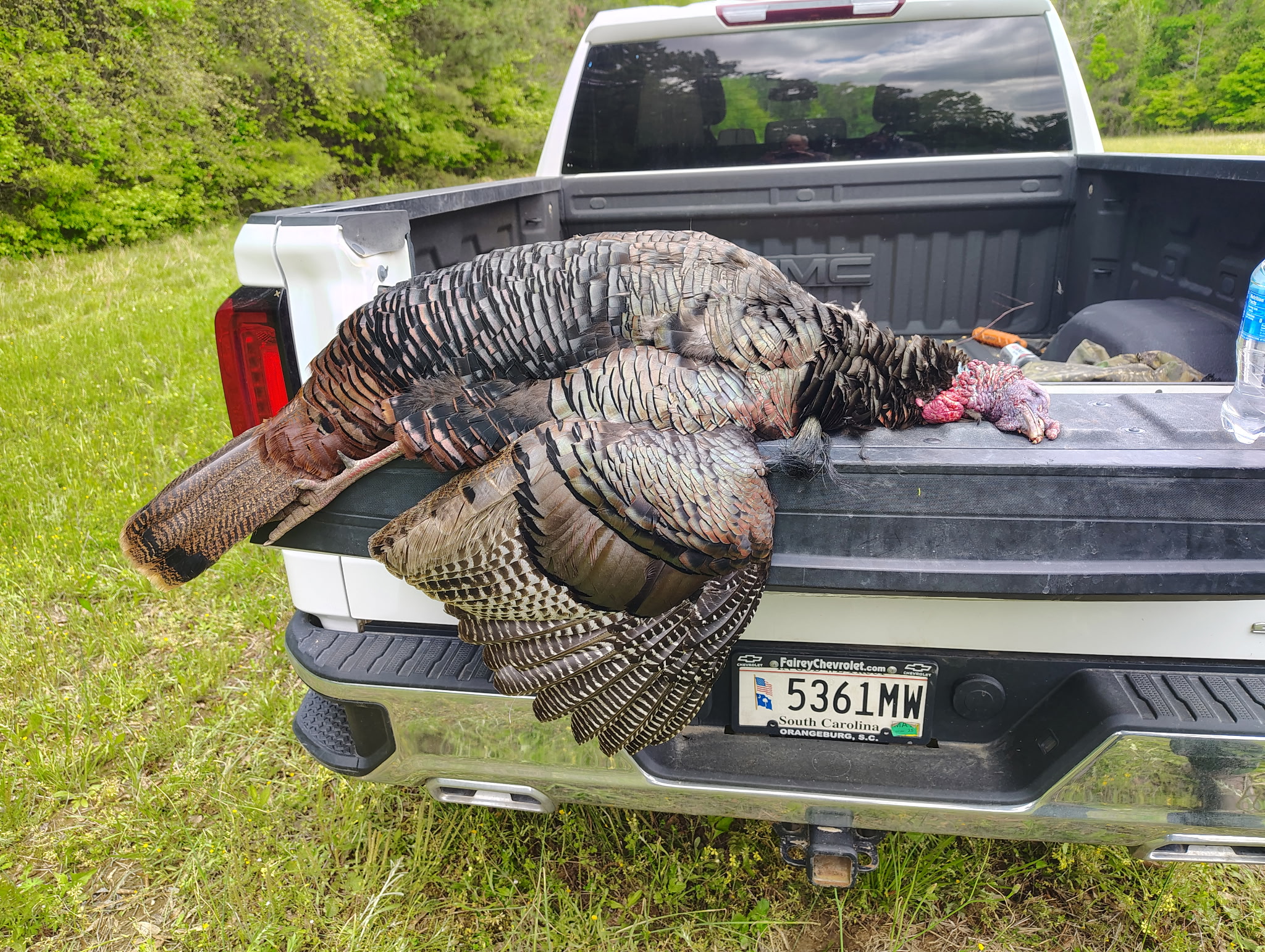
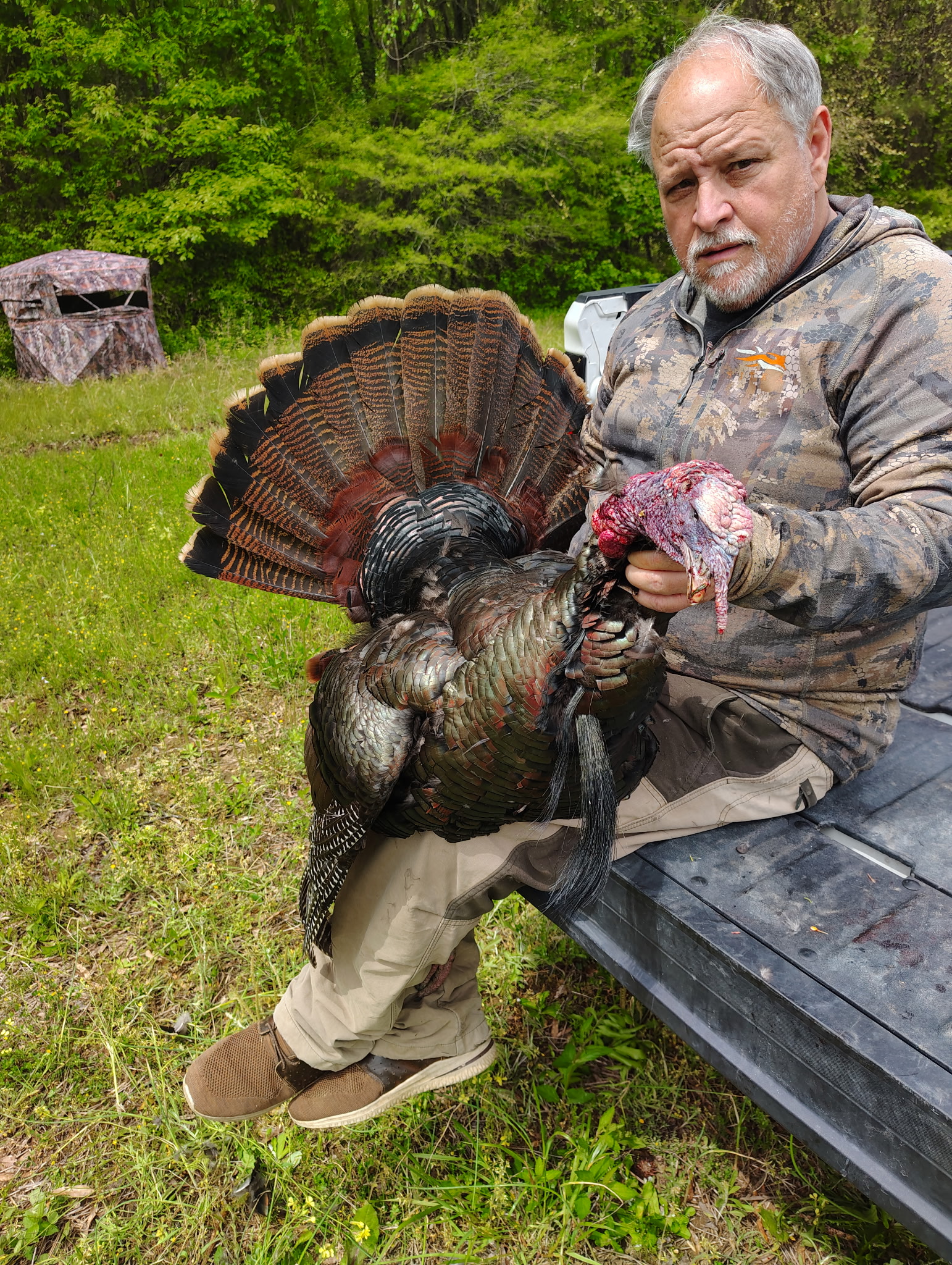
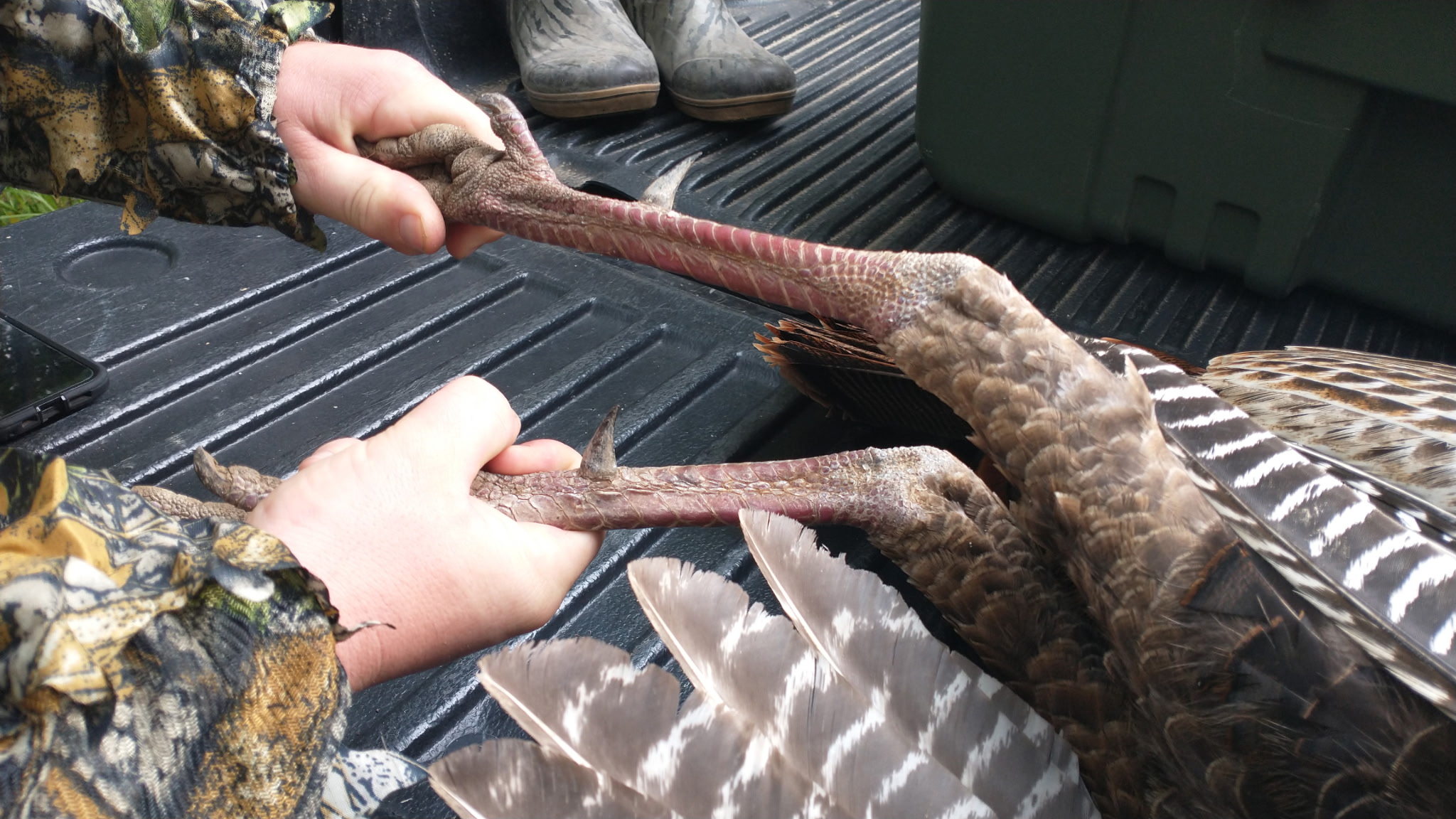
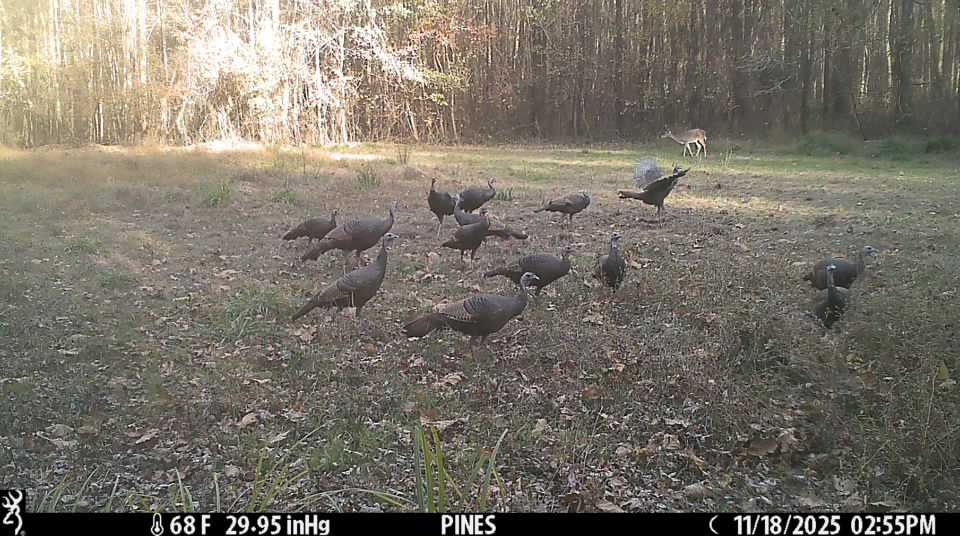
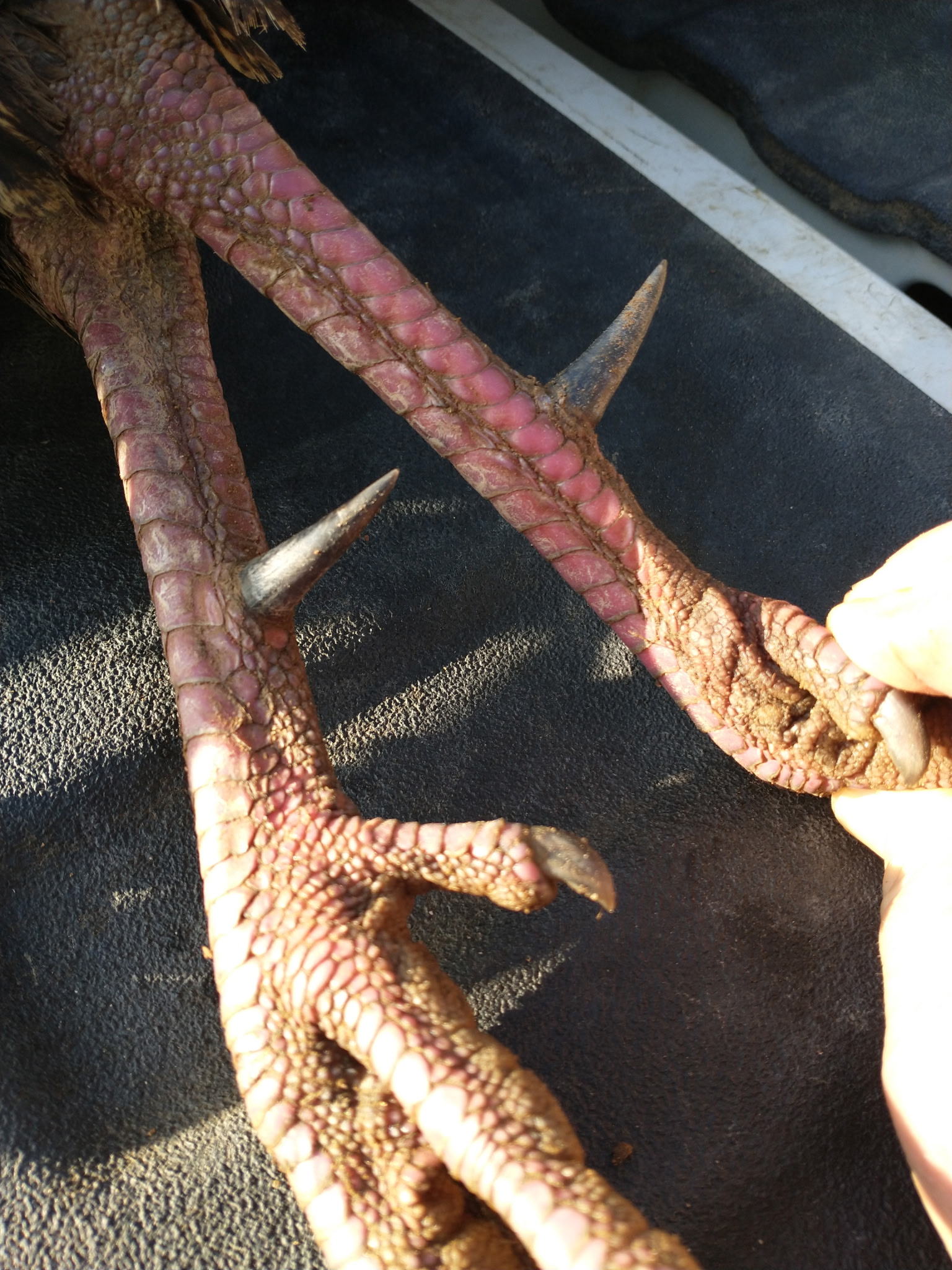
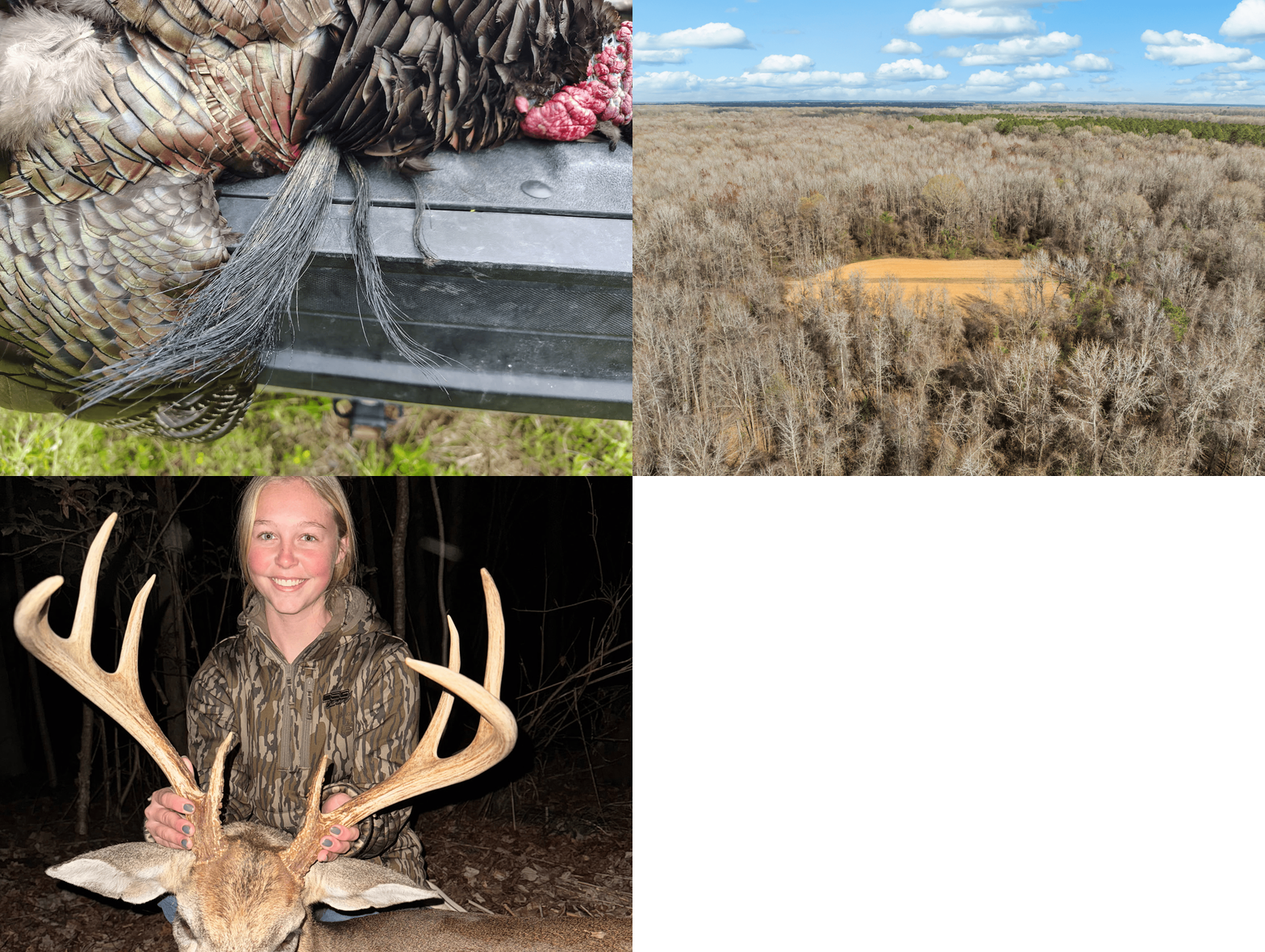 While waterfowl hunting is the centerpiece, Twin Roads offers exceptional recreation year-round. Expansive bottomland hardwoods support world-class turkey hunting — with gobblers so accustomed to careful stewardship that the owners describe encounters that most hunters simply never experience.
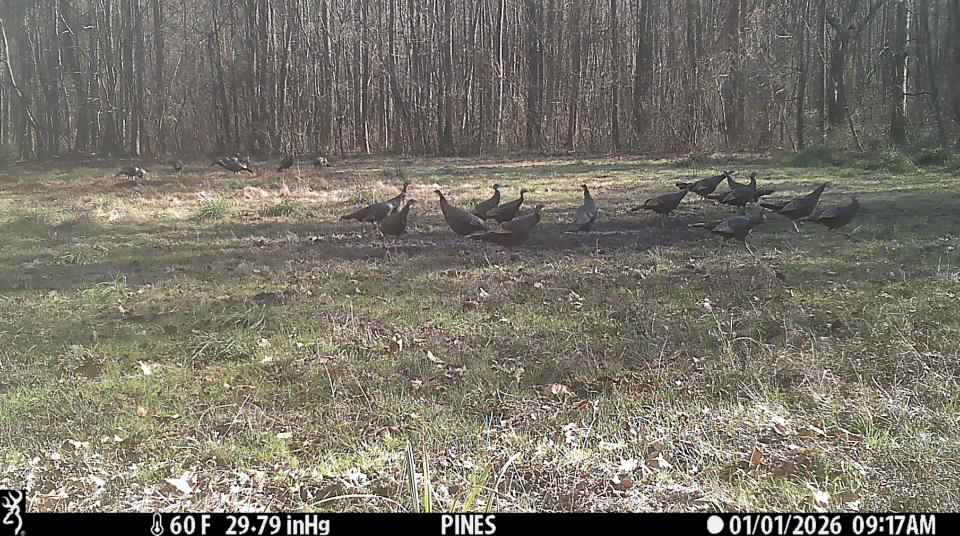
"On one of those perfect spring mornings, you can hear five to ten gobblers. In January and February, from our gate to the back is maybe 700 yards — and on numerous occasions you can see three flocks of 40-plus birds in that drive. Separated. Different flocks." - Landowner, Twin Roads
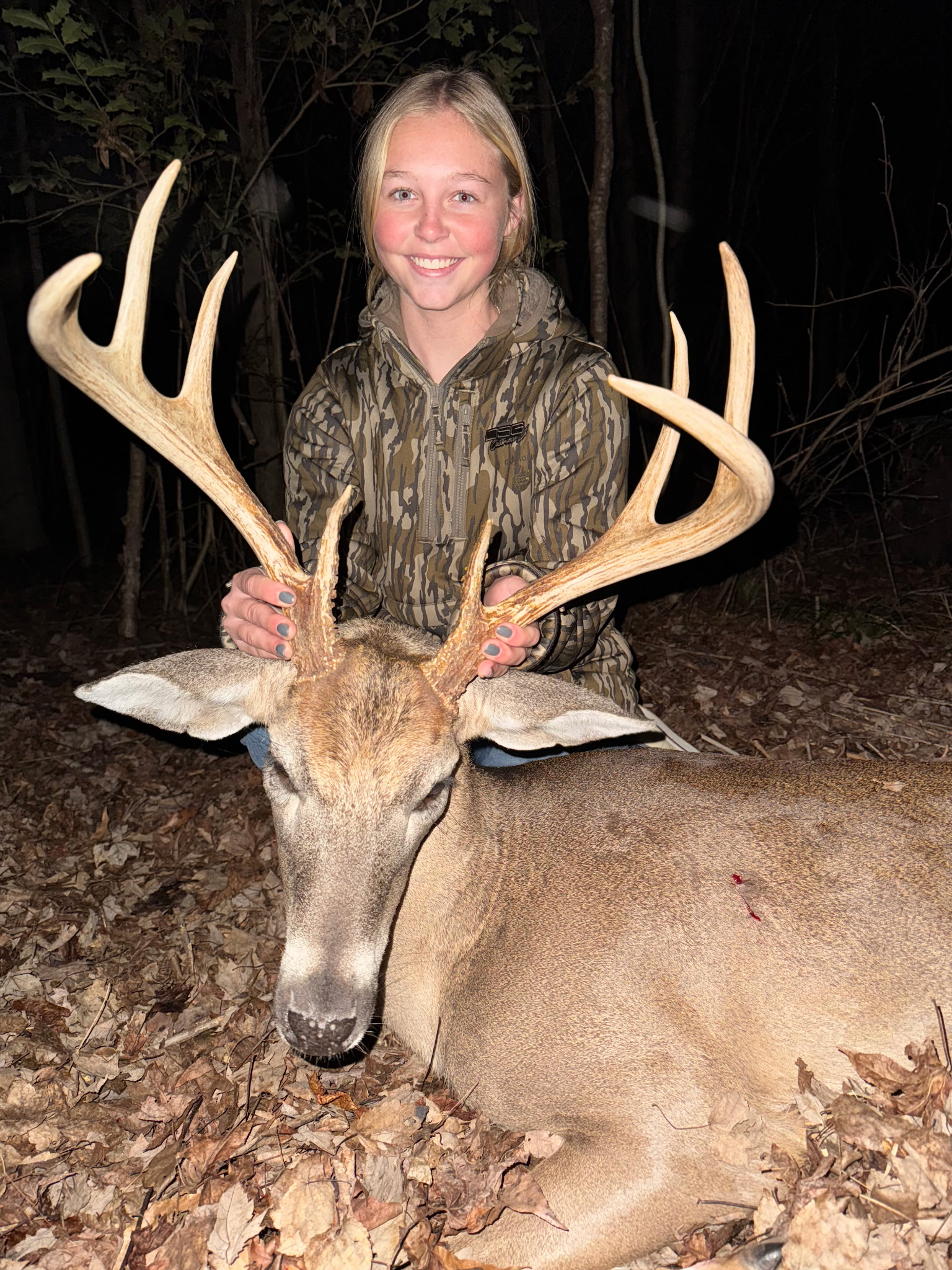
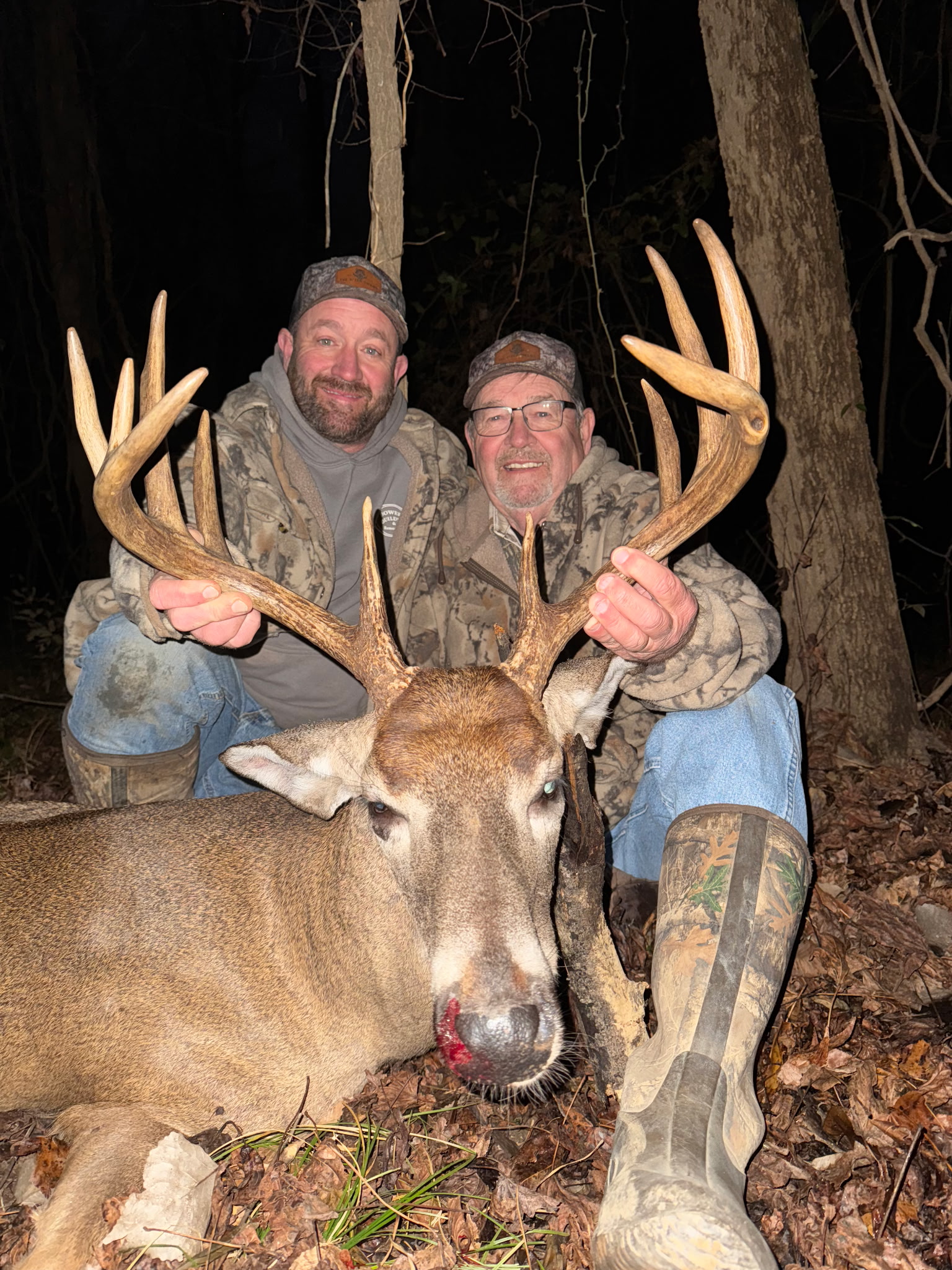
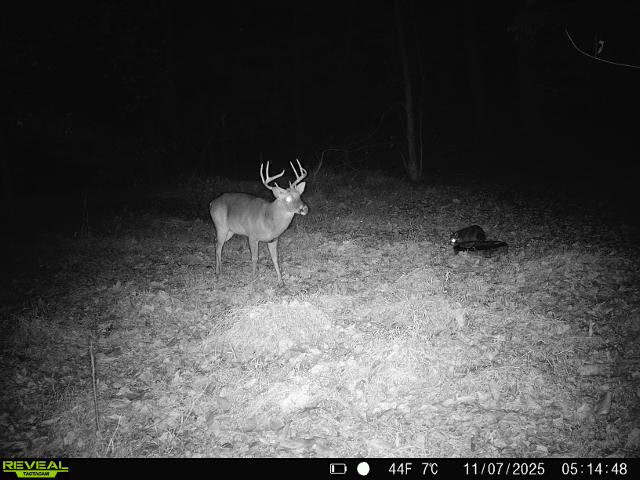
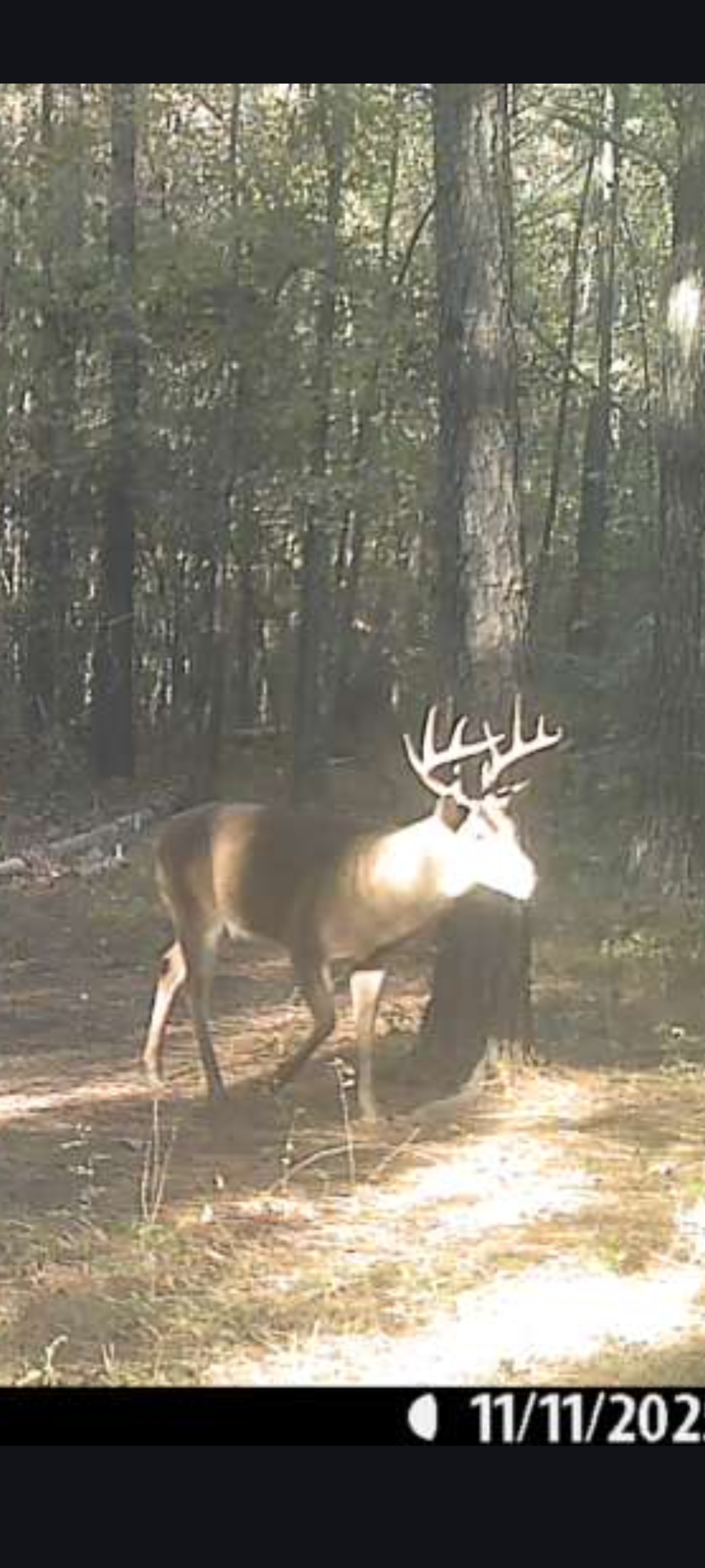
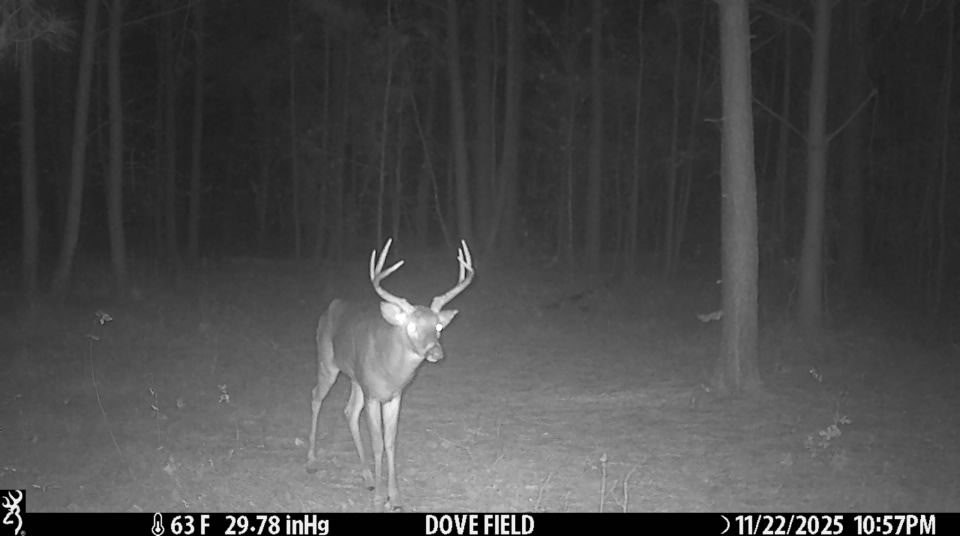
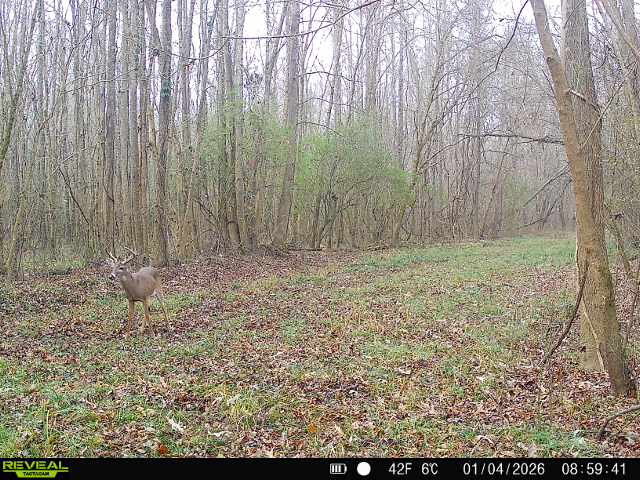
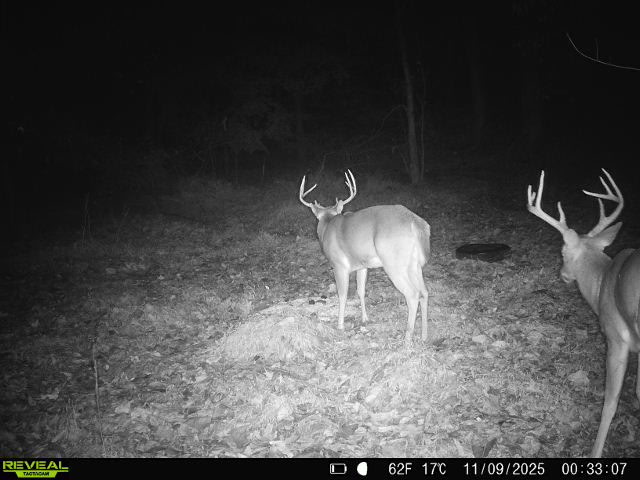
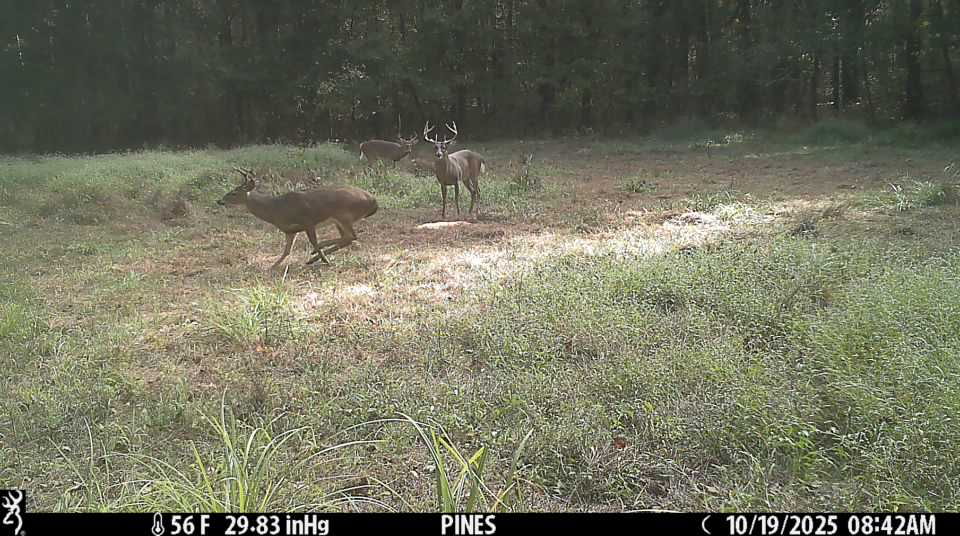
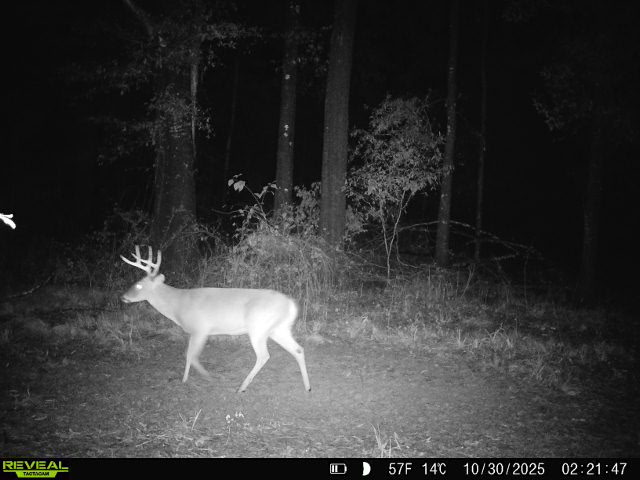
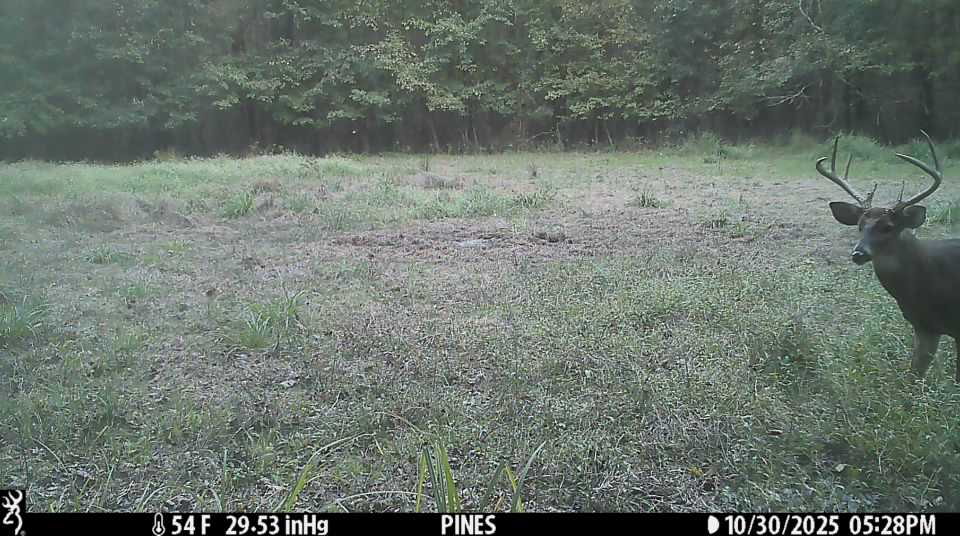
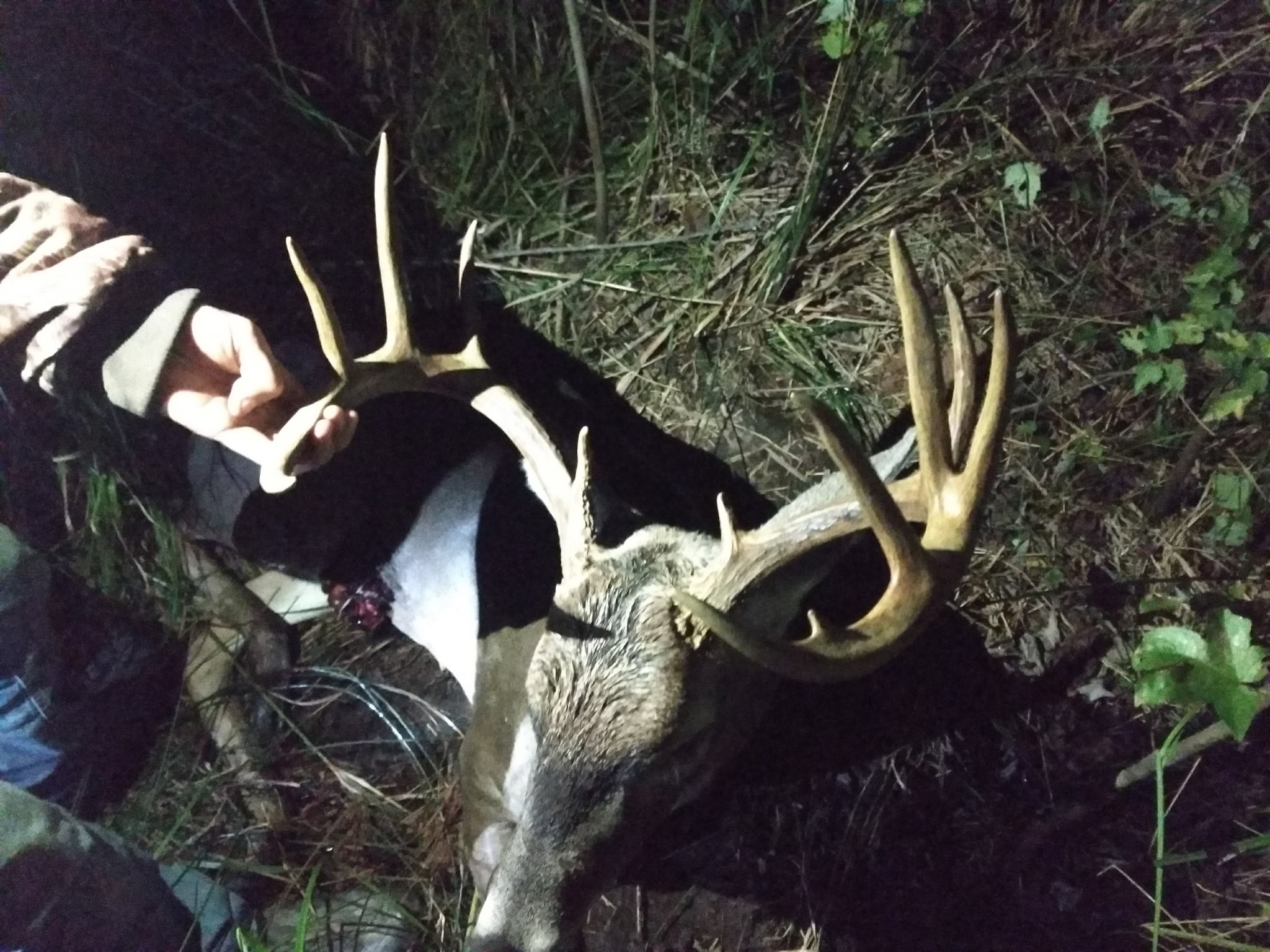
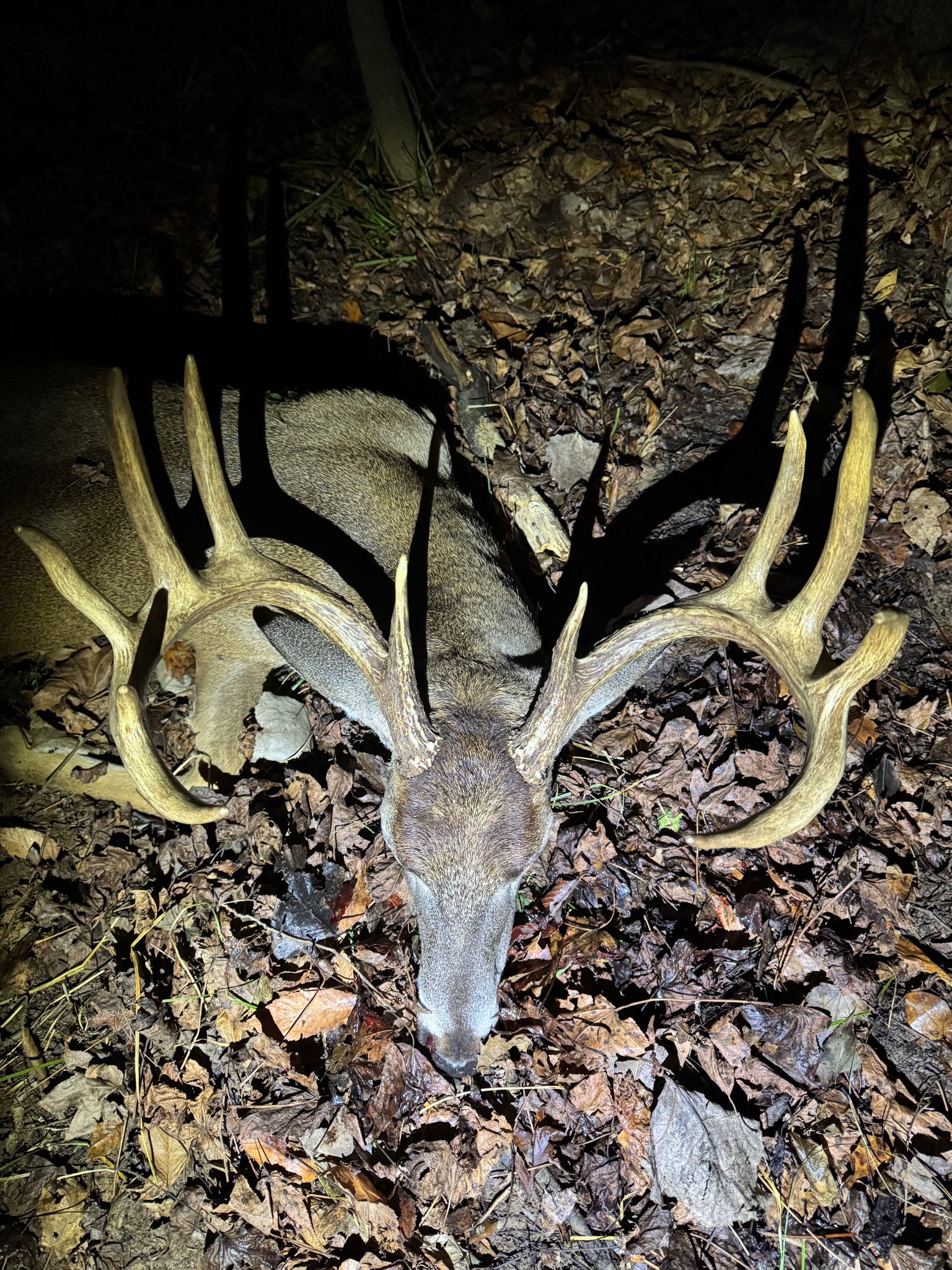
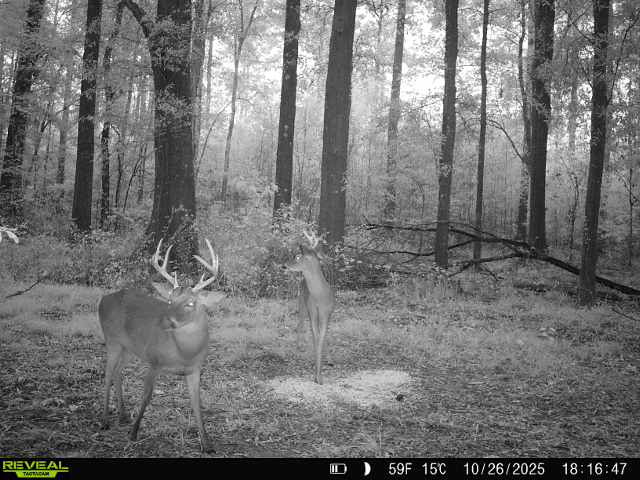
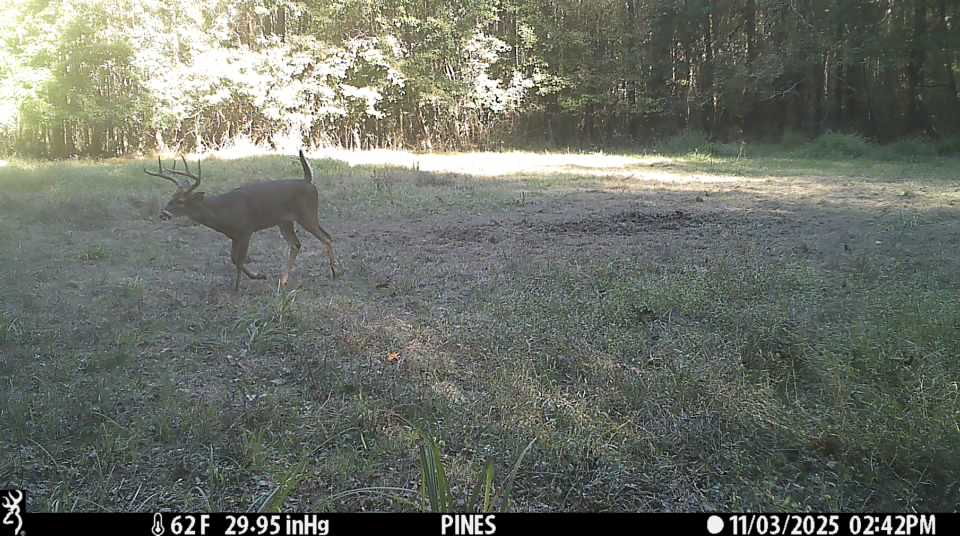
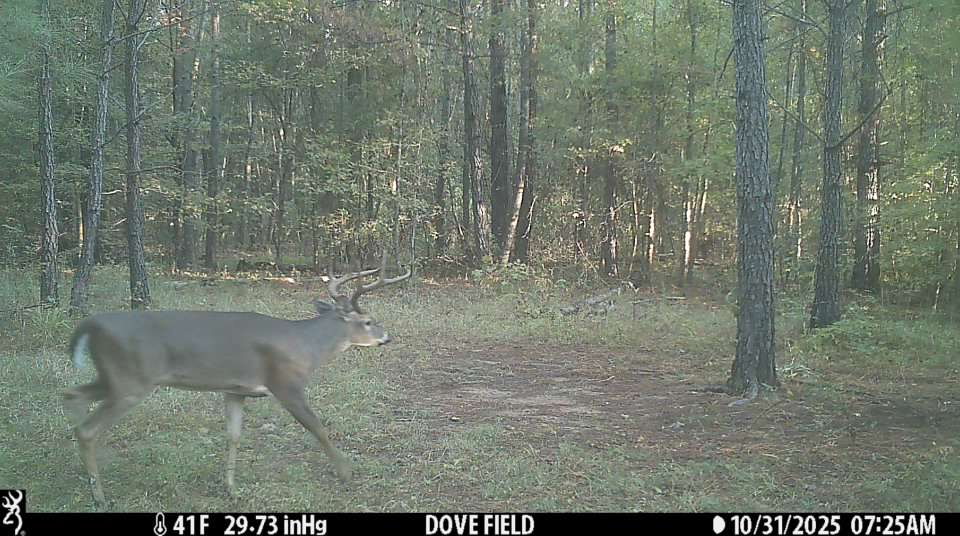
A mix of upland pine and uniformly distributed food plots sustains strong populations of whitetail deer. The area is capable of growing trophy-class animals, with a 152-inch buck being the largest taken by the current owners. Reduced hunting pressure on neighboring tracts in recent years has only accelerated antler development across the corridor.
"A new person bought the property across the road and leased to one guy. The pressure on the deer is minimal — and you can tell it within two years. The antlers are getting bigger, the body sizes are getting bigger." - Landowner, Twin Roads
A centrally located 5± acre dove field provides additional seasonal opportunity and comfortably accommodates social hunts and early-season gatherings.
The Uplands
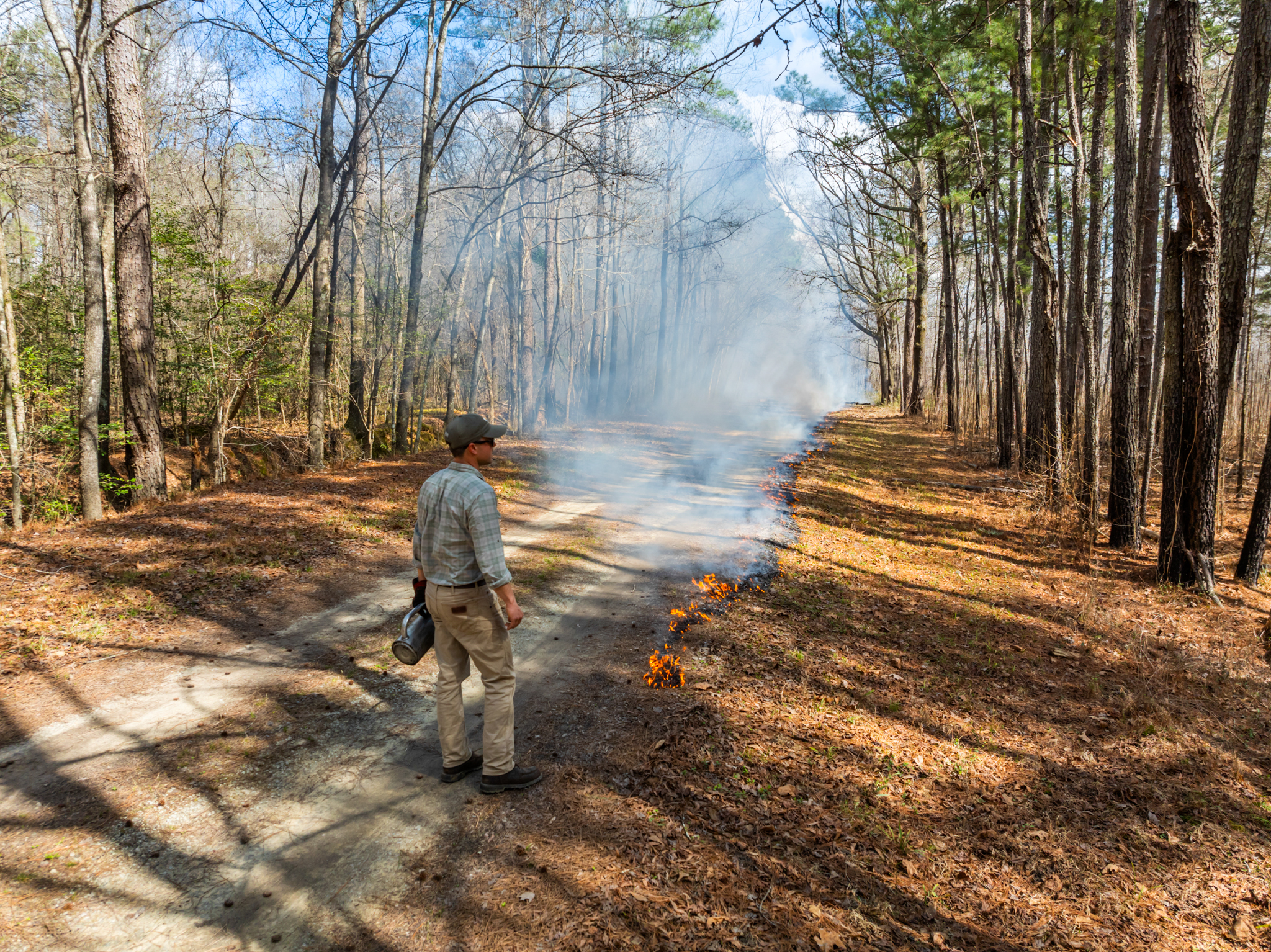
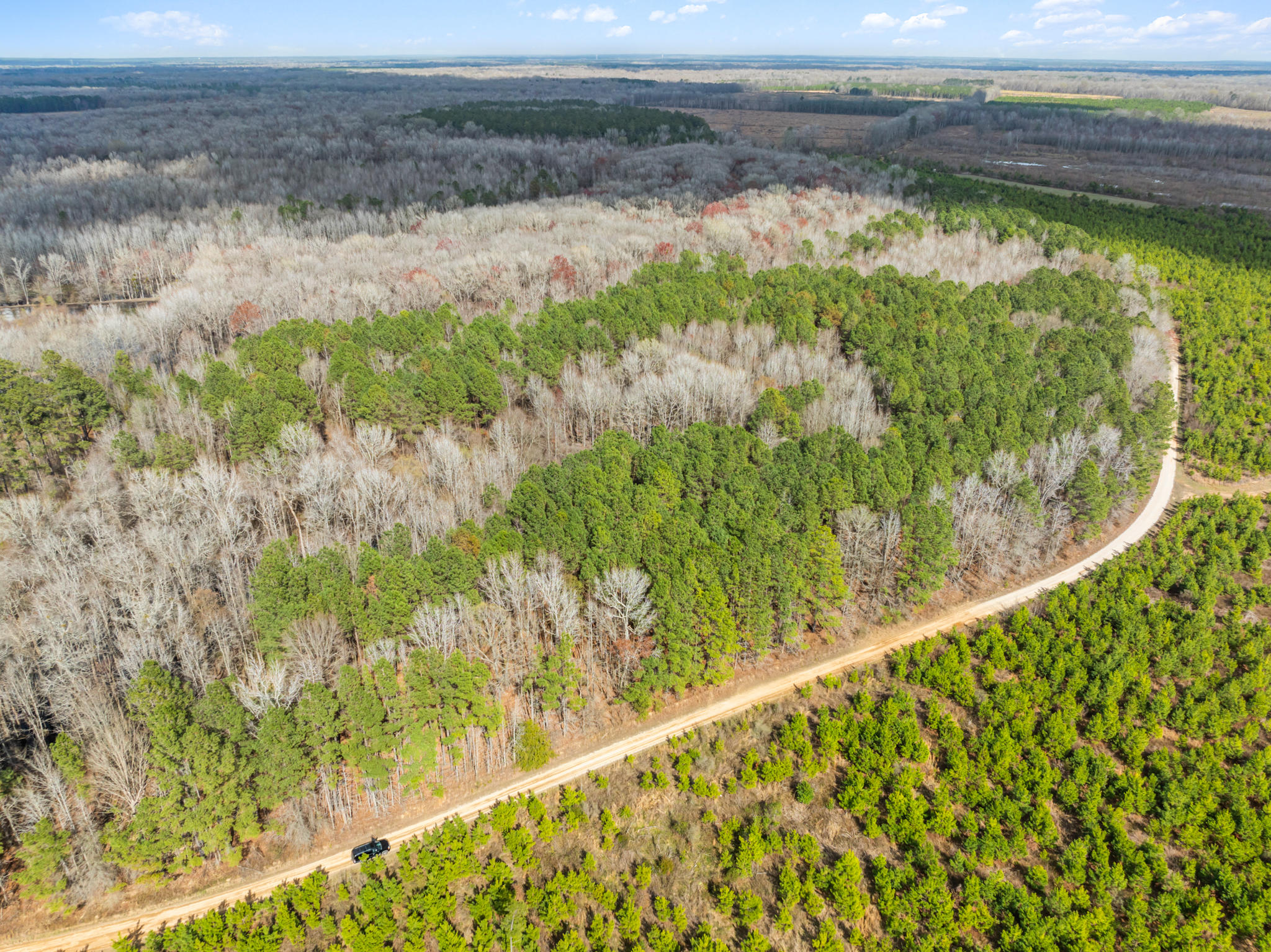
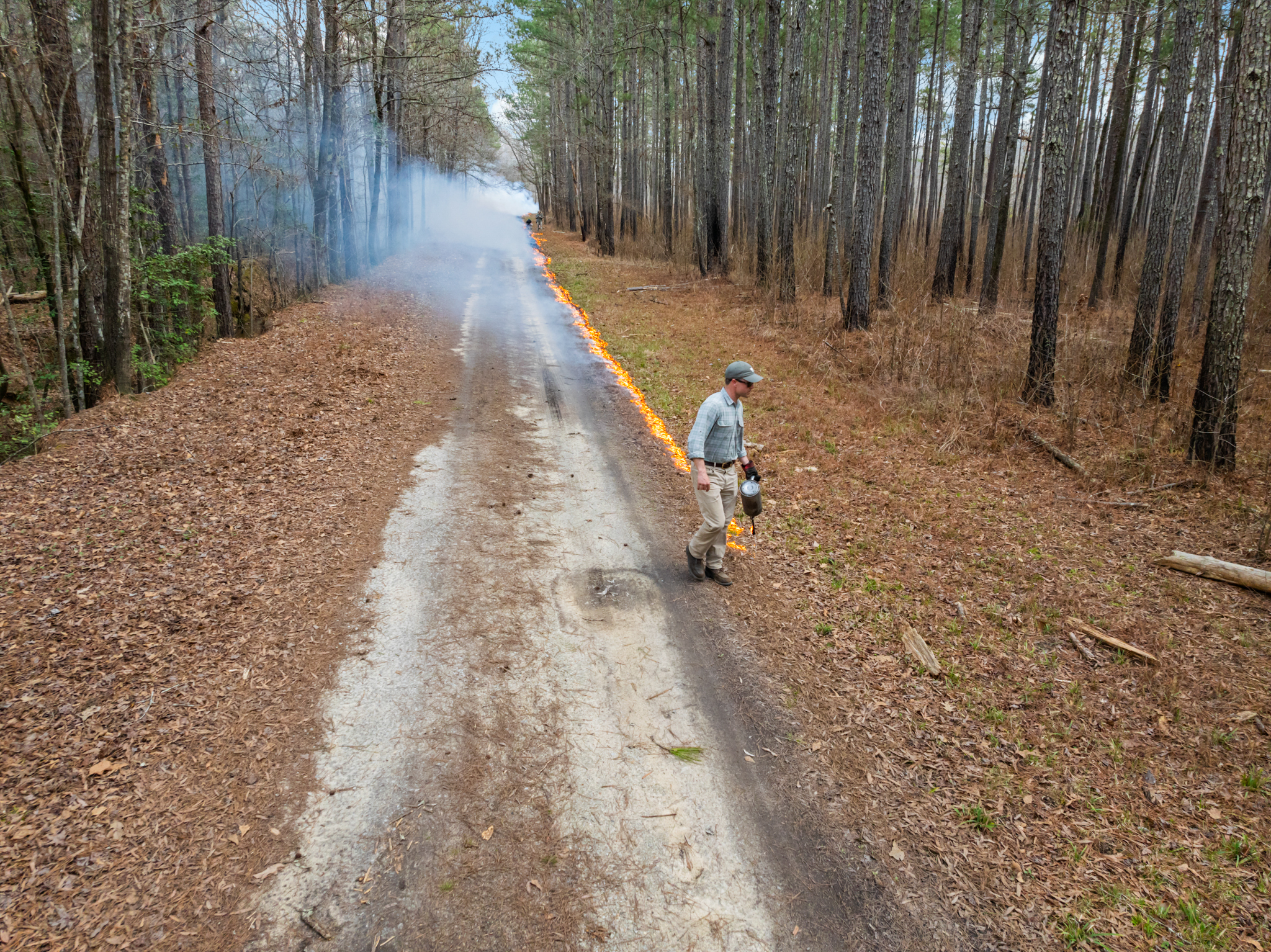
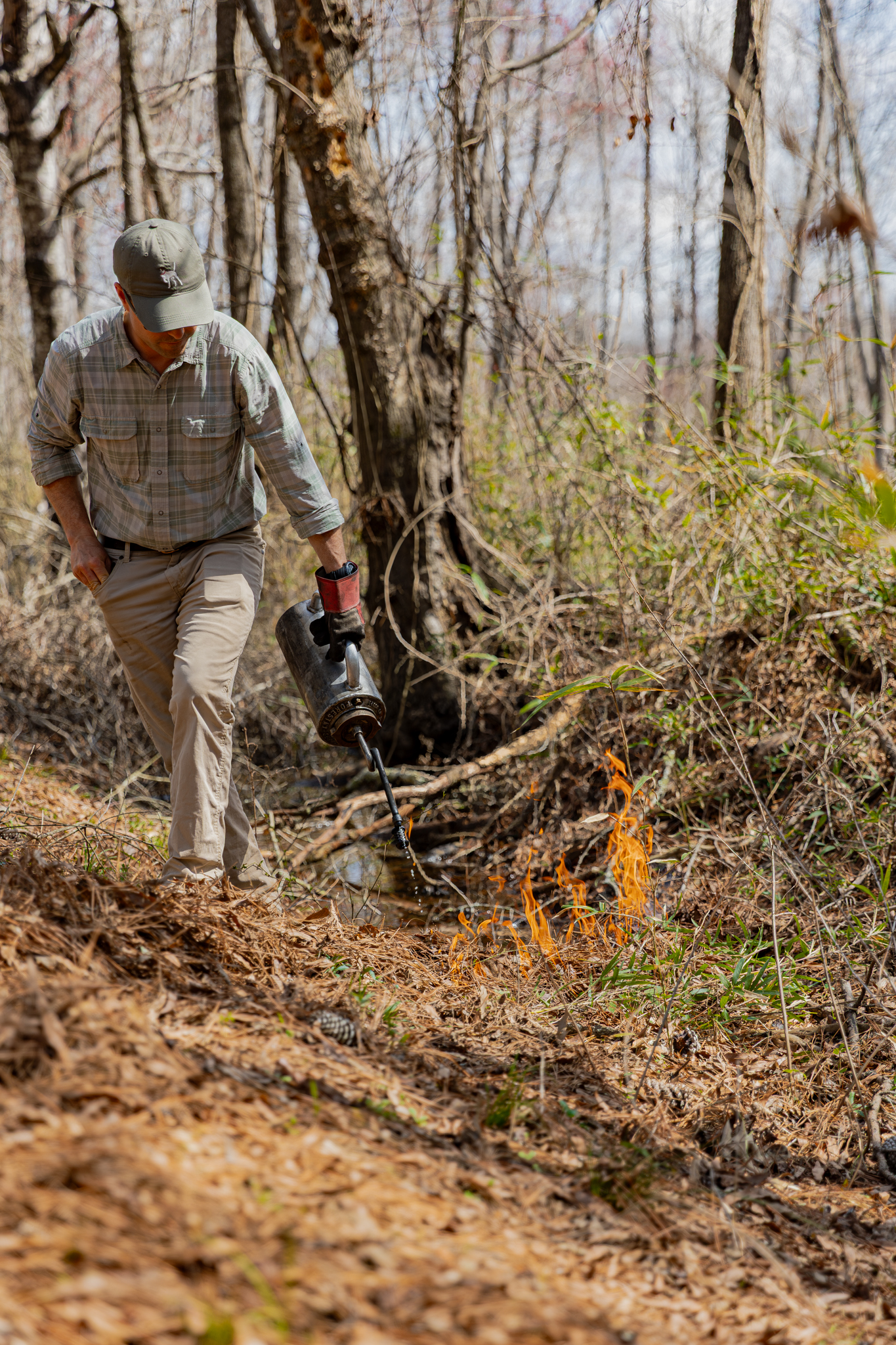
Approximately 100± acres of well-stocked upland pine provide an immediate opportunity for a thinning to create high-quality habitat. With a prescribed fire program and targeted herbicide work, these uplands could be further enhanced to support a quality upland game program, including a release quail operation. The adjacent Bluelands Plantation — meticulously managed for quail, waterfowl, and deer — demonstrates the clear blueprint for what thoughtful stewardship in this corridor can achieve.
The owners see the potential clearly:
"There's 70 acres on there that could be mulched and it could make phenomenal quail habitat — big pines, open understory. That's what I would change. We'd mulch the pine stands, plant broom sage, and quail hunt, even if it was released birds." - Landowner, Twin Roads
Infrastructure and Security
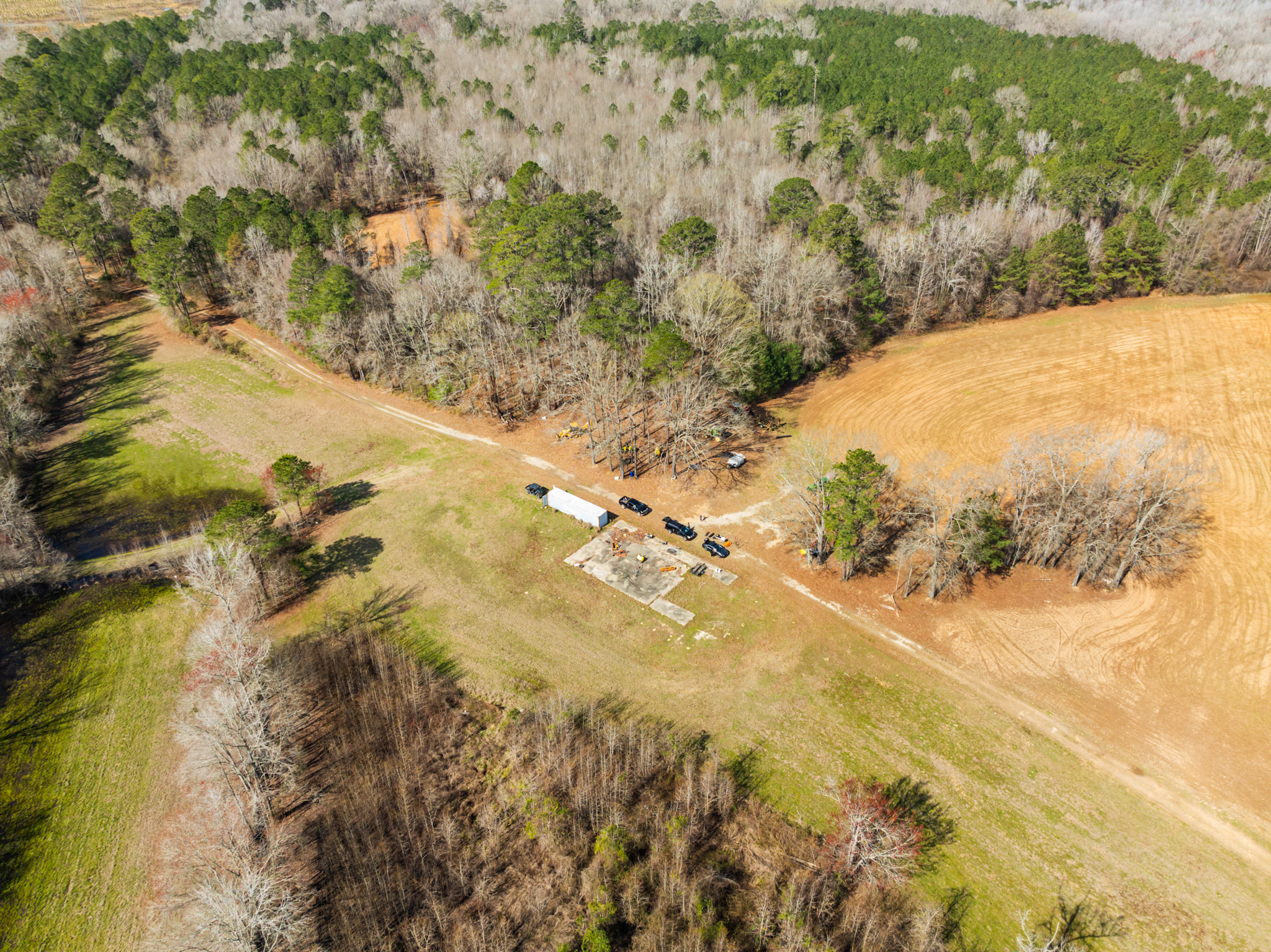
Twin Roads is further enhanced by excellent infrastructure, including a meticulously maintained internal road system with a full perimeter road, flashboard riser water control structures throughout, an existing concrete pad suitable for a shop or equipment building, and a conservation easement that permits a 2± acre cabin or lodge site at the highest point on the property.
Security is exceptional. The property sits within a private, gated community of five landowners — all known to one another, all looking out for each other's land.
"There's five landowners behind a remote control gate at the highway. Everybody looks out for everybody. We all get along well — in fact, we don't even lock our gate because of the security of the remote gate at the highway." - Landowner, Twin Roads
The conservation easement has proven to be a seamless part of ownership rather than a burden:
"We've had no issues whatsoever. The USDA will work with you if you come up with a reasonable plan that benefits the land and the wildlife. They're very open to amending that plan — and they have done it for us on several occasions. If you stay within the parameters and don't do anything stupid, it's been a joy to deal with them actually." - Landowner, Twin Roads
A Place That Changes You
The numbers and habitat features tell a compelling story. But the owners — men who have hunted Argentina, competed in national field trials, and spent a lifetime on exceptional properties — speak about Twin Roads in a different register entirely.
"You can't quantify it. It is a piece of heaven. When you get there and you see that once-in-a-year sunrise coming up over the impoundment and over the trees, and your heart is at ease — it is a special feeling. When you come through that gate, all the world's problems are gone. You take a deep breath, your blood pressure drops, and you just look around. I catch myself multiple times just saying: thank you, God. Thank you, Lord." - Landowner, Twin Roads
"It's made me a better person. It literally has made me a better person. It's made me a better family guy. How blessed are we to have something like this?" - Landowner, Twin Roads
These are not the words of sellers eager to move on. They are the words of stewards passing something sacred to the next family worthy of it.
"Take care of it first — and then enjoy it. Take care of the animals, take care of what God gave us. We've tried to be as good stewards as we could be. We've enjoyed it immensely. It's got to the point where it's time to let somebody else enjoy it." - Landowner, Twin Roads
A Social Storm® Property
Twin Roads qualifies as an exceptional Social Storm® property — combining elite recreational value, passive natural resources, and long-term asset security. A gravity-fed water system that costs nothing to operate, productive timber and agricultural ground, strong privacy and access control, and a permitted home site make this property a natural hedge in any economic environment.
Access
Twin Roads combines privacy with excellent accessibility. The property sits just 30 minutes from Columbia, 13 minutes from Historic Camden, and approximately an hour and a half from Charlotte, North Carolina. This accessibility — combined with a rare combination of expertly designed waterfowl habitat, uncommon South Carolina flooded timber hunting, and exceptional deer and turkey hunting — makes Twin Roads an exceptional candidate for both private ownership and long-term land investment.
This is a rare opportunity to acquire a legacy-quality sporting property in one of South Carolina's most proven and tightly held waterfowl neighborhoods — a place where thoughtful management, natural water, and elite habitat converge.
Offered in its entirety for $6,000,000 or divided; 675-acre portion for $2,025,000.
Broker's Comments

Photo Gallery
Video Gallery
Maps & Location
Twin Roads
- Approximately 30 minutes to Columbia
- 13 minutes to Historic Camden
- 1.5 hours to Charlotte, North Carolina
The Kohler & Associates’
Difference
Didn’t find what you were looking for? Or want to discuss the market with the Leader in this niche?
Contact us to discuss one of our properties, for information on properties that are not yet released to the market or to discuss the market.
 From murky farm ponds to pristine glacier-cut lakes and everything in between, Knox Daniels’ expertise stems from a lifelong fascination of water and the creatures that live in and around it. He recognizes and helps clients appreciate the value water features bring to a property. “My goal is to help buyers realize and sellers maximize the value different water bodies bring to a property, not only in a recreational sense, but also for social storm reasons.” After extensively traveling the country for collegiate BASS fishing tournaments, Knox graduated and worked for the Southeast’s finest fisheries and wildlife biologist, Greg Grimes. With Grimes’ company, AES, Knox managed many of the southeast’s finest private lake estate/impoundment properties, and learned the intricacies of upscale property management. Learning from Greg and other biologists, Knox honed in on the specific conditions and habitat needed for optimal gamefish growth in private lakes. He has also worked as a property manager on several thousand acres and for a commercial developer, facilitating the dirt work and builds of several apartment complexes, but his true passion has always been in the outdoors. “I’ve always had an insatiable fascination with ponds/lakes and am grateful to be able to help to place clients on the properties of their dreams and make their personal fisheries/wildlife goals reality with JKA.” – Knox Daniels
 Jason has been assisting landowners for the last 28 years in Georgia and South Carolina obtain achievements the owners did not realize were possible. His degree in Biology from Georgia Southern stemmed from the desire to know how things in nature work. His plantation roots began at just 16 years old outside of Albany, GA and the last 20 years were spent in the Lowcountry of South Carolina. His entire career has been spent developing a global approach to plantation management. That plan included sales. Sales is in Jason’s blood- his mom had a 45-year career as a real estate broker. After college, he chose to pursue his passion of making properties great. In 2011, Jason sold his first plantation. Since then, he has assisted buyers and sellers with over $20 million in sales while most of that time working as a full-time General Manager of a large Lowcountry plantation. Today, he is committed to using his unique skill set and experience to guide landowners through the many challenges of plantation ownership.
 Bruce Ratliff is a retired elected official (Property Appraiser Taylor County). Bruce brings years of experience in ad valorem tax knowledge. His property tax background gives JKA Associates & clients a unique insight into the complicated tax process. Bruce held several positions in the Florida Association of Property Appraisers, including member of the Board of Directors, President, Vice-President and Secretary, and served on the Agricultural & Legislative Committees for the Association. The real estate business has been part of Bruce’s life since childhood. His mother, Shirley Ratliff owned Professional Realty of Perry, Florida and his father, Buster owned Ratliff Land Surveying which Bruce was General Manager of before his political career.
 Hailing from a long line of outdoorsmen, Tim learned a great deal from his father and grandfather. He saw first-hand what it means to be a good land steward. He believes land is so much more than a place to hunt, fish, and grow timber or crops. “It’s an identity, a resting place, a safe haven and a way of life, said Tim.” Tim’s family ties to Alabama run deep. During his grandfather’s first term, Governor James was responsible for signing into law Alabama’s first state duck stamp which helped to ensure funding for the procurement, development, and preservation of wetlands for migratory waterfowl habitat. He also established Alabama’s lifetime hunting license, so it is no surprise that Tim is an avid outdoorsman with a keen eye as to how best to improve habitat for the greater good of its wildlife.
 With Madison County roots, Lori grew up on her family farm at Pettis Springs along the historic Aucilla River. A love of the land was instilled in Lori very early on by her father who was a local farmer. Lori understands the importance of good land stewardship and has witnessed first-hand how her own father, a former 2-term member of the Florida House of Representatives whose district encompassed many rural counties of the Red Hills Plantation Region, with a little bit of sweat equity, so lovingly worked their own family land. These are core values she carries with her today, and nothing gives her more personal satisfaction than to represent some of the south’s best land stewards.
 Cole’s dedication to land management lies in his family roots. As a fourth-generation timber expert, Cole’s earliest memories were spent with his father managing timber investments. With a degree in Food Resource Economics from the University of Florida, Cole is the epitome of an up-and-coming leader. He grew up with a hands-on approach to learning land management and conservation and has spent the last 15 years learning every angle of the real estate and forest industry. Cole is a member of the Florida Forestry Association, Red Hills Quail Forever, Southeastern Wood Producers Association and he uses this platform as an advocate for landowners and their land investments. His family has dedicated the past 60 years to providing landowners in North Florida and South Georgia with professional land management services focused on improving and protecting one’s forestland and wildlife investment. In fact, their family business, M.A. Rigoni, Inc., was one of the first to introduce whole tree chipping to the Red Hills Region.
 As a landowner of his own family farm, Lick Skillet, along with family land that has been passed down and enjoyed together at Keaton Beach for 40 years, Jon knows what it means to be a steward of the last best places. As a third-generation land broker with more than 30 years of experience in advising landowners in this niche, Jon is known for his innate ability to harvest a land’s unique intrinsic value. Touting several notable sales under his belt, Jon personally closed Rock Creek/Molpus – 124,000 acres of premium timberland at $142,000,000 – which was known as the largest timberland land sale in the Southeast for eight years running. He is a co-founding member of LandLeader and achieved the real estate industry’s highest honor, “2022 National Broker of the Year – Recreational Land Sales,” by the Realtors® Land Institute.